Royal Enfield Himalayan 750: Five Things to Know About the Upcoming Adventure Bike
Royal Enfield is preparing to introduce the Himalayan 750, a new adventure touring motorcycle expected to become the largest-capacity model in the Himalayan range. The company has released a teaser pointing towards a global reveal at EICMA 2026 in Milan, Italy. The event is scheduled to take place from November 3 to November 8.
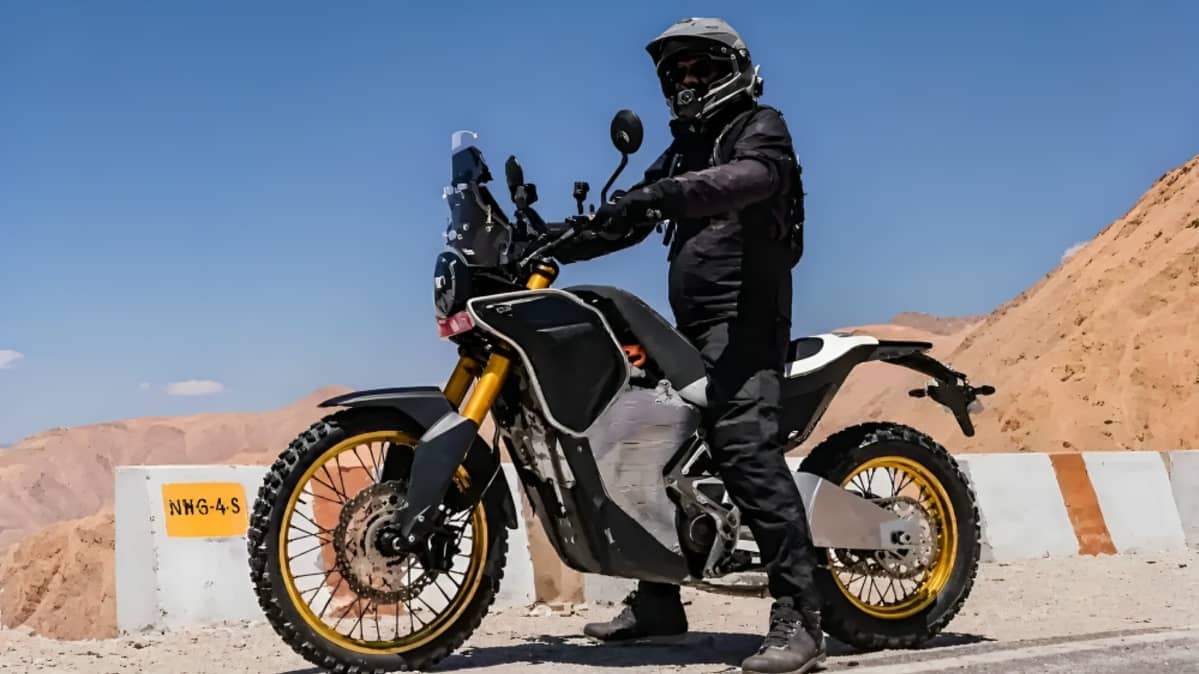
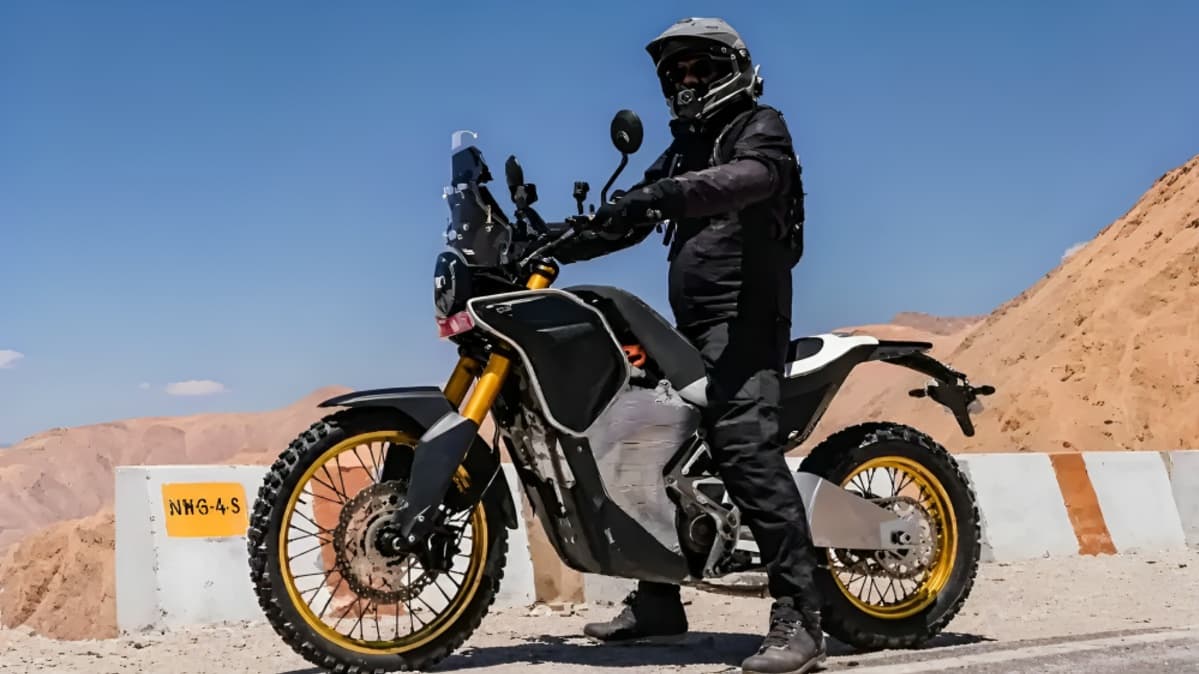
The upcoming motorcycle has already been displayed in near-production form at Royal Enfield's Himalayan Basecamp event in Ladakh. Although the manufacturer has not yet announced the complete specifications, the available details suggest that the Himalayan 750 will combine stronger highway performance with touring equipment and off-road capability. Here are five important things to know about the upcoming motorcycle.
1. New 750cc Parallel-Twin Engine
The Himalayan 750 is expected to use a parallel-twin engine with a displacement close to 750cc. It will sit above the existing Himalayan 450 and could become one of Royal Enfield's most significant additions to its adventure touring portfolio.
The new engine is expected to draw on the architecture of the company's existing 650cc twin-cylinder platform, although the final engine design and technical details have not been officially confirmed. Reports suggest that the larger engine could produce approximately 50 to 55 bhp, with torque expected to be in the region of 60 to 65 Nm.
These figures remain estimates rather than confirmed specifications. The final power output, torque, engine capacity and tuning details will become clearer when Royal Enfield reveals the production motorcycle.
A six-speed gearbox is also expected. The larger engine could make the motorcycle better suited to highway cruising, overtaking and carrying luggage on long-distance trips. However, its real-world performance, fuel economy and touring comfort will need to be assessed after the final model becomes available.
2. Upgraded Suspension and Braking Hardware
The Himalayan 750 is expected to feature a dedicated chassis and a revised suspension setup designed for a larger adventure touring motorcycle. The prototypes shown so far feature an inverted front fork and a rear monoshock.
The suspension units are expected to offer adjustment options, including preload adjustment. Such settings can help riders adapt the motorcycle to different loads and riding conditions, although the final adjustment range and equipment may vary by variant.
Braking hardware is expected to include twin disc brakes at the front and a single disc at the rear. This setup should provide the braking capacity required for a heavier, more powerful motorcycle intended for highway use and adventure touring.
The motorcycle has also been seen with components designed to withstand demanding riding conditions. The final production specifications will determine the exact suspension travel, ground clearance, wheelbase and braking system details.
These hardware upgrades could help Royal Enfield position the Himalayan 750 as a more capable long-distance motorcycle while retaining the versatility associated with the Himalayan name.
3. Cruise Control and Modern Rider Assistance Features
One of the expected highlights of the Himalayan 750 is its technology package. The motorcycle is anticipated to offer cruise control, traction control and riding modes, features that could improve convenience and control during different riding situations.
Cruise control can help maintain a selected speed on suitable roads, reducing the need to hold the throttle continuously during long highway journeys. Traction control can help manage rear-wheel slip in certain conditions, depending on the system's calibration and operating mode.
A round TFT instrument display with smartphone connectivity is also expected. Such a display could provide navigation-related information and other riding data, although the final software functions have not yet been confirmed.
These features would represent a significant step for Royal Enfield's Himalayan lineup. However, the exact electronic systems, available riding modes and whether particular features will be standard or variant-specific remain unconfirmed. Buyers should wait for the official specification sheet before making assumptions about the equipment.
4. Wheel Options and Adventure Touring Design
The Himalayan 750 has been spotted with alloy wheels as well as tubeless-compatible spoke wheels. This suggests that Royal Enfield could offer different wheel configurations, either through separate variants or optional equipment. The company has not yet confirmed its final variant strategy.
One notable difference is the expected 19-inch front wheel, compared with the 21-inch front wheel used on the Himalayan 450. A 19-inch front wheel can support a more road-oriented balance, making the motorcycle suitable for riders who spend significant time on highways and paved routes while still wanting the ability to explore less demanding trails.
The rear wheel is expected to measure 17 inches. The final tyre specifications and availability of wheel options will need confirmation from the manufacturer.
The motorcycle has also appeared in several colours during recent sightings, including red, white and grey or silver shades. These may indicate the colours planned for production, but the official colour range has not yet been announced.
Overall, the design and hardware suggest a balance between road touring and moderate off-road use. The final model will reveal how Royal Enfield intends to balance those two priorities.
5. Expected Price and India Launch Timeline
Royal Enfield has not officially announced the Himalayan 750's price or its confirmed India launch date. Current industry estimates place its expected ex-showroom price at around Rs 4 lakh to Rs 5 lakh, depending on the final variant and equipment package. This should be treated as an indicative estimate rather than a confirmed price.
The company has teased the motorcycle ahead of its expected global debut at EICMA 2026 in Milan, scheduled for November 3 to November 8. The event is expected to provide clearer information about the production model, its specifications and its equipment.
The India launch timeline remains uncertain. Some reports have pointed towards a launch around late 2026, while others expect the motorcycle to reach the market in early 2027. Until Royal Enfield makes a formal announcement, neither timeline should be considered confirmed.
The Himalayan 750 is expected to occupy a higher position than the Himalayan 450 in the company's adventure motorcycle range. Its final price will influence how it competes with other middleweight adventure touring motorcycles available in India.
What to Expect From the Himalayan 750
The Himalayan 750 could appeal to riders looking for a twin-cylinder motorcycle for long-distance travel, highway touring and occasional off-road exploration. Its larger engine, expected rider aids and adjustable suspension could make it a substantial step up from the Himalayan 450.
However, important details remain unknown, including the final engine output, kerb weight, fuel tank capacity, seat height, mileage, variant structure and standard equipment. These factors will be essential for evaluating the motorcycle's everyday usability and touring ability.
The official reveal should help answer these questions and establish whether the Himalayan 750 will be offered in road-focused and off-road-oriented versions.
Conclusion
The Royal Enfield Himalayan 750 is shaping up to be an important addition to the company's adventure touring range. Its expected 750cc parallel-twin engine, modern rider assistance features, adjustable suspension and revised wheel setup suggest a stronger focus on long-distance touring.
With its global debut expected at EICMA 2026, more information should emerge in the coming weeks. Until Royal Enfield confirms the price, specifications and India launch date, all unannounced details should be treated as estimates rather than final production information.