
BMW is preparing to introduce the facelifted versions of its flagship 7 Series luxury sedan and the fully electric i7 in India on September 11, 2026. The upcoming models are expected to bring a combination of revised styling, upgraded technology, a redesigned cabin and updated powertrain options.
The 7 Series and i7 are among BMW’s most important luxury models globally. The facelift is intended to keep the flagship sedan competitive in an increasingly technology-focused premium car market. BMW has already unveiled the updated versions internationally, while the India launch will provide details about the variants and specifications planned for the local market.
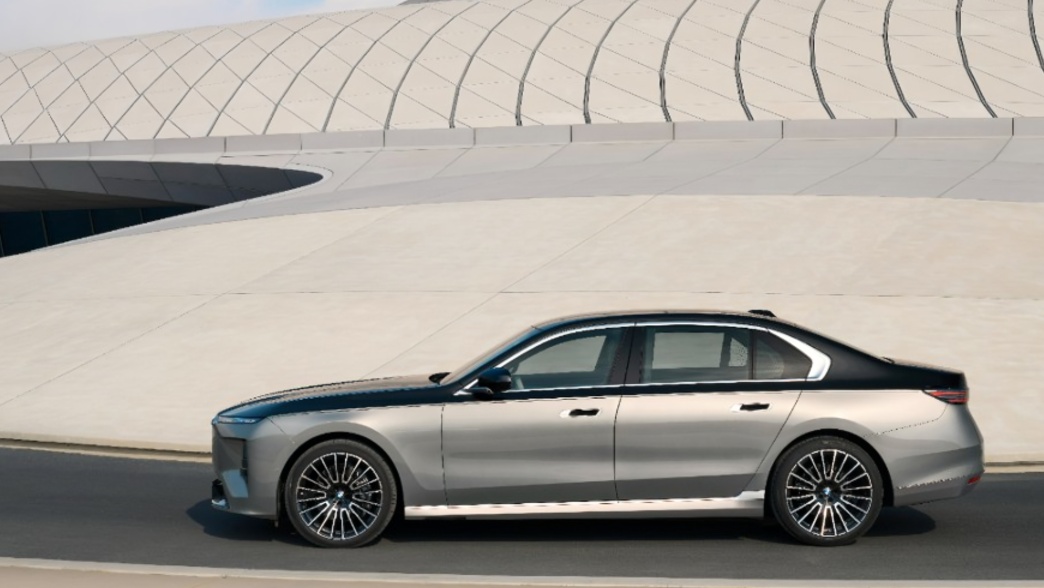
One of the most visible changes is expected to be the exterior design. The facelifted 7 Series receives a revised front-end design with updated daytime running lights and a redesigned interpretation of BMW’s signature kidney grille. The front bumper and bonnet have also been redesigned, giving the sedan a more contemporary appearance.
The rear section receives updated tail-lamps and a redesigned bumper. BMW has also introduced new wheel and exterior colour options for the updated model. Depending on the variant and equipment package, customers can expect differences in exterior styling between luxury-focused and sport-oriented versions.
The cabin is another major area of change. BMW has redesigned parts of the interior using design elements associated with its newer-generation models. The updated dashboard features a large central display and BMW’s latest digital interface. The facelift also introduces BMW Panoramic Vision technology, which projects important information across the lower section of the windscreen.
The updated 7 Series also gets a redesigned steering wheel and additional digital technology. A new passenger display is available as part of the upgraded interior package, while BMW’s large rear entertainment screen continues to be one of the key features aimed at chauffeur-driven customers.
The rear-seat experience remains an important part of the 7 Series package. The model is designed to provide a high level of comfort for passengers, particularly those who use the sedan for business travel or long-distance journeys. Features such as electrically adjustable seats, premium upholstery, entertainment functions and advanced climate control are expected to remain central to the car’s luxury positioning.
The i7 will continue to offer a fully electric alternative to the conventionally powered 7 Series. The updated i7 receives similar exterior and interior changes while retaining its battery-electric powertrain. Internationally, the facelifted i7 is available in multiple versions with different power outputs and battery configurations.
For India, BMW is expected to continue offering the i7 in selected variants rather than bringing every international configuration to the market. Final specifications, range figures and equipment levels will be confirmed by BMW India at the launch.
The conventional 7 Series is expected to retain petrol and diesel powertrains, while electrified options are also available internationally. The facelifted global range includes petrol, diesel, plug-in hybrid and battery-electric versions. However, the exact combination of powertrains that BMW India will offer is expected to depend on local market requirements and homologation.
The updated models are also expected to receive improvements in driver assistance technology. BMW has been expanding the use of advanced safety and convenience systems across its latest vehicles. Depending on the variant, the new 7 Series can offer functions designed to assist with highway driving, parking and manoeuvring.
The facelift is particularly important for BMW because the 7 Series competes in the premium luxury sedan segment against models such as the Mercedes-Benz S-Class and other high-end executive cars. Buyers in this segment increasingly expect advanced digital features in addition to traditional luxury, comfort and performance.
BMW has already opened pre-bookings for the updated 7 Series and i7 in India ahead of the September 11 launch. Industry reports indicate that the petrol and diesel 7 Series could start at around Rs 1.85 crore, while the electric i7 could begin at approximately Rs 2.10 crore. These figures are estimates and should not be treated as final prices until BMW India officially announces them.
The facelifted 7 Series is also expected to remain an important model for BMW’s premium vehicle strategy in India. The company has been expanding its locally assembled and imported luxury vehicle portfolio while increasing its electric vehicle offerings.
The i7 is particularly significant because it gives customers an electric alternative without moving away from the traditional luxury sedan format. Instead of adopting the design of a conventional electric car, the i7 retains the flagship 7 Series identity while using a battery-electric powertrain.
The upcoming India launch will therefore provide a clearer picture of BMW’s strategy for the luxury sedan segment. Customers will be able to compare the updated petrol and diesel 7 Series models with the fully electric i7 based on price, performance, range, equipment and ownership requirements.
BMW’s facelift also reflects the broader transformation taking place in the premium automobile industry. Luxury car manufacturers are increasingly combining traditional materials and comfort features with large displays, connected services, advanced driver assistance systems and electric powertrains.
With the 7 Series and i7 facelift, BMW is aiming to strengthen its flagship sedan range through updated styling and technology while offering customers a choice between conventional and electric propulsion. The official launch on September 11 is expected to reveal the India-specific variants, equipment, prices and delivery timelines.