
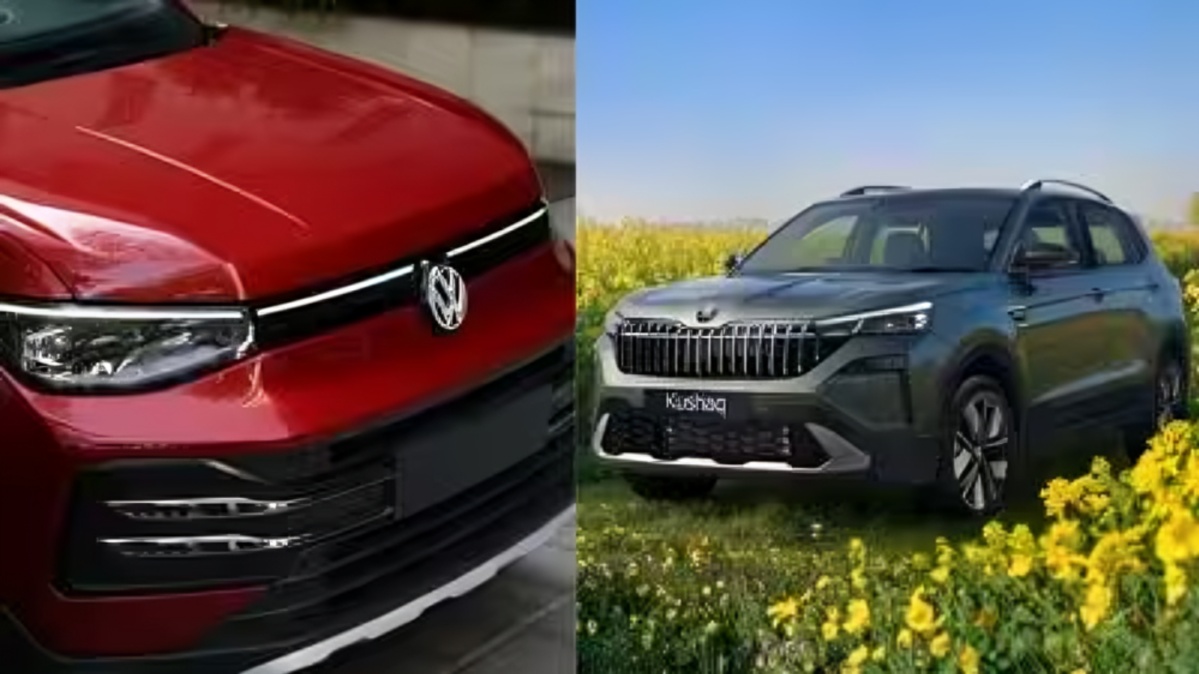
Skoda Auto Volkswagen and JSW Group have taken a significant step towards a potential new partnership in India by signing a non binding Memorandum of Understanding to explore a joint venture focused on passenger vehicles.
The proposed partnership could cover a broad range of vehicle technologies, including internal combustion engine vehicles, electric vehicles, hybrid vehicles and plug in hybrid vehicles. The companies are also looking at opportunities to develop, manufacture and sell vehicles in India as well as international markets.
The agreement is important because it indicates that the proposed collaboration will not be limited to electric vehicles. While EVs are expected to remain an important part of future product development, the companies are also considering conventional petrol and diesel vehicles, hybrids and plug in hybrids.
However, the MoU is non binding. This means the agreement is currently an expression of intent to explore the partnership rather than a completed joint venture. The companies still need to negotiate important commercial, financial, operational and legal matters before a final agreement can be concluded.
According to reports, the proposed alliance could involve a 51 to 49 ownership structure, although the final structure remains subject to negotiations and approvals. The two sides are expected to discuss valuation, tax-related matters, governance and the operational responsibilities of the proposed partnership. Reports indicate that the companies are targeting a binding agreement by the end of 2026.
One of the major objectives of the proposed partnership is to strengthen vehicle manufacturing and localisation in India. Volkswagen has been looking for ways to improve its competitiveness in the Indian market, while JSW has been expanding its presence in the automotive sector.
JSW Group entered the passenger vehicle business through its partnership with SAIC Motor in JSW MG Motor India. That experience has given the Indian conglomerate a growing presence in vehicle manufacturing, sales and electric mobility.
For Volkswagen Group, the proposed partnership could provide an opportunity to expand its product portfolio and increase its local sourcing in India. Reuters reported that the companies are exploring platform sharing, increased local sourcing and expanded production capacity as part of the broader partnership discussions.
India is an increasingly important automobile market, but Volkswagen Group has faced challenges in gaining a larger share of the passenger vehicle market. The proposed collaboration with JSW could help the German automotive group improve its manufacturing scale and respond more effectively to changing customer demand.
Skoda has played an important role in Volkswagen Group's India strategy in recent years. The group has used its India operations to develop vehicles specifically suited to local market requirements while also focusing on exports.
The potential partnership could provide additional flexibility in developing future vehicles for Indian customers. If the agreement is finalised, new models could potentially be developed around multiple powertrain technologies rather than relying exclusively on one type of propulsion.
Electric vehicles are expected to remain a major area of interest. India's EV market has been expanding, with manufacturers introducing new electric SUVs, cars and other products. A stronger partnership between JSW and Volkswagen could potentially result in additional electric models designed for Indian customers and possibly export markets.
At the same time, the inclusion of hybrid and plug in hybrid vehicles is significant. Indian consumers continue to have different requirements depending on driving conditions, charging infrastructure and vehicle usage. A broader powertrain strategy would allow the proposed partnership to address different segments of the market.
The potential joint venture could also make India an important export base. Reports indicate that the companies are considering the possibility of using Indian manufacturing facilities to supply vehicles to overseas markets.
Exports could become an important part of the partnership because higher production volumes can help manufacturers improve economies of scale. Increased local sourcing could also support Indian component suppliers and strengthen the domestic automotive manufacturing ecosystem.
The partnership could have implications for Volkswagen and Skoda's future product strategy as well. Shared vehicle platforms and manufacturing resources could potentially reduce development and production costs. However, the exact models, platforms and technologies that could emerge from the partnership have not yet been announced.
Customers should therefore not interpret the MoU as confirmation that specific new EVs, hybrids or petrol and diesel models will immediately enter the Indian market. Product plans will depend on the outcome of the negotiations and the eventual structure of the joint venture.
The proposed alliance also comes at a time when India's automobile industry is undergoing significant transformation. Automakers are investing in electric vehicles, connected technology, new safety systems and alternative powertrain technologies. At the same time, manufacturers are looking for ways to increase localisation and reduce production costs.
For JSW Group, a potential partnership with Volkswagen would further strengthen its position in India's automobile industry. For Volkswagen, working with an established Indian business group could provide local market expertise and potentially improve manufacturing efficiency.
The next stage will involve detailed discussions between the two sides. Valuation, ownership, governance, manufacturing operations, product development, technology sharing and investment commitments will all need to be finalised before the proposed joint venture can become operational.
Overall, the non binding MoU represents an important potential development for India's automobile sector. If the companies successfully complete negotiations and establish the proposed joint venture, Indian consumers could eventually see a wider range of Volkswagen Group products across petrol, diesel, hybrid, plug in hybrid and electric segments.
The partnership could also strengthen India's position as a manufacturing and export hub for global automobile companies. However, the final outcome will depend on the negotiations and approvals that follow the initial agreement.