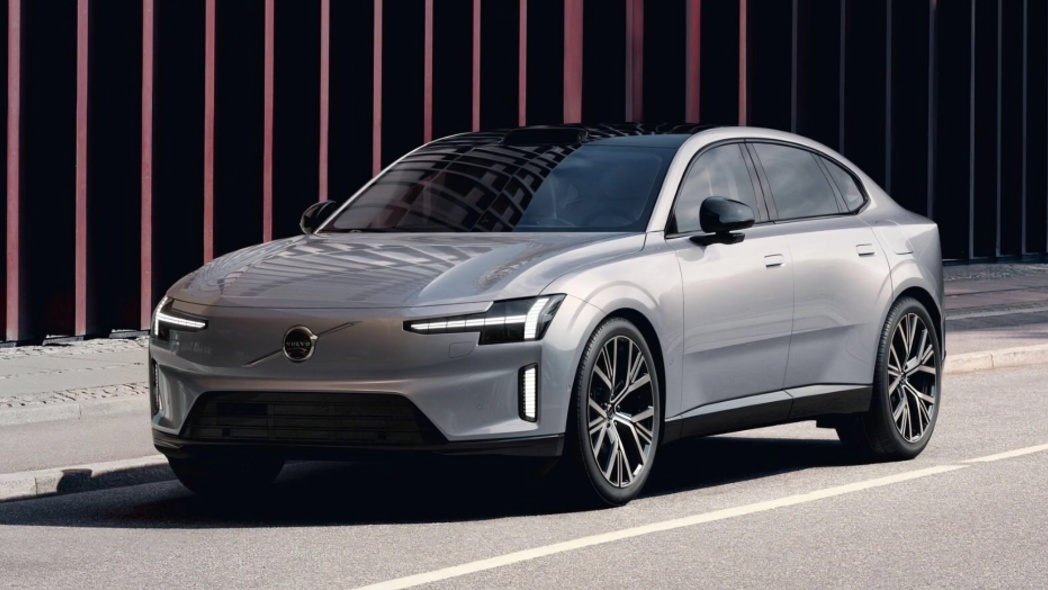
Volvo is preparing to strengthen its presence in India’s premium electric vehicle segment with two flagship models, the EX90 and ES90. The Swedish manufacturer has confirmed plans to bring two new 90 series electric vehicles to the Indian market as part of its strategy to expand its electric portfolio.
The EX90 is positioned as Volvo’s flagship electric SUV, while the ES90 is the brand’s premium electric fastback sedan. Both models are based on Volvo’s SPA2 architecture and use an 800 volt electrical system, which supports high speed charging technology.
Volvo EX90
The Volvo EX90 is a large luxury electric SUV designed to provide three row seating and substantial interior space. It sits above Volvo’s smaller electric models and is expected to become the company’s flagship electric SUV in India.
Globally, the EX90 is available with different powertrain configurations, including single motor rear wheel drive and twin motor all wheel drive versions. Depending on the variant, output and battery capacity can vary.
Volvo’s technical information lists a 111 kWh battery for certain twin motor versions, with outputs of 408 horsepower and 517 horsepower for the standard and performance variants respectively. The manufacturer lists an electric range of around 598 to 602 kilometres for those configurations under its specified testing conditions.
The EX90 also features advanced driver assistance and safety technology. One of its most notable technologies is a roof mounted lidar sensor designed to improve the vehicle’s ability to detect objects and understand its surroundings.
Inside, the SUV follows Volvo’s minimalist design philosophy. International versions feature a large central touchscreen, digital displays, connected technology and premium audio equipment.
The vehicle is available internationally with different seating configurations, including versions capable of accommodating up to seven occupants.
Volvo ES90
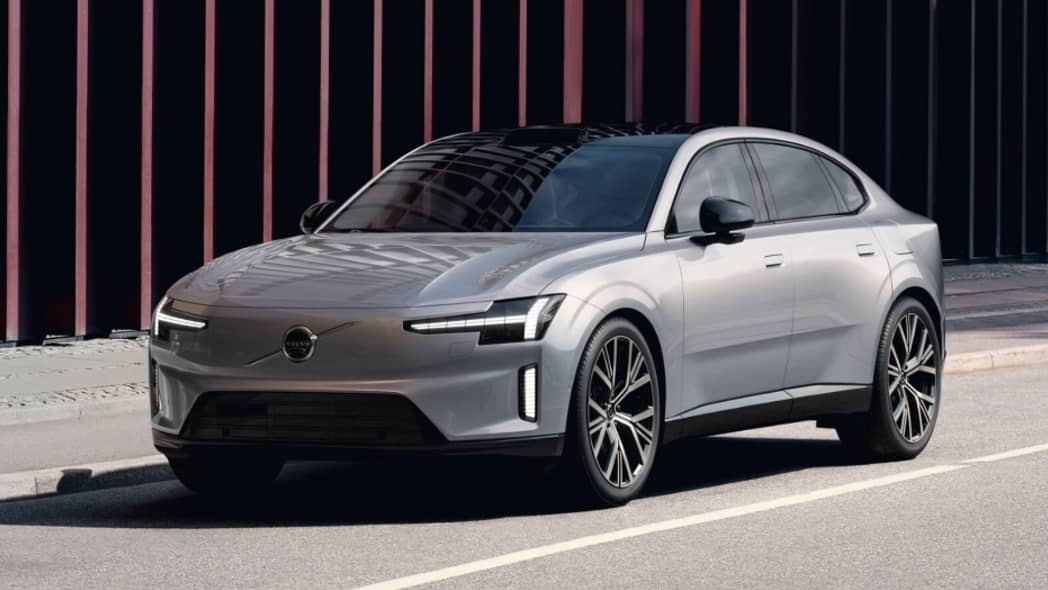
The ES90 is a premium electric fastback sedan that shares its underlying SPA2 architecture with the EX90. Volvo has positioned the model as a technologically advanced electric car with a combination of long distance capability, luxury and fast charging.
The ES90 features an 800 volt electrical system and can support high power DC charging depending on the configuration and charging equipment available.
The global model is offered with different battery and powertrain combinations. Higher capacity versions are designed to provide a long driving range, making the ES90 suitable for customers who want an electric vehicle for both urban and long distance use.
The car follows Volvo’s latest design language, with a clean exterior, distinctive lighting elements and a premium cabin. Its fastback body style combines the appearance of a sedan with additional practicality.
India Launch Plans
Volvo India has confirmed that two new 90 series electric vehicles will join its local portfolio. The company had earlier indicated that it planned to introduce two new electric vehicles during 2026.
Recent reports have also indicated that the EX90 is being prepared for its Indian debut. Earlier reports had not specified an exact launch date, while subsequent reports have pointed to an August introduction for the EX90.
The specific October 12 launch date mentioned in the supplied report should therefore be treated as a reported launch date until Volvo India officially confirms it. The company’s final announcement is expected to clarify whether both the EX90 and ES90 will be introduced on the same date.
Expected Positioning
The arrival of the two models would give Volvo a stronger presence in the premium electric vehicle market.
The EX90 would compete in the large luxury electric SUV category, while the ES90 would target premium electric sedans and fastback models.
The Indian electric vehicle market has been expanding, with luxury manufacturers introducing increasingly sophisticated electric models. Volvo has already introduced electric vehicles such as the EX30 and continues to expand its electrified portfolio.
Volvo India has said that electric vehicles account for a significant portion of its sales, while the company continues to offer mild hybrid models alongside its electric range. The company has also reiterated its long term ambition to become an all electric car manufacturer, although it no longer maintains a fixed 2030 deadline for that transition.
Price and Specifications
Volvo has yet to reveal the final India specific specifications and pricing for both models in the supplied information. Prices could vary significantly depending on the battery, powertrain, equipment and import or assembly strategy selected for India.
The EX90 is expected to occupy the upper end of Volvo’s Indian portfolio because of its size, technology and flagship positioning. The ES90 is also expected to command a premium price because of its positioning and advanced electric architecture.
More information about India specific battery capacity, power output, range, charging capability, seating configuration and features should become available closer to the official launch.
For buyers considering a luxury electric vehicle, the two models could offer an alternative to established premium electric cars from brands such as BMW, Mercedes Benz and Audi.
The EX90 and ES90 therefore represent an important expansion of Volvo’s electric vehicle strategy in India. While the reported October 12 date is attracting attention, customers should wait for Volvo India’s official announcement for confirmation of the launch date, pricing and final specifications.