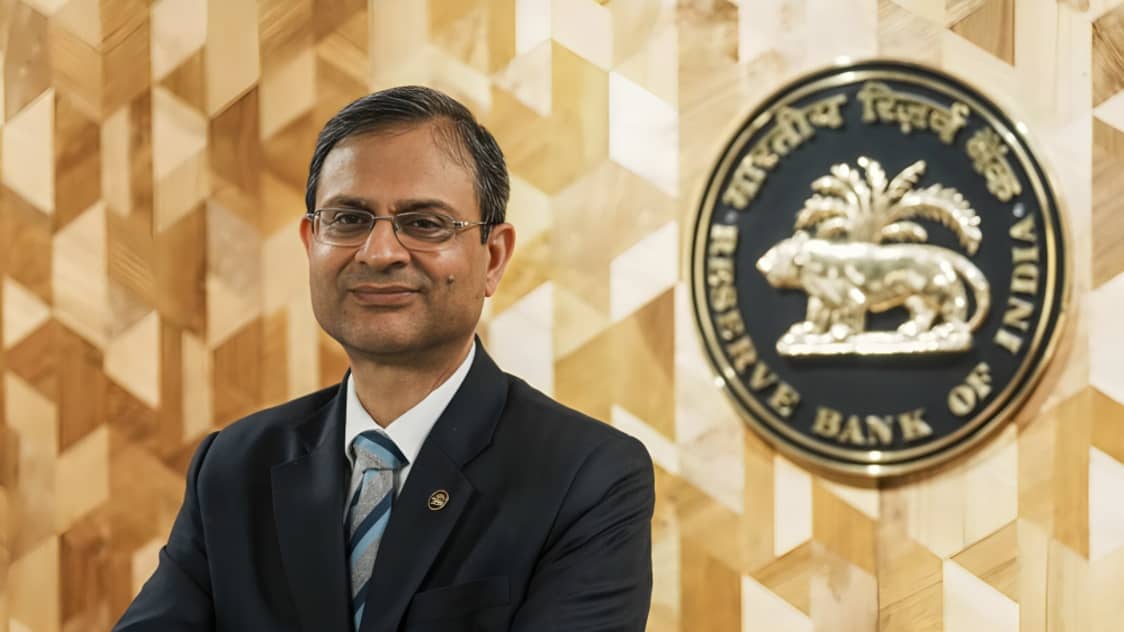

The Reserve Bank of India's decision to keep the repo rate unchanged has received broad support from economists and market experts, who believe the move is appropriate given the current domestic and global economic environment. Analysts say the central bank's policy reflects a balanced strategy aimed at sustaining economic growth while ensuring inflation remains within its targeted range.
The repo rate is the interest rate at which the Reserve Bank of India lends money to commercial banks. It is one of the most important monetary policy tools used by the central bank to influence borrowing costs, liquidity, inflation, and overall economic activity. Any change in the repo rate can affect home loans, business loans, deposit rates, and consumer spending.
According to economists, maintaining the existing repo rate allows the economy to continue benefiting from stable financial conditions without introducing unnecessary uncertainty. They noted that inflation has shown signs of moderation in recent months, while economic growth continues to remain resilient across several sectors.
Experts believe the RBI's decision reflects confidence in the current policy framework. By keeping interest rates unchanged, the central bank can continue monitoring incoming economic data before deciding whether additional policy adjustments become necessary in the future.
Several economists pointed out that monetary policy decisions must carefully balance multiple objectives. While lower interest rates can encourage borrowing, investment, and consumption, they may also contribute to inflationary pressures if maintained for an extended period. Conversely, higher interest rates can help contain inflation but may slow economic activity.
The RBI's decision also takes into account global economic developments, including international inflation trends, commodity prices, financial market conditions, and monetary policy actions by major central banks. These external factors continue to influence capital flows, exchange rates, and overall financial stability.
Market participants generally viewed the policy announcement as consistent with expectations. Financial institutions, businesses, and investors had anticipated that the central bank would adopt a cautious approach while assessing future inflation and growth dynamics.
For borrowers, the decision means that lending rates linked to the repo rate may remain broadly stable unless individual banks revise their lending policies. Similarly, deposit rates are expected to remain largely unchanged in the near term, depending on each bank's funding requirements and business strategy.
Business leaders welcomed the policy continuity, stating that stable interest rates support long term planning, investment decisions, and capital expenditure. They also noted that predictable monetary policy contributes to greater confidence among domestic and international investors.
The Reserve Bank of India has repeatedly emphasized that its monetary policy decisions are guided by incoming economic data and evolving macroeconomic conditions. The central bank continues to monitor inflation, growth, financial stability, liquidity, and global developments before making future policy decisions.
Economists believe that the current policy stance provides flexibility for the RBI to respond to changing economic conditions if required. While inflation remains an important consideration, the central bank is expected to continue focusing on maintaining a balance between price stability and sustainable economic growth.
The next monetary policy review will be closely watched by financial markets, businesses, and consumers as new economic indicators become available. Until then, analysts expect the current interest rate environment to provide stability for borrowers, lenders, and the broader Indian economy.