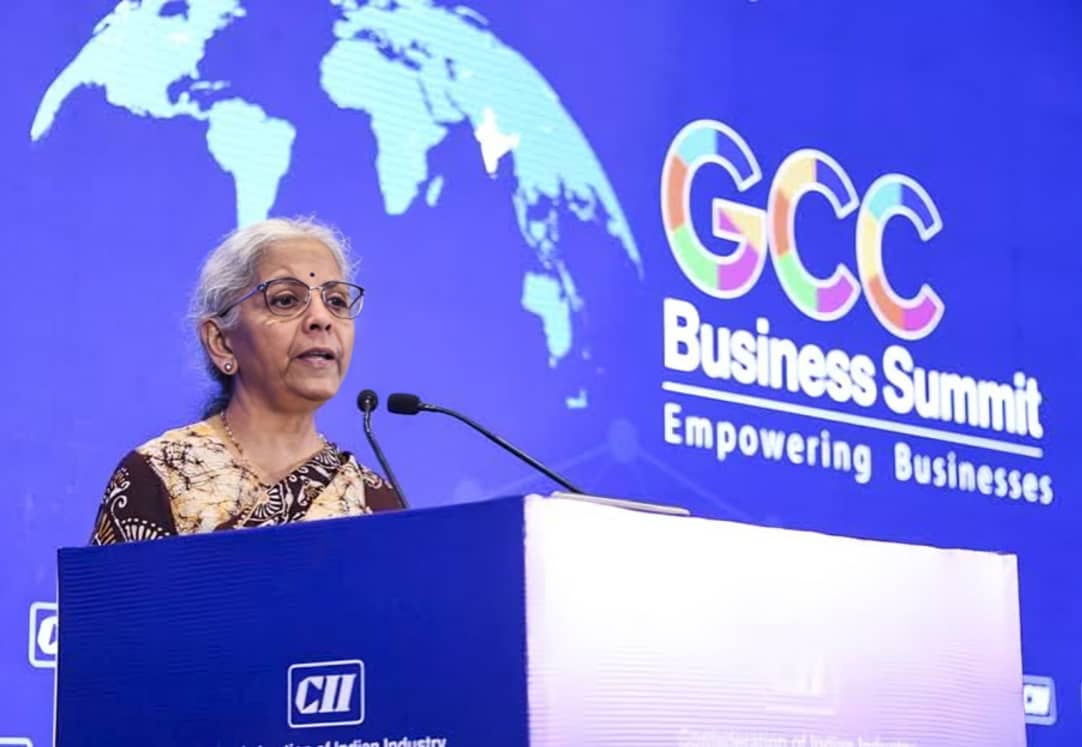
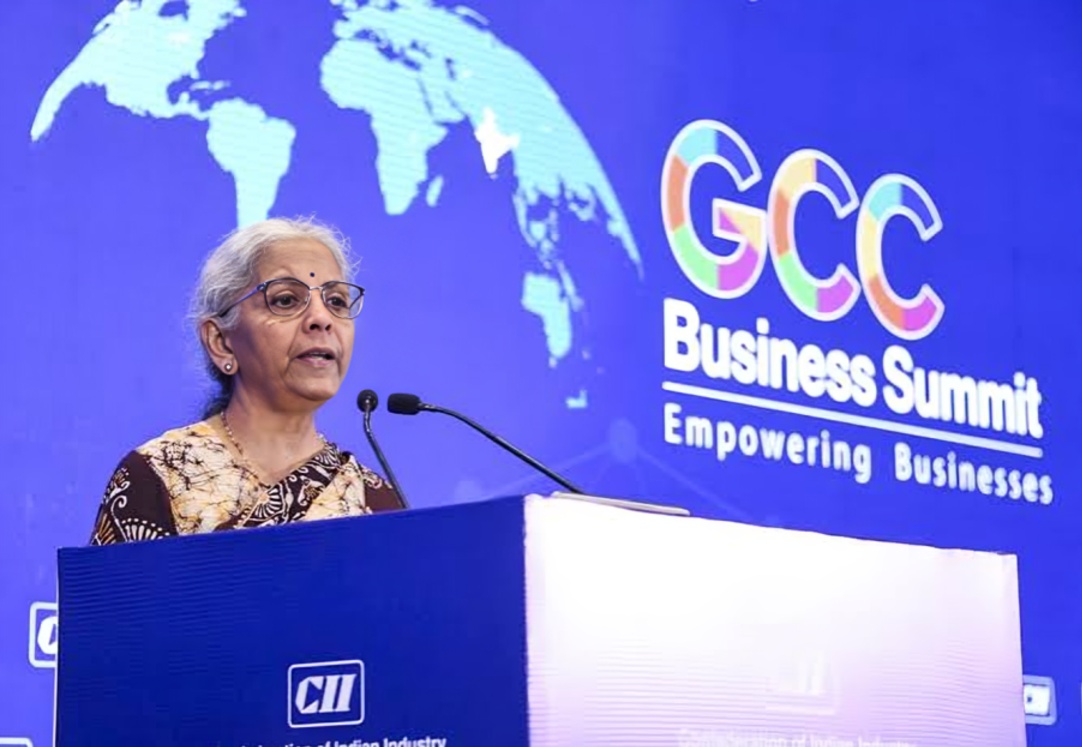
The central government is preparing to establish a high powered committee to examine the future of India's banking sector and identify reforms needed to support the country's Viksit Bharat 2047 vision. Finance Minister Nirmala Sitharaman announced the development on August 17, 2026, while addressing the Public Sector Banks Confluence in New Delhi.
The proposed committee is expected to undertake a comprehensive review of the banking sector and examine how banks can contribute more effectively to India's long term economic development. The initiative was originally proposed in the Union Budget 2026 27, where the government announced plans for a High Level Committee on Banking for Viksit Bharat.
Sitharaman said the government would announce the composition of the high powered committee soon. She also urged banking sector leaders to provide their recommendations and ideas so that the panel can consider practical suggestions from people working directly within the financial system.
The Finance Minister made the remarks at the two day PSB Confluence 2026, which brings together senior officials from public sector banks and public financial institutions. According to the government, the discussions taking place at the event can provide important inputs for the proposed committee.
The proposed review comes at a time when India's banking sector has strengthened its financial position. Sitharaman highlighted improvements in asset quality and said non performing assets have reached historically low levels. She argued that the current position provides an opportunity to undertake further reforms from a position of strength.
The government wants the banking sector to be prepared for the changing requirements of a growing Indian economy. Banks are expected to play an important role in financing businesses, infrastructure, agriculture, small enterprises and other economic activities as India works towards its 2047 development objectives.
Financial inclusion is also expected to remain an important part of the reform discussion. The Union Budget specifically stated that the proposed committee would review the banking sector while safeguarding financial stability, inclusion and consumer protection.
The committee's work could therefore cover a broad range of issues affecting the banking industry. These may include improving access to credit, strengthening financial institutions, expanding digital banking, improving customer services and ensuring that the banking system remains resilient as the economy expands.
Technology is another area that is likely to remain important for the sector. Indian banks have increasingly adopted digital services and artificial intelligence to improve customer experience and operational efficiency. The next phase of banking reforms could examine how technology can be used to expand access to financial services while maintaining appropriate safeguards.
The role of banks in supporting farmers and micro, small and medium enterprises is also becoming increasingly important. Recent discussions within the banking industry have highlighted the potential for artificial intelligence and digital systems to improve credit access for underserved sections of the economy.
Public sector banks are expected to play a particularly important role in the government's development strategy. Sitharaman has encouraged these institutions to use their stronger balance sheets to support the next phase of economic growth.
The proposed committee is not intended merely to examine existing banking practices. Its broader objective is to determine how the banking system should evolve to meet the financing requirements of a developed Indian economy. With India targeting the Viksit Bharat 2047 vision, the government believes that financial institutions must be capable of supporting increased investment and economic activity.
The Union Budget 2026 27 had already identified banking sector reform as an important component of the financial sector agenda. Alongside the proposed banking committee, the Budget included measures concerning public sector non banking financial companies, foreign investment rules and the development of corporate and municipal bond markets.
The government had proposed restructuring the Power Finance Corporation and Rural Electrification Corporation to improve scale and efficiency in public sector NBFCs. It also proposed reviewing the Foreign Exchange Management Non Debt Instruments Rules to create a more contemporary framework for foreign investment.
These measures form part of a broader effort to strengthen India's financial architecture. A stronger banking system is considered essential for providing adequate credit to productive sectors and supporting investment over the coming decades.
For customers, the success of future banking reforms will ultimately be measured through easier access to financial services, improved service quality, responsible lending and stronger consumer protection. For businesses, efficient credit availability could help support expansion and investment.
The proposed committee is expected to gather inputs from banking leaders before preparing its recommendations. Sitharaman has indicated that the government intends to move quickly once the committee submits its report.
The announcement therefore marks the beginning of another potential phase of banking sector reforms in India. The country has already undertaken several major banking reforms over the past decade, including measures aimed at improving asset quality, strengthening public sector banks and expanding digital financial services.
With bad loans at comparatively low levels and banks reporting stronger balance sheets, the government now wants to focus on the sector's future requirements rather than only addressing past challenges.
The upcoming high level committee could consequently become an important platform for shaping India's banking policy for the years ahead. Its recommendations are expected to influence how banks support economic growth, financial inclusion and investment as the country moves towards the Viksit Bharat 2047 objective.