As the Income Tax Return filing season approaches, many individuals are reviewing their financial records to determine whether they are required to submit a return. A common misconception among taxpayers is that filing an Income Tax Return is only necessary when income tax is payable. However, tax experts emphasize that several circumstances may require a person to file a return even when no tax liability exists.
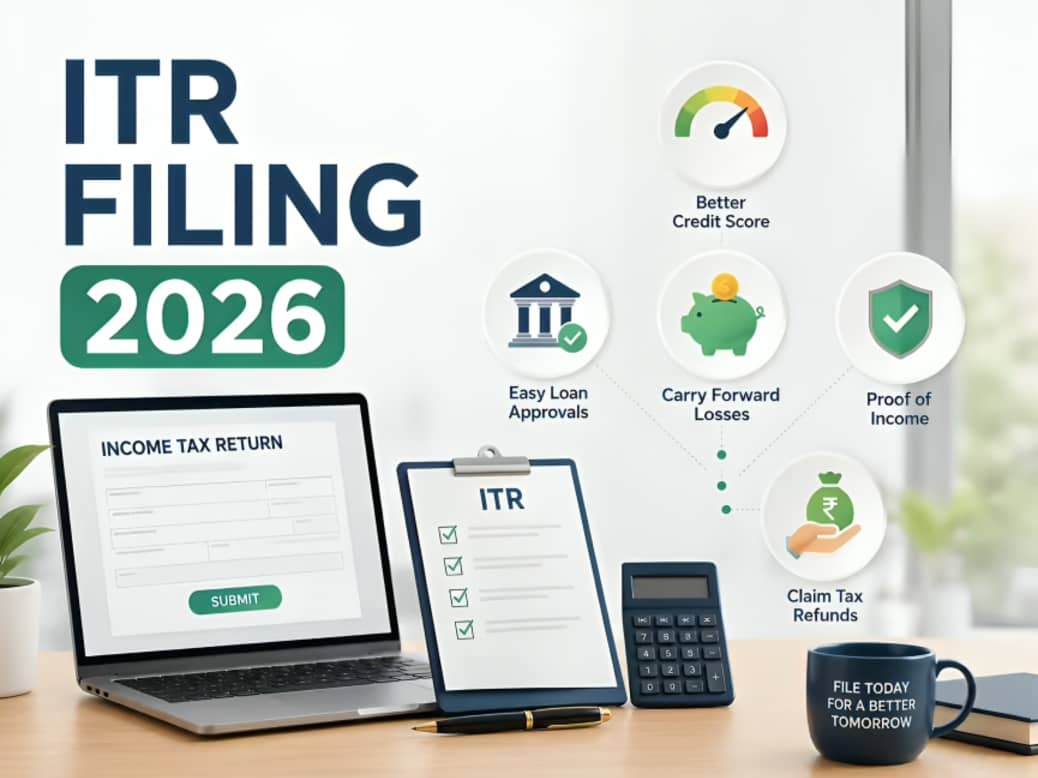
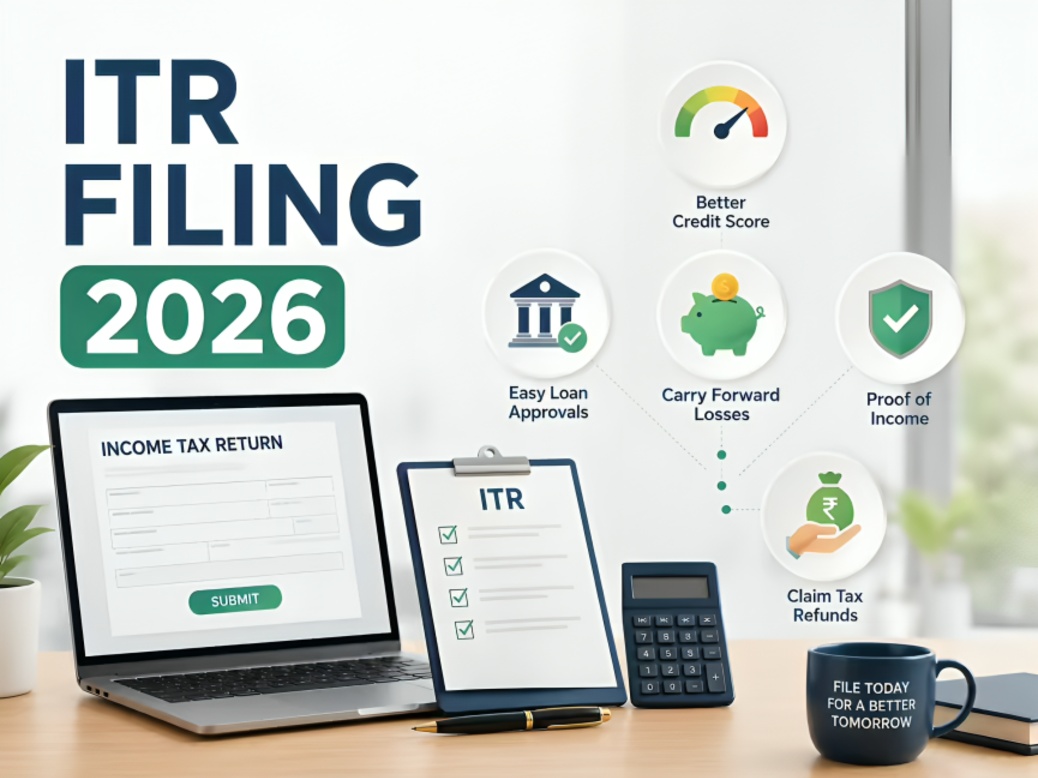
Income Tax Return filing serves multiple purposes beyond the payment of taxes. It acts as an official record of an individual's income, investments, deductions, and financial transactions during a financial year. Filing a return can also provide benefits related to refunds, loan applications, visa processing, and financial documentation.
One of the primary factors determining the need to file a return is total income. Individuals whose gross income exceeds the prescribed exemption limits under applicable tax laws are generally required to file an Income Tax Return. However, even taxpayers whose income falls below these thresholds may benefit from filing in specific situations.
Capital gains are among the most common reasons individuals file returns despite having little or no tax liability. Gains arising from the sale of shares, mutual funds, real estate, or other capital assets often need to be reported through an Income Tax Return. Proper reporting helps ensure compliance with tax regulations and provides an accurate record of financial transactions.
Tax refunds represent another important reason for filing returns. Many taxpayers experience tax deductions at source on salaries, bank deposits, or other income streams. If excess tax has been deducted during the year, filing a return is generally necessary to claim a refund from the Income Tax Department.
Individuals who own foreign assets or have financial interests outside India may also be subject to additional reporting requirements. Tax authorities require transparency regarding overseas assets and income sources, making return filing an important compliance obligation in such cases.
The ability to carry forward losses is another significant consideration. Investors and business owners who incur capital losses or business losses may wish to offset those losses against future gains. In many cases, filing an Income Tax Return within the prescribed timelines is necessary to preserve the right to carry forward these losses for future tax benefits.
Apart from legal requirements, filing returns can strengthen an individual's financial profile. Banks and financial institutions often request Income Tax Return records when evaluating applications for home loans, personal loans, or other credit facilities. Consistent filing can help establish financial credibility and income stability.
Digital filing systems introduced by tax authorities have made the return filing process more accessible for taxpayers. Online platforms allow individuals to verify information, submit returns electronically, and track refund status with greater convenience than in previous years.
Financial experts advise taxpayers to review all sources of income carefully before deciding whether filing is necessary. Income from employment, investments, interest earnings, rental properties, and capital transactions should all be considered during this assessment.
While filing requirements vary depending on individual circumstances and prevailing tax regulations, maintaining compliance remains important for avoiding penalties and ensuring accurate financial reporting. Taxpayers with complex financial situations may benefit from consulting qualified tax professionals for guidance.
As Assessment Year 2026 filing preparations continue, understanding the rules governing Income Tax Returns can help individuals make informed decisions, fulfill compliance obligations, and take advantage of available financial benefits associated with timely filing.