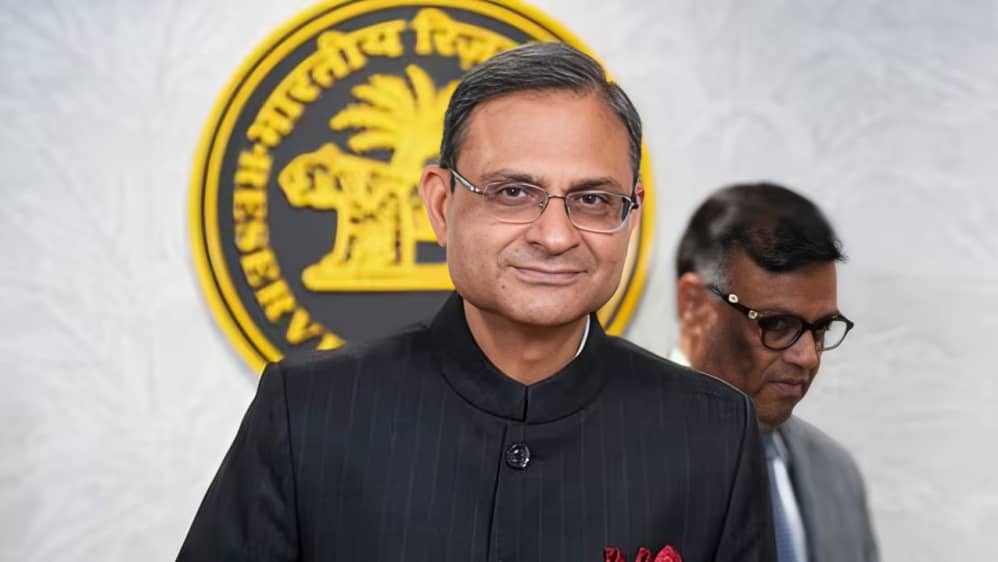

The Reserve Bank of India has signaled a cautious and flexible approach to monetary policy, indicating that it is currently in a wait and watch mode regarding potential interest rate cuts. RBI Governor Shaktikanta Das highlighted the importance of remaining agile and responsive in the face of evolving economic conditions.
In recent remarks, the Governor noted that global and domestic uncertainties continue to influence the economic outlook. Factors such as inflation trends, geopolitical developments and financial market conditions are being closely monitored by the central bank. In this context, maintaining a balanced policy stance is considered essential to ensure stability.
The wait and watch approach suggests that the RBI is not in a hurry to implement rate cuts, despite expectations from some sections of the market. Instead, the central bank is focusing on gathering more data and assessing how various factors impact the economy over time. This strategy allows policymakers to make informed decisions based on evolving conditions rather than acting prematurely.
Interest rate decisions play a crucial role in shaping economic activity. Lower rates can encourage borrowing and investment, thereby supporting growth, while higher rates are often used to control inflation. Striking the right balance between these objectives is a key challenge for central banks.
Shaktikanta Das emphasized that flexibility is important in uncertain times. By remaining adaptable, the RBI can respond effectively to changes in economic indicators. This includes adjusting policies if inflation pressures increase or if growth slows down unexpectedly.
Market participants have been closely watching signals from the RBI regarding future rate movements. While some analysts had anticipated rate cuts to support economic growth, the central bank’s current stance indicates a preference for caution. This has led to mixed reactions in financial markets, with investors reassessing their expectations.
Inflation remains a key factor influencing the RBI’s decisions. Ensuring price stability is one of the central bank’s primary objectives, and any signs of persistent inflationary pressure could delay rate cuts. At the same time, the RBI is also mindful of the need to support economic growth, particularly in a challenging global environment.
The global economic landscape continues to present uncertainties, including fluctuating commodity prices and changing monetary policies in major economies. These external factors can have a direct impact on India’s economy, making it important for the RBI to consider both domestic and international developments.
The central bank’s approach also reflects a broader trend among policymakers worldwide, who are adopting cautious strategies in response to uncertain conditions. By prioritizing data driven decisions, central banks aim to maintain stability while navigating complex economic environments.
Experts believe that the RBI’s wait and watch stance provides room for flexibility in the coming months. If economic conditions improve and inflation remains under control, the possibility of rate cuts could be revisited. Conversely, if risks increase, the central bank may choose to maintain or even tighten its policy stance.
Overall, the Reserve Bank of India’s current approach highlights the importance of careful and measured decision making in monetary policy. By staying alert to changing conditions and maintaining flexibility, the RBI aims to support both economic stability and sustainable growth in the long term.