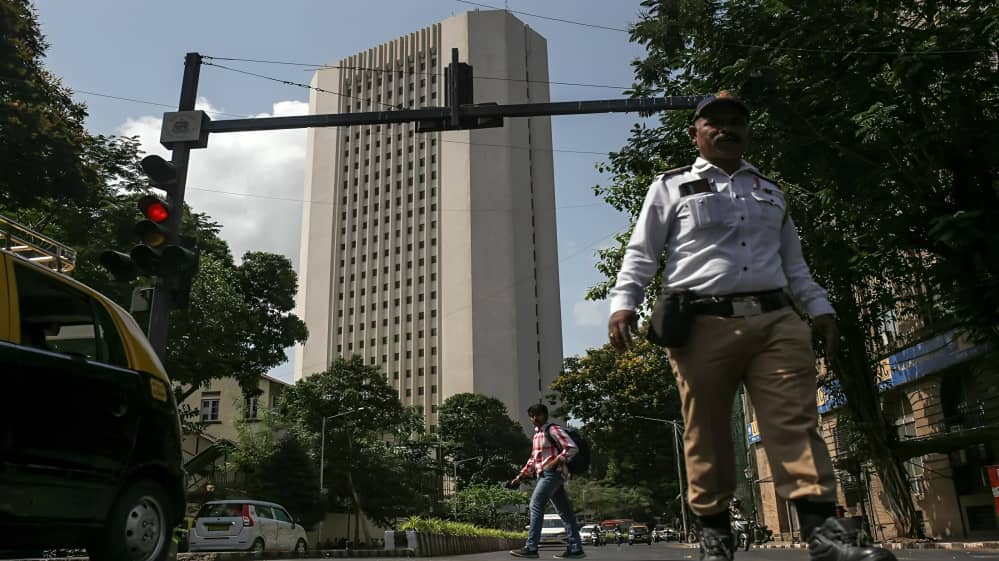

Reserve Bank of India has imposed financial penalties on YES Bank and Hinduja Housing Finance for regulatory compliance violations, according to official notifications released by the central bank.
The Reserve Bank of India fined YES Bank Rs 31.8 lakh for failing to comply with certain Know Your Customer guidelines. Meanwhile, Hinduja Housing Finance was penalised Rs 1.8 lakh for governance related regulatory lapses.
The RBI clarified that the penalties were imposed after examining supervisory findings and identifying deficiencies in compliance with regulatory requirements. The action forms part of the central bank’s broader effort to strengthen financial governance and ensure strict adherence to banking and financial regulations across institutions.
According to the RBI, the penalty imposed on YES Bank relates specifically to lapses involving KYC norms. Know Your Customer regulations are considered a critical component of India’s banking framework because they help financial institutions verify customer identities, prevent fraud and reduce risks associated with money laundering and financial crimes.
KYC compliance has become increasingly important in India’s banking system as regulators continue strengthening monitoring mechanisms for financial transactions and customer verification processes.
The RBI stated that the action against YES Bank does not question the validity of any customer transactions or agreements entered into by the bank. Instead, the penalty reflects shortcomings in regulatory compliance and internal monitoring procedures.
Similarly, the penalty imposed on Hinduja Housing Finance was linked to governance related issues identified during regulatory examination. Financial regulators in India have increasingly focused on improving governance standards, transparency and accountability within banks and non banking financial institutions.
Industry experts note that governance compliance plays a vital role in maintaining investor confidence and ensuring operational stability within the financial sector. Strong governance practices are viewed as essential for protecting customer interests and maintaining financial discipline.
The Reserve Bank of India regularly conducts inspections and supervisory reviews of financial institutions to ensure adherence to regulatory guidelines. When violations or deficiencies are identified, the central bank may impose penalties, issue corrective directions or seek improvements in operational systems.
Financial analysts say such regulatory actions demonstrate the RBI’s continuing focus on strengthening compliance culture within India’s banking and housing finance sectors. Regulatory enforcement has become increasingly strict in recent years as authorities attempt to improve risk management and operational transparency.
YES Bank remains one of India’s major private sector banks and has undergone significant restructuring efforts over the past few years following financial challenges faced by the institution. The bank has since focused on improving governance standards, operational efficiency and customer confidence.
Hinduja Housing Finance operates within India’s housing finance sector, which plays an important role in supporting residential property financing and home ownership across the country.
Experts believe penalties imposed by regulators serve not only as punitive measures but also as signals encouraging financial institutions to strengthen internal compliance systems and governance structures.
The RBI’s actions also highlight the increasing importance of regulatory accountability in India’s evolving financial environment. Banks and financial companies are expected to maintain strict compliance with operational guidelines, reporting standards and governance requirements.
Industry observers note that India’s financial regulatory framework has become more robust due to growing digital banking activity, expanding financial inclusion and rising transaction volumes across the economy.
The RBI has repeatedly emphasized the importance of customer protection, operational transparency and effective compliance management as part of its long term regulatory priorities.
While penalties of this nature may not significantly affect the day to day operations of large institutions, they can influence public perception and encourage stronger internal controls within organizations.
Financial experts say regulatory compliance will continue to remain a major focus area for banks and housing finance companies as India’s financial system expands and modernises further.
Overall, the penalties imposed on YES Bank and Hinduja Housing Finance underline the RBI’s continued efforts to maintain discipline, accountability and regulatory integrity within India’s financial sector.