The Reserve Bank of India has introduced the Ombudsman Scheme 2026, introducing several important changes designed to strengthen consumer protection and improve the resolution of complaints against regulated financial institutions. The revised framework seeks to make the grievance redressal process more efficient, transparent and accessible for customers across the banking and financial services sector.
One of the most notable changes under the new scheme is the increase in the maximum compensation that may be awarded in eligible cases. The compensation limit has been raised to Rs 30 lakh, providing greater financial relief for consumers who experience losses due to deficiencies in banking or financial services. The enhanced limit reflects the growing scale of financial transactions and evolving customer requirements.
The updated Ombudsman Scheme also expands the categories of complaints that customers can bring before the Ombudsman. The broader coverage is intended to ensure that consumers have access to an effective dispute resolution mechanism for a wider range of banking and financial service issues.
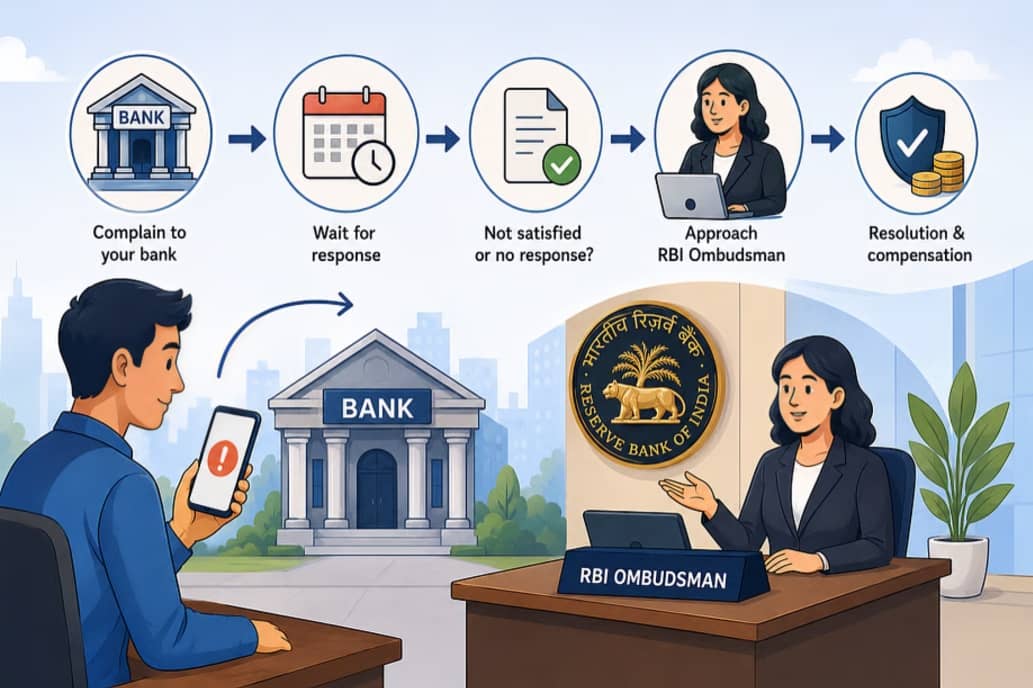
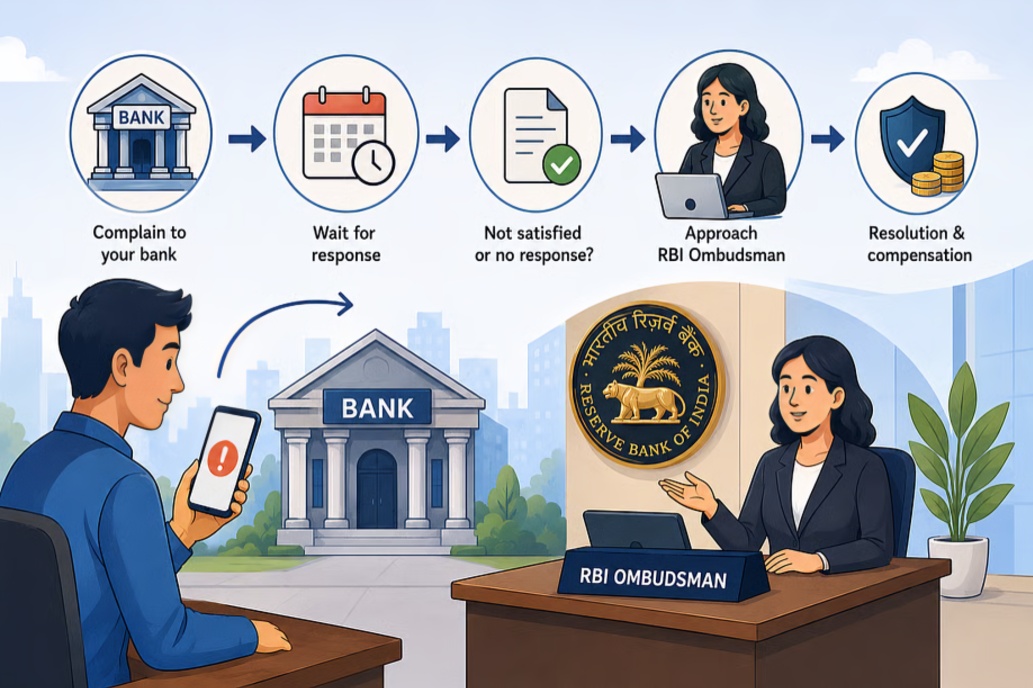
The Ombudsman Scheme provides an independent platform through which customers can seek resolution when they are dissatisfied with the response received from their bank or financial institution. Before approaching the Ombudsman, customers are generally expected to first submit their complaint directly to the concerned institution and allow the prescribed time for a response, in accordance with the scheme's provisions.
The Reserve Bank of India has stated that the revised framework aims to improve fairness, accountability and transparency in the handling of customer complaints. By strengthening the grievance redressal process, the central bank seeks to enhance confidence in India's financial system while encouraging regulated entities to maintain high standards of customer service.
The revised scheme also places greater emphasis on timely complaint resolution. Faster processing of grievances is expected to reduce delays and improve the overall experience for consumers seeking redressal. Financial institutions are encouraged to strengthen their internal complaint handling systems to resolve issues at the earliest possible stage.
Consumer protection has become an increasingly important area of focus as digital banking, electronic payments and online financial services continue to expand across India. The growing use of digital financial products has increased the need for efficient mechanisms to address disputes related to transactions, service deficiencies and customer rights.
Industry experts believe the updated Ombudsman Scheme will encourage greater accountability among banks and financial service providers while giving customers stronger legal and regulatory safeguards. The higher compensation limit may also encourage institutions to improve operational standards and customer service practices.
Customers are advised to familiarise themselves with the provisions of the revised scheme, including eligibility criteria, complaint procedures and applicable timelines. Understanding these guidelines can help consumers make effective use of the grievance redressal mechanism whenever disputes arise.
The RBI Ombudsman Scheme 2026 represents an important step in strengthening India's consumer protection framework within the financial sector. By expanding complaint coverage, increasing compensation limits and improving the efficiency of dispute resolution, the revised scheme aims to create a more transparent and customer focused financial system.