November 24, 2026
The Reserve Bank of India is considering a series of measures aimed at strengthening digital banking security and protecting customers from electronic payment fraud.
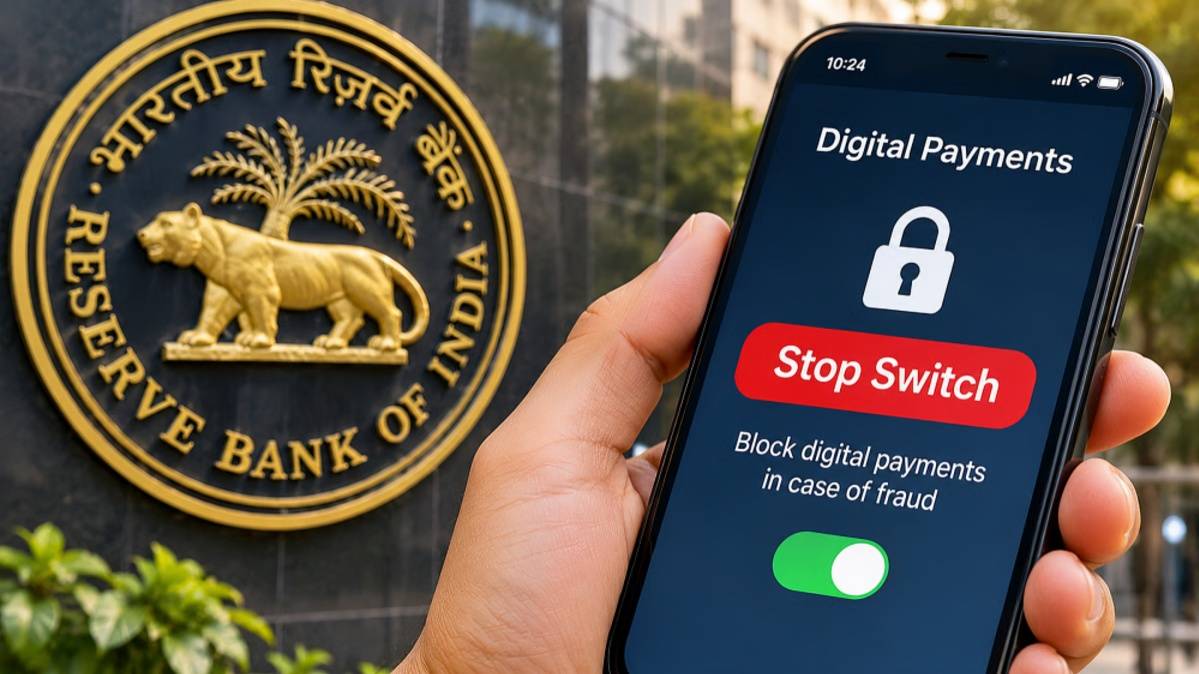
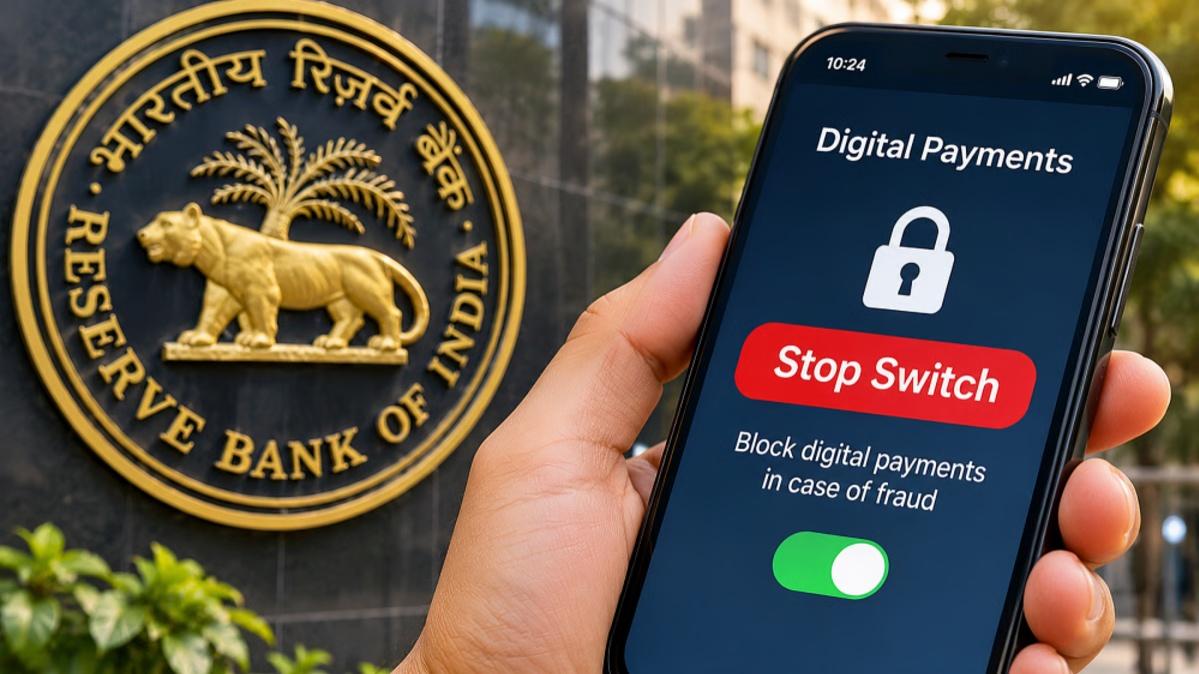
According to the supplied report, the proposed measures include an instant Stop Switch that would allow customers to suspend outgoing transactions, an additional verification mechanism involving a trusted individual and flexible digital payment limits.
The initiative forms part of broader efforts to improve preventive security mechanisms across India’s banking system and provide account holders with greater control over their financial transactions.
As digital payments become increasingly integrated into everyday financial activities, protecting customers from unauthorised transactions, phishing attacks and online financial scams remains an important priority for banking authorities.
The proposed safeguards could provide customers with additional tools to respond quickly to suspicious activities and reduce potential financial losses.
What Is the RBI’s Proposed Stop Switch?
One of the major features under consideration is an instant Stop Switch that could allow customers to suspend outgoing transactions from their bank accounts.
The proposed mechanism could be particularly useful when customers suspect unauthorised account access, fraudulent transactions or compromised banking credentials.
Instead of waiting for individual payment channels to be disabled, customers could potentially use a centralised security feature to restrict outgoing transactions.
Such a mechanism could help limit further financial losses when suspicious activity is detected.
However, the supplied report does not specify whether the Stop Switch would cover all debit transactions, including automatic payments, card transactions, UPI payments and scheduled bank transfers.
The activation process, reactivation requirements and availability across different banking channels would also require clarification through official RBI guidelines.
Trusted-Person Verification Could Provide Additional Security
The RBI is also considering an additional verification mechanism involving a trusted individual.
Under the proposed arrangement, certain transactions could potentially require an additional layer of verification involving a person designated by the account holder.
This mechanism could be particularly beneficial for customers who require additional assistance in identifying suspicious financial requests.
Senior citizens and individuals unfamiliar with digital banking platforms may find additional verification helpful when dealing with potentially fraudulent payment instructions.
However, the exact responsibilities of the trusted individual, transaction approval requirements and privacy safeguards have not been specified in the available report.
The final framework would need to ensure that customers retain appropriate control over their accounts while preventing unauthorised access to sensitive financial information.
Customers Could Receive Greater Control Over Payment Limits
Another important proposal involves introducing flexible and customisable digital payment limits.
The proposed feature could allow account holders to manage transaction limits according to their financial requirements and security preferences.
Customers may potentially be able to restrict the amount that can be transferred through particular digital payment channels.
Customisable limits could help reduce exposure to financial losses if banking credentials or payment applications are compromised.
Such controls could also support customers who prefer to maintain lower transaction limits for everyday payments while retaining flexibility for larger transactions when required.
However, the specific payment limits, eligible transaction categories and procedures for modifying these restrictions remain subject to official clarification.
Growing Importance of Digital Banking Security in India
India has witnessed significant growth in digital financial services, supported by mobile banking applications, internet banking, debit cards and the Unified Payments Interface.
These services have made financial transactions faster and more convenient for individuals and businesses.
However, the expansion of digital banking has also created opportunities for criminals to exploit customers through phishing messages, fraudulent calls, impersonation scams and malicious applications.
Fraudsters frequently attempt to obtain confidential banking information by misleading customers into sharing passwords, one-time passwords and payment authentication credentials.
Preventive security mechanisms can help customers respond more effectively when they identify suspicious activity.
The RBI’s proposed measures reflect the importance of strengthening customer protection alongside the continued expansion of digital financial services.
How the Proposed Measures Could Benefit Bank Customers
The proposed digital banking safeguards could provide several benefits if implemented effectively.
An instant Stop Switch could allow customers to restrict further outgoing transactions when fraudulent activity is suspected.
Trusted-person verification could introduce an additional security layer for eligible transactions, while customisable payment limits could help customers manage their exposure to financial risks.
Together, these measures could complement existing banking security systems, transaction alerts and customer authentication procedures.
However, their effectiveness would depend on the final regulatory framework, implementation by banks, customer awareness and the accessibility of the proposed features.
The Stop Switch would also not necessarily reverse transactions that had already been completed before activation.
Banks May Need to Strengthen Digital Infrastructure
Implementing the proposed safeguards could require banks and financial institutions to upgrade their existing digital banking infrastructure.
Banks may need to integrate additional security controls into mobile banking applications, internet banking platforms and transaction processing systems.
Reliable identity verification, secure account recovery procedures and effective customer support would be important components of the proposed framework.
Financial institutions would also need to ensure that emergency transaction restrictions do not create unnecessary difficulties for customers seeking access to essential banking services.
Clear communication regarding the activation and deactivation of security features would help customers understand how to use them effectively.
Customers Should Continue Following Safe Banking Practices
While the proposed measures could strengthen digital banking security, customers should continue following existing precautions to protect their financial information.
Bank customers should avoid sharing one-time passwords, UPI PINs, internet banking passwords and card security details with unauthorised individuals.
Suspicious messages, unknown payment requests and links claiming to represent banks should be treated with caution.
Customers who identify unauthorised transactions should immediately contact their bank through official customer support channels.
Victims of financial cyber fraud in India can also report incidents through the national cybercrime helpline number 1930 or the National Cyber Crime Reporting Portal.
Prompt reporting may help authorities and financial institutions respond to fraudulent transactions and potentially prevent further losses.
When Will the RBI’s New Digital Banking Features Become Available?
The Stop Switch, trusted-person verification and customisable payment limits remain proposed measures, according to the supplied report.
No confirmed implementation date, final regulatory framework or detailed operational guidelines have been provided in the available information.
The Reserve Bank of India may issue further instructions outlining the responsibilities of banks, customer eligibility and technical requirements if the proposals progress towards implementation.
Until official directions are issued, customers should continue using the existing security features available through their respective banks.
The proposed measures represent a potential step towards strengthening digital banking security, improving customer protection and building greater confidence in India’s financial ecosystem.
Key Features of the Proposed RBI Digital Banking Security Framework
| Proposed Feature | Expected Purpose |
| Instant Stop Switch | Suspend outgoing transactions during suspected fraud |
| Trusted-Person Verification | Provide an additional transaction verification layer |
| Customisable Payment Limits | Allow customers to manage digital transaction limits |
| Customer Account Protection | Reduce exposure to unauthorised transactions |
| Preventive Security Measures | Strengthen digital banking fraud prevention |
| Implementation Date | Not yet confirmed in the supplied report |
| Regulatory Status | Proposed measures |