India and the United States have reached a difficult stage in their negotiations for a bilateral trade agreement, with Finance Minister Nirmala Sitharaman saying the talks have reached a plateau and that further concessions from either side could be very difficult.
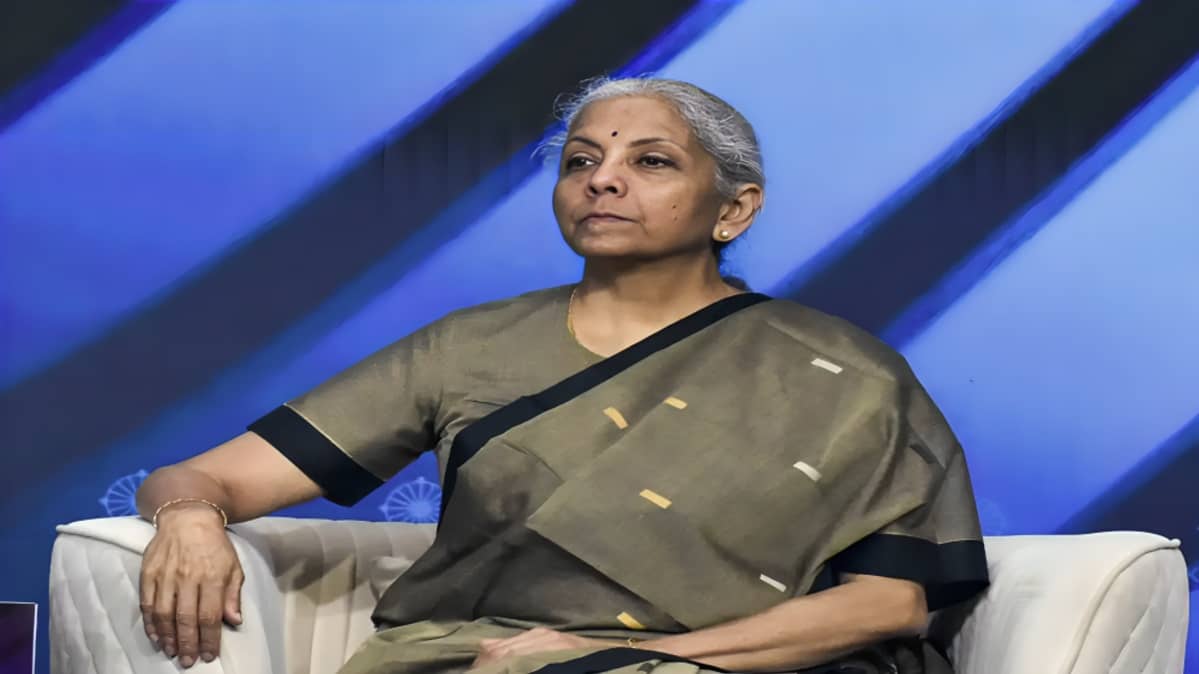
Sitharaman made the remarks on October 5 while speaking at the Munich Leaders Meeting in New Delhi. She stressed that negotiations between the two countries are still continuing and described the agreement as a hard and rigorously negotiated process. Her comments indicate that the two sides are still looking for possible areas of compromise, even as the scope for additional concessions appears limited.
The India US bilateral trade agreement has been under negotiation since February 2025. The discussions are aimed at strengthening economic ties between the two countries and resolving several long-standing issues related to market access, tariffs and trade.
According to Sitharaman, both sides have now reached a point where giving or taking additional concessions could be particularly challenging. However, she did not say that the negotiations had ended. Instead, she indicated that if there is still some room for both countries to adjust their positions, negotiators could continue to work within that space.
One of the major issues highlighted by the Finance Minister is the trade balance between India and the United States. India currently runs a trade surplus with the US, meaning that the value of India's exports to the US is higher than its imports from the country.
Sitharaman said the trade balance is an important feature of the economic relationship and acknowledged that the United States would naturally want to reduce the imbalance. The issue has been an important part of the broader discussions as Washington seeks greater access to the Indian market and a more balanced trading relationship.
The United States is India's largest export destination. According to recent Indian government data cited by Reuters, India's goods exports to the US increased to about 42.79 billion dollars between April and August, compared with around 40.39 billion dollars during the same period a year earlier.
The negotiations have also taken place against a changing global trade environment. Tariffs have increasingly become an important policy tool for countries seeking to address trade imbalances and protect domestic industries.
Sitharaman said the traditional approach was for countries to use negotiations to highlight differences in trade relations and discuss how those differences could be corrected. She noted that tariffs were previously used within a defined negotiating framework, whereas their use has expanded in the current global environment.
The Finance Minister also argued that negotiations remain important even when countries have significant trade imbalances. She referred to India's trade deficit with China as an example, suggesting that trade differences should be addressed through dialogue and negotiation rather than relying only on tariff measures.
The comments come at a sensitive stage in India US trade relations. US Trade Representative Jamieson Greer said last week that a trade agreement with India was not imminent after meeting Commerce and Industry Minister Piyush Goyal. Greer said negotiators had identified a range of unresolved issues that still needed to be addressed.
Recent developments involving Russian oil have added another layer of complexity to the negotiations. India remains a major buyer of Russian crude oil, while new US legislation has created the possibility of higher tariffs on countries continuing significant purchases of Russian energy. This has increased the importance of energy security and trade policy in India's discussions with Washington.
For India, access to the US market is particularly important because the United States is a major destination for Indian exports across several sectors. These include engineering goods, pharmaceuticals, electronics, textiles, chemicals, gems and jewellery and other manufactured products.
For the United States, improving access to India's large consumer market remains an important objective. American businesses have been seeking greater opportunities in areas such as agriculture, manufacturing, technology and other sectors. The negotiations therefore involve several sensitive issues that require both sides to balance commercial interests with domestic economic priorities.
Sitharaman's comments also come as India continues to expand its trade relationships with other major economic partners. She highlighted the India European Union trade agreement as an example of how India has approached market access while protecting sensitive domestic sectors.
According to the Finance Minister, India opened about 92.5 percent of its tariff lines and around 97 percent of tariff value under the India EU agreement. The European Union, meanwhile, opened about 99 percent in value terms and around 97 percent of tariff lines, according to figures cited in her remarks.
The India EU agreement is expected to create additional market access for Indian exporters, particularly in labour-intensive sectors. Sitharaman specifically referred to footwear, textiles, toys and processed products, many of which are associated with micro, small and medium enterprises.
She said greater access to European markets could support higher exports and create employment opportunities in these sectors. The government has also highlighted the potential for the agreement to improve market access for Indian exporters and strengthen integration with European supply chains. Official government information says the agreement provides preferential access across a large share of tariff lines and trade value.
The Finance Minister further noted that bilateral trade agreements are becoming increasingly important as countries respond to changes in the global economic environment. She said multilateral institutions remain important, but their influence has weakened in some areas, encouraging countries to pursue more bilateral and regional arrangements.
For India, this shift means that trade negotiations with individual economic partners are becoming increasingly important for securing market access and strengthening supply chains. Agreements with the European Union and other markets can also help Indian exporters diversify their dependence on individual destinations.
The India US negotiations, however, remain unresolved. Sitharaman's description of the talks as having reached a plateau highlights the limited flexibility currently available to both sides. At the same time, her statement that negotiations are continuing leaves open the possibility that further discussions could identify areas where compromise is possible.
The next phase of the talks is therefore likely to depend on how India and the United States address unresolved market access questions, tariffs, trade imbalances and other sensitive issues. Both countries will need to balance the demands of their domestic industries with the broader objective of strengthening bilateral economic ties.
The latest comments do not amount to a formal end to the negotiations. Instead, they indicate that the agreement has entered a challenging phase in which additional concessions may be difficult to secure. The eventual outcome will depend on whether negotiators can find sufficient common ground without compromising key economic interests on either side.