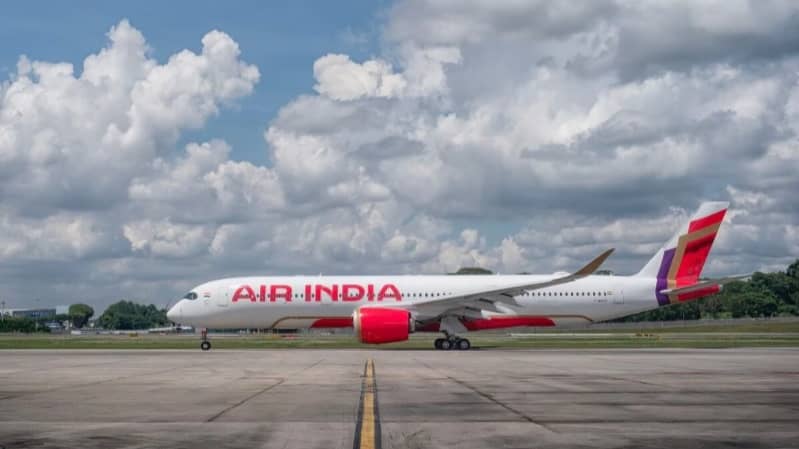
Air India is preparing to seek financial support from its stakeholders, Tata Group and Singapore Airlines, following a rise in losses for the financial year ending March 31. The development comes as the airline continues its efforts to stabilize operations and implement long term restructuring plans.
According to available information, the airline’s losses for the financial year have exceeded initial internal estimates. This has prompted the management to explore additional funding options to address financial challenges and support its ongoing transformation. The proposed funding is expected to play a key role in strengthening the airline’s balance sheet.
Since its acquisition by the Tata Group, Air India has been undergoing a comprehensive restructuring process. The focus has been on improving operational efficiency, upgrading services, and expanding its fleet. These efforts are part of a broader strategy to position the airline as a competitive player in the aviation sector.
Singapore Airlines, which holds a stake in the airline, is also expected to be involved in the funding discussions. The partnership between Tata Group and Singapore Airlines is seen as a significant factor in Air India’s transformation journey. Both stakeholders bring experience and expertise that can contribute to the airline’s growth.
The aviation industry has faced several challenges in recent years, including fluctuating fuel prices, global economic uncertainties, and increased competition. These factors have impacted the financial performance of airlines worldwide. For Air India, managing costs while investing in improvements remains a key priority.
The proposed funding support is likely to be used for multiple purposes, including debt management, fleet modernization, and enhancement of customer services. Strengthening financial resources is considered essential for sustaining operations and achieving long term goals.
Industry experts note that restructuring a large airline requires significant investment and time. While short term losses may occur during the transition phase, the focus remains on building a sustainable business model. The involvement of established stakeholders provides confidence in the airline’s ability to navigate challenges.
Air India’s efforts also include improving its route network and enhancing connectivity. By optimizing its operations and leveraging partnerships, the airline aims to increase efficiency and attract more passengers.
The decision to seek additional funding reflects a proactive approach to addressing financial challenges. It underscores the importance of strong backing from stakeholders in achieving organizational objectives.
As discussions continue, further details regarding the funding plan are expected to emerge. The outcome will be closely watched by industry observers, given its potential impact on the airline’s future direction.
The situation highlights the complexities involved in transforming a legacy airline into a competitive entity. With continued support from Tata Group and Singapore Airlines, Air India is expected to focus on long term growth and stability.