
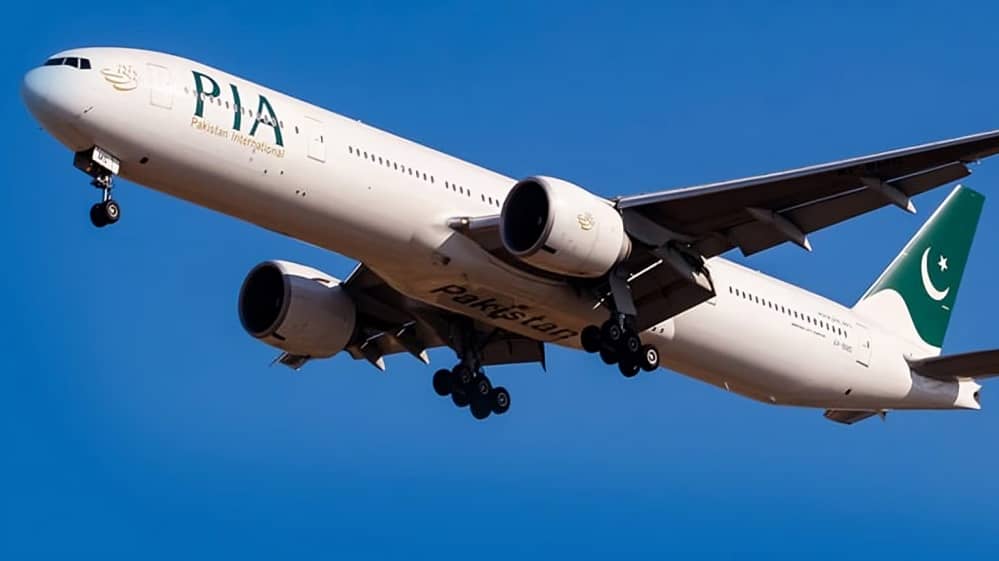
Islamabad: Air travel in Pakistan has become significantly more expensive after several airlines increased ticket prices in response to a sharp rise in aviation fuel costs. The increase has affected both domestic and international flights, placing additional financial pressure on passengers and raising concerns within the travel and tourism industry.
According to aviation sector officials, the recent surge in jet fuel prices has forced airlines to revise their fare structures. In some cases, ticket prices on popular domestic routes have reportedly increased to around 28000 Pakistani rupees depending on the route, travel time and availability.
Jet fuel is one of the largest operational expenses for airlines. When global fuel prices rise, aviation companies often adjust ticket prices in order to manage rising operating costs. Industry analysts say the current price increase reflects the financial pressure airlines are facing due to fuel market fluctuations.
Airlines operating in Pakistan have stated that the higher fuel prices have significantly increased their operating expenses. Apart from fuel costs, airlines also deal with other financial factors such as aircraft maintenance, airport charges and currency exchange fluctuations.
Officials within the aviation sector said that the fare revisions were introduced gradually across several routes. Domestic flights connecting major cities such as Karachi, Lahore and Islamabad have experienced some of the most noticeable increases.
Passengers traveling during peak travel periods may experience even higher ticket prices due to increased demand and limited seat availability. Travel agents have reported that some travelers are postponing trips or exploring alternative travel options due to the higher airfare.
The increase in ticket prices could also have implications for the tourism sector. Pakistan has been working to attract more domestic and international tourists in recent years by promoting cultural heritage sites, natural landscapes and adventure tourism.
Industry experts say that higher airfares could reduce travel demand if passengers find flights unaffordable. Domestic tourism may also be affected if travelers choose alternative modes of transportation such as trains or buses.
The aviation industry globally has been facing challenges related to rising fuel costs and supply chain disruptions. Many airlines across different countries have introduced surcharges or increased fares to cope with higher operational expenses.
In Pakistan, aviation authorities continue to monitor the situation as airlines adjust their pricing strategies. Officials say maintaining financial stability in the aviation sector is essential for ensuring reliable air connectivity across the country.
Travel industry representatives believe that if fuel prices stabilize in the coming months, airlines may reconsider their fare structures. However, if fuel costs continue to rise, airlines may need to maintain or further increase ticket prices to remain financially sustainable.
For passengers, the recent fare increase highlights the strong link between global energy markets and transportation costs. Aviation experts say that fluctuations in oil prices can quickly affect airline operations and travel affordability.
Authorities and industry stakeholders are closely watching fuel price trends to determine how the aviation sector in Pakistan will respond in the coming months.


