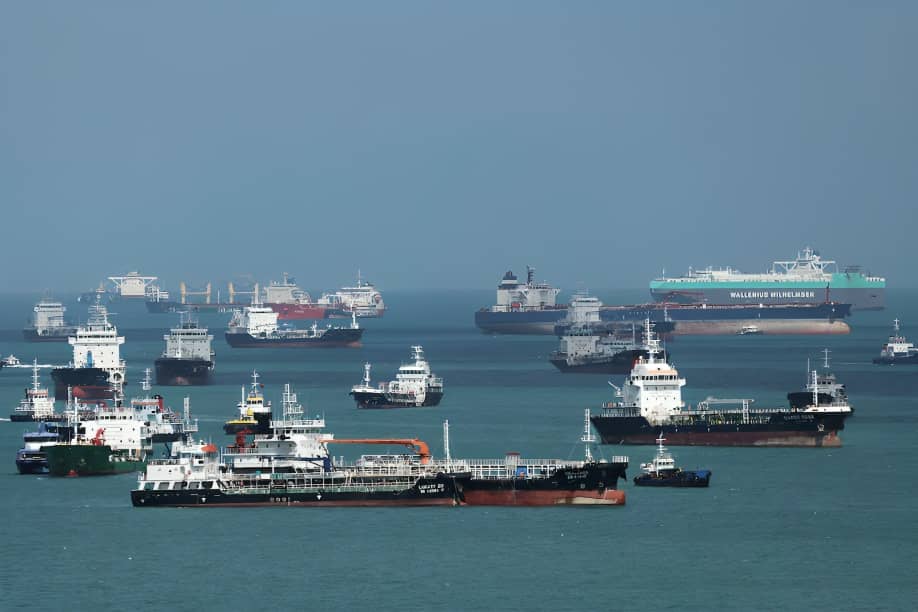
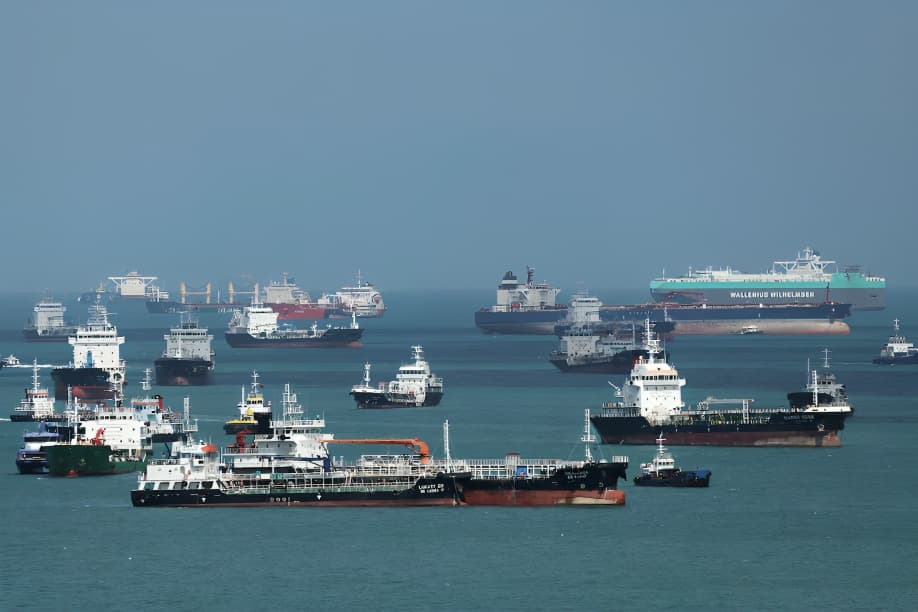
Global energy markets are witnessing a shift as countries in Asia are expected to import record volumes of fuel oil from Russia during the month of March. The development comes amid ongoing supply disruptions and geopolitical tensions in the Middle East, which have affected traditional energy supply routes.
Fuel oil is widely used for power generation, shipping and industrial purposes, making it a critical component of the global energy mix. Any disruption in supply can lead to price volatility and force countries to seek alternative sources to meet demand. In this context, Russian fuel oil has emerged as a key option for several Asian economies.
Analysts note that geopolitical developments in the Middle East have created uncertainty in energy markets. Disruptions to supply chains, along with concerns over shipping routes, have contributed to changes in trade patterns. As a result, buyers in Asia are increasingly turning to Russia to secure stable and cost effective supplies.
Russia has remained a significant exporter of energy products, including crude oil and refined fuels. In recent years, it has expanded its presence in Asian markets, particularly after shifts in global trade dynamics. Competitive pricing and availability have made Russian fuel oil an attractive choice for importers.
The increase in imports is also influenced by seasonal demand patterns. During certain periods, energy consumption rises due to industrial activity and power generation needs. Countries often adjust their sourcing strategies to ensure sufficient supply and manage costs effectively.
Experts point out that the shift towards Russian imports highlights the flexibility of global energy markets. When disruptions occur in one region, trade flows tend to adjust as buyers and sellers seek new opportunities. This dynamic helps maintain overall supply, although it may lead to changes in pricing and logistics.
However, the trend also raises questions about long term energy security and diversification. Relying heavily on a single source can create vulnerabilities, especially in a complex geopolitical environment. Policymakers and industry stakeholders are likely to monitor these developments closely.
For countries like India, which are major energy consumers, managing import strategies is a critical aspect of economic planning. Balancing cost efficiency with supply security remains a key priority.
The evolving situation underscores the interconnected nature of global energy markets. Events in one region can have far reaching effects, influencing trade patterns and economic conditions worldwide.
As the month progresses, actual import figures will provide a clearer picture of the extent of the increase. Market participants are expected to continue tracking geopolitical developments and their impact on energy supply and demand.