
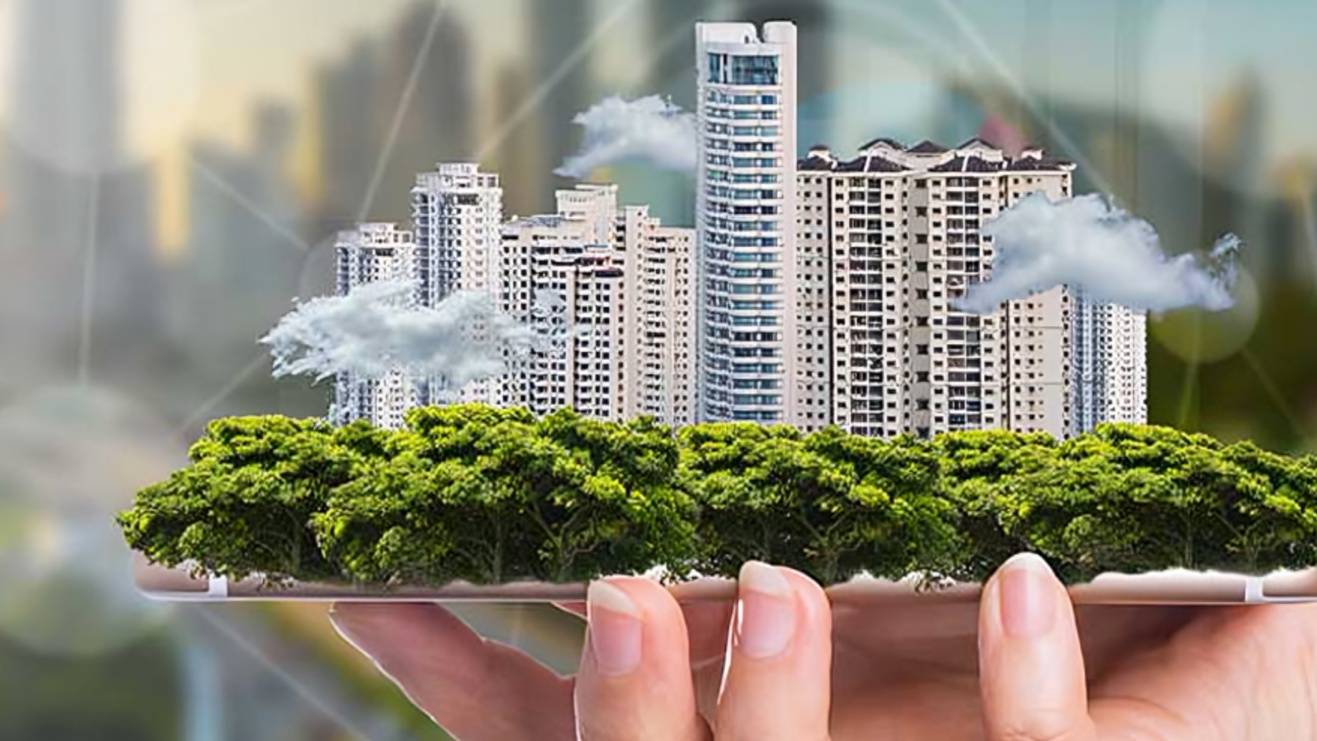
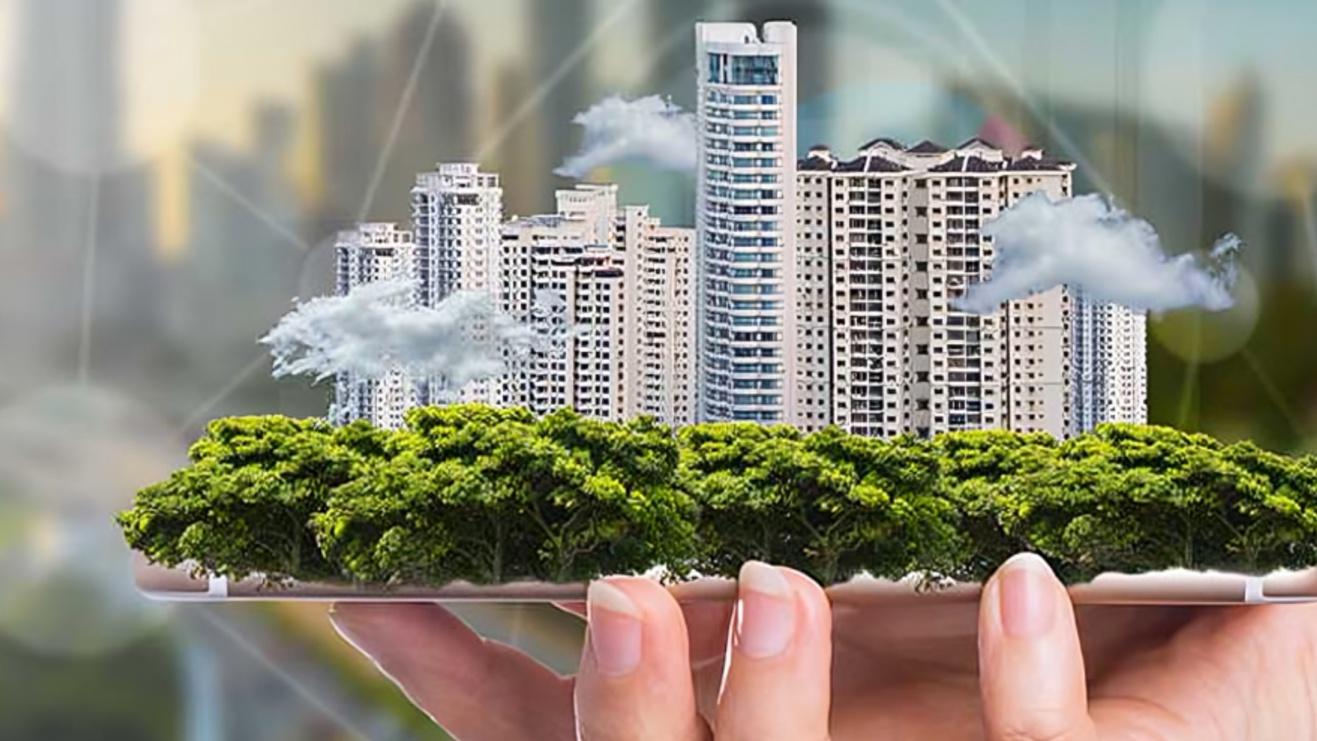
Beyond Smart Homes: How Smart City Projects Are Transforming Urban Real Estate
Urban real estate is undergoing a major transformation as cities increasingly adopt smart technologies and integrated infrastructure. The focus of modern residential development is gradually moving beyond individual smart homes towards connected communities that provide a wide range of facilities and services. Smart city projects are playing an important role in this transition by bringing together technology, transport, healthcare, education, public spaces and sustainable infrastructure.
Traditionally, residential property development focused primarily on the home itself. Buyers often considered factors such as location, construction quality, price and the availability of basic amenities. However, changing lifestyles and growing urban populations have expanded these expectations. Homebuyers are increasingly interested in the overall living environment, including connectivity, access to essential services, safety and recreational opportunities.
From Smart Homes to Connected Communities
Smart homes use digital technologies to improve convenience, security and energy management within individual properties. Features such as automated lighting, smart security systems, remote-controlled appliances and energy monitoring have become increasingly popular in modern residential projects.
However, smart city development takes this concept further. Instead of limiting technology to individual buildings, it aims to improve the functioning of entire neighbourhoods and urban areas.
Connected communities can integrate digital infrastructure with public transport, road networks, waste management, water supply, electricity distribution and public safety systems. These facilities are designed to make everyday activities more convenient while improving the efficiency of urban services.
For residents, this approach can mean better access to workplaces, schools, hospitals, shopping centres and recreational facilities. The emphasis is on creating neighbourhoods where essential services are accessible without requiring long journeys.
Infrastructure Is Becoming a Key Factor in Property Demand
Infrastructure development is one of the major factors influencing urban real estate markets. Improved roads, metro rail networks, public transport systems and digital connectivity can make previously less accessible areas more attractive for residential and commercial development.
Smart city projects often involve improvements to public infrastructure, including integrated transport systems, better street lighting, efficient traffic management and improved public spaces.
These developments can influence property demand by improving the convenience and accessibility of neighbourhoods. Areas with reliable transport links and access to essential services may attract homebuyers, businesses and investors.
However, infrastructure development does not automatically guarantee higher property prices or investment returns. Factors such as employment opportunities, housing supply, affordability, construction quality and local economic conditions also influence real estate performance.
Residential Communities Designed for Every Stage of Life
Another important change in urban real estate is the growing emphasis on creating residential environments that support families throughout different stages of life.
Young professionals may prioritise connectivity to workplaces, public transport, fitness facilities and social spaces. Families with children may look for access to schools, healthcare centres, parks and safe recreational areas.
Senior citizens may place greater importance on accessible buildings, nearby medical facilities, walking spaces and community support services.
Modern residential developments are increasingly attempting to accommodate these different requirements through integrated amenities and better neighbourhood planning.
Facilities such as community centres, landscaped gardens, walking tracks, children's play areas, sports facilities and healthcare services can help create more inclusive residential environments.
The objective is to provide residents with access to facilities that support their changing needs without requiring them to relocate frequently.
Technology and Sustainability in Urban Development
Technology is becoming an essential part of smart city planning. Digital systems can help monitor traffic movement, manage public utilities, improve waste collection and support more efficient use of energy and water.
Smart electricity grids, water monitoring systems, intelligent street lighting and digital public service platforms are examples of technologies that can improve urban management.
Sustainability is another important element of modern city development. As urban populations increase, cities face growing challenges related to pollution, water consumption, waste generation and energy demand.
Developers and urban planners are therefore giving greater attention to green buildings, rainwater harvesting, wastewater treatment, renewable energy and energy-efficient construction.
Green spaces and pedestrian-friendly streets can also contribute to healthier urban environments. Well-planned parks and open spaces provide recreational opportunities while improving the overall appeal of residential neighbourhoods.
Opportunities and Challenges for the Real Estate Sector
The expansion of smart city infrastructure creates opportunities for residential developers, commercial property owners and infrastructure companies. Better connectivity and improved public services can support the development of new residential areas, office spaces, retail centres and mixed-use projects.
Developers may also find opportunities to differentiate their projects by offering integrated facilities and technology-enabled services.
At the same time, smart city development faces several challenges. Large infrastructure projects require significant investment, effective coordination between government agencies and private developers, and long-term maintenance.
Digital infrastructure also needs reliable cybersecurity measures and data protection systems. Without proper planning, technology-based urban services may create additional operational costs or unequal access among different sections of the population.
Affordability remains another major concern. Improved infrastructure and premium amenities can increase development costs, potentially making some residential projects inaccessible to middle-income households.
Urban planners and developers must therefore balance technological advancement with affordability, accessibility and inclusive growth.
The Future of Urban Real Estate
The future of urban real estate is likely to be influenced by the combined development of housing, infrastructure, technology and community facilities. Buyers are increasingly evaluating not only the features of a property but also the quality of the surrounding neighbourhood.
Smart city projects can support this shift by encouraging integrated planning and improving access to essential services. However, their long-term success will depend on effective implementation, sustainable funding and the ability to meet the needs of diverse communities.
As cities continue to expand, the concept of a modern home is evolving. The focus is no longer limited to owning a technologically advanced house. It increasingly includes living in a well-connected, accessible and sustainable community that can support families through different stages of life.


