

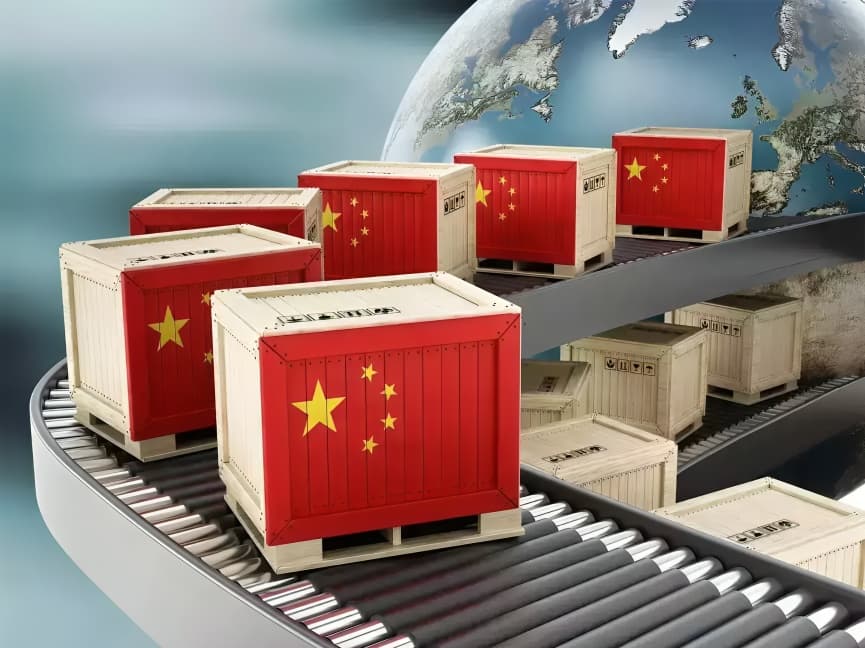
China has reported a record trade surplus of $1.2 trillion in 2025, reflecting a year-on-year increase of around 20 percent. The milestone underscores China’s continued strength as a global manufacturing and export powerhouse, even amid shifting trade dynamics and geopolitical challenges.
According to official trade data, the surplus was supported by a strong surge in exports during the final months of the year. Chinese manufacturers accelerated shipments to several global markets, helping offset a noticeable decline in exports to the United States. The drop in shipments to the US was largely attributed to tariffs and ongoing trade restrictions, which have reshaped trade flows between the two economies.
Despite reduced access to the US market, China managed to expand its presence in regions such as Southeast Asia, Europe, Africa, and parts of Latin America. Analysts note that Chinese exporters have diversified their destinations, allowing the country to maintain export growth even under external pressure. Additionally, competitive pricing, large-scale production capacity, and government support measures have helped sustain export momentum.
The record surplus also reflects relatively weaker import growth, driven by subdued domestic demand and lower global commodity prices. As imports grew at a slower pace than exports, the trade gap widened significantly. Economists say this imbalance has drawn increased attention from trading partners, many of whom are concerned about the impact on their own manufacturing sectors.
For India, China’s growing trade surplus carries several implications. On one hand, it highlights the intense competition Indian manufacturers face in global markets, particularly in sectors such as electronics, machinery, chemicals, and consumer goods. On the other hand, it reinforces the urgency of India’s efforts to strengthen domestic manufacturing through initiatives like Make in India and production-linked incentive schemes.
Trade experts suggest that India could benefit by positioning itself as an alternative manufacturing hub, especially as global companies seek to diversify supply chains away from excessive reliance on China. However, achieving this will require improvements in infrastructure, logistics, ease of doing business, and skill development.
India’s trade relationship with China remains complex, with a significant trade deficit on the Indian side. Policymakers are closely monitoring China’s export-driven growth model and its impact on global trade balances. The latest data may prompt renewed discussions on trade remedies, import diversification, and export promotion strategies.
As global trade patterns continue to evolve, China’s record surplus in 2025 serves as a reminder of its economic scale and adaptability. For India, the challenge lies in turning these global shifts into opportunities while strengthening competitiveness in both domestic and international markets.


