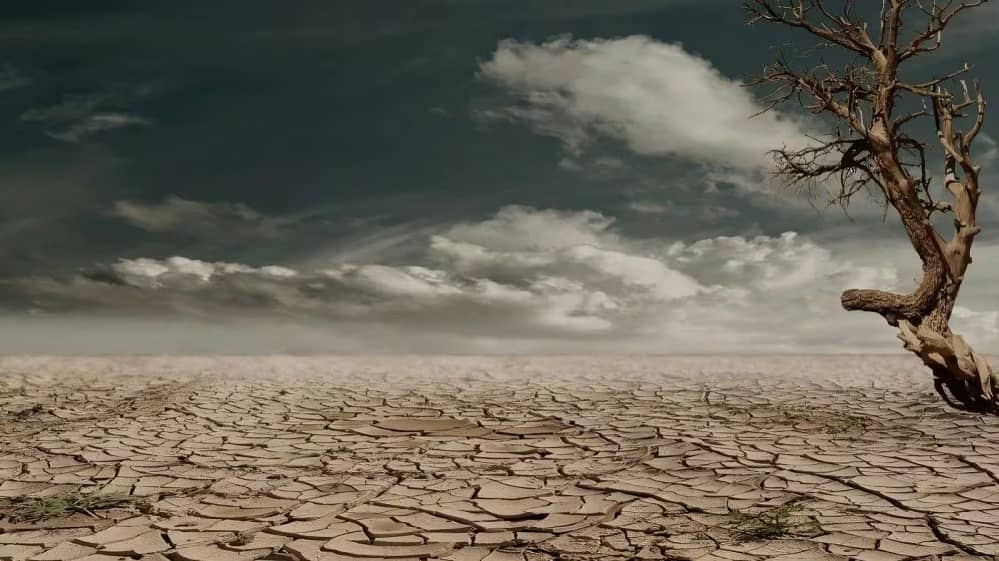
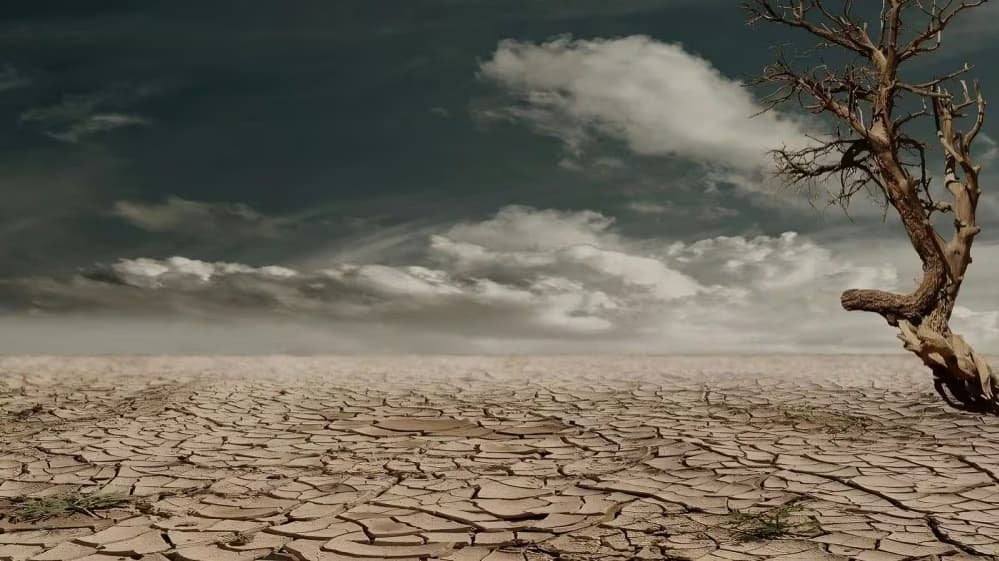
India agricultural sector is facing growing concerns due to a combination of factors including expected below normal monsoon rainfall El Nino conditions and geopolitical tensions in West Asia. These elements together may impact crop production farm income and overall food price stability in the coming months.
The monsoon plays a crucial role in Indian agriculture particularly for kharif crops which depend heavily on rainfall. Any shortfall in rainfall can directly affect sowing activities leading to lower crop output. Early forecasts suggest that rainfall in some regions may remain below average raising concerns among farmers and policymakers.
El Nino a climatic phenomenon associated with warming of ocean surface temperatures in the Pacific Ocean is known to influence weather patterns across the world. In India it is often linked with weaker monsoon rainfall. The presence of El Nino conditions this year has increased uncertainty regarding the performance of the monsoon season.
A reduction in rainfall can have a cascading effect on the agricultural economy. Lower crop yields can lead to reduced income for farmers affecting their purchasing power and financial stability. It can also impact supply chains resulting in higher food prices which in turn influence overall inflation.
In addition to weather related challenges geopolitical tensions in West Asia are also being closely watched. The region is a key source of crude oil and fertilizers which are important for agricultural operations. Any disruption in supply or increase in prices can add to the cost burden for farmers. Higher input costs combined with uncertain crop output can create additional pressure on the sector.
Experts note that the combined impact of these factors could affect not only agriculture but also the broader economy. Agriculture remains a significant contributor to employment and rural income in India making it a critical sector for economic stability.
To address these challenges authorities are likely to focus on contingency planning and support measures. This may include ensuring the availability of irrigation facilities promoting efficient water management and providing financial assistance to farmers if required.
The government and related agencies are also expected to monitor price trends closely to manage inflationary pressures. Maintaining adequate buffer stocks of essential commodities could help stabilize markets in case of supply disruptions.
Farmers on their part may need to adapt to changing conditions by selecting crops that are more resilient to variations in rainfall. Adoption of modern agricultural practices and technology can also play a role in mitigating risks.
The situation highlights the importance of preparedness and proactive measures in managing uncertainties in agriculture. While challenges remain the focus will be on minimizing the impact and ensuring stability in the sector.
As the monsoon season progresses and global developments unfold more clarity is expected on the extent of the impact. Stakeholders across the agricultural value chain will continue to monitor the situation and respond accordingly.