Centre Extends Cotton Import Duty Relief Until December 31, 2026
The Central Government has extended the customs duty exemption on cotton imports by another two months, providing additional relief to India's textile and garment manufacturing sector. Under the revised deadline, the exemption will remain in force until December 31, 2026. The earlier deadline was October 31, 2026.
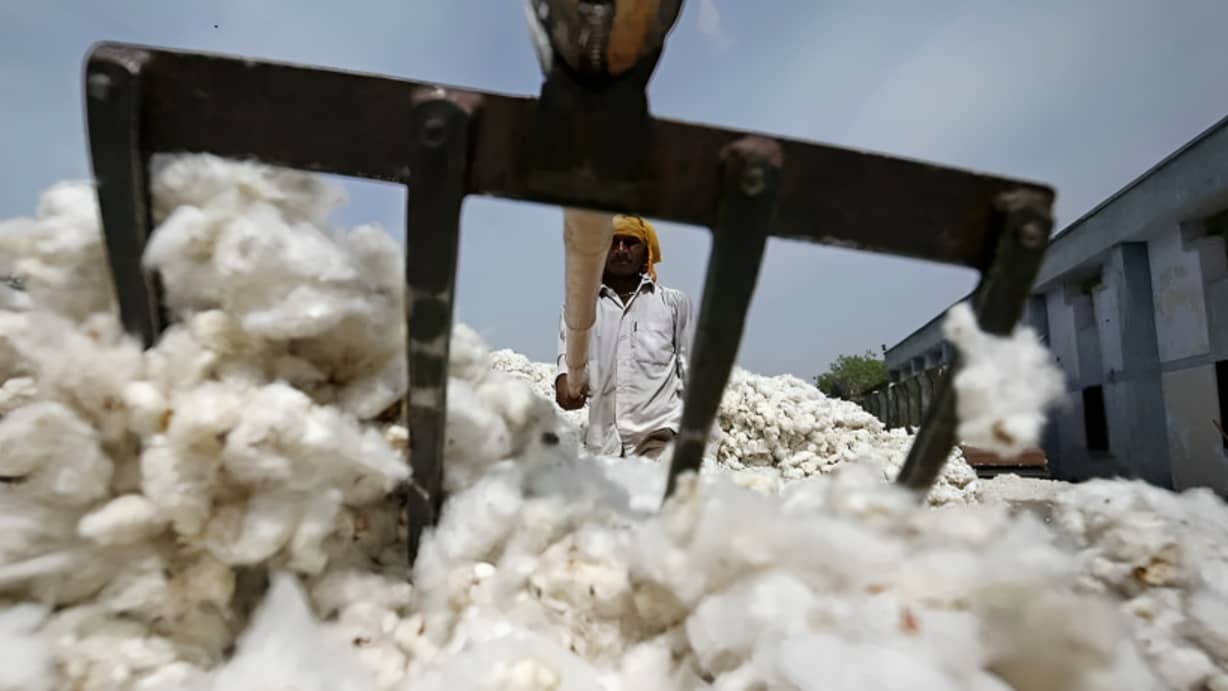
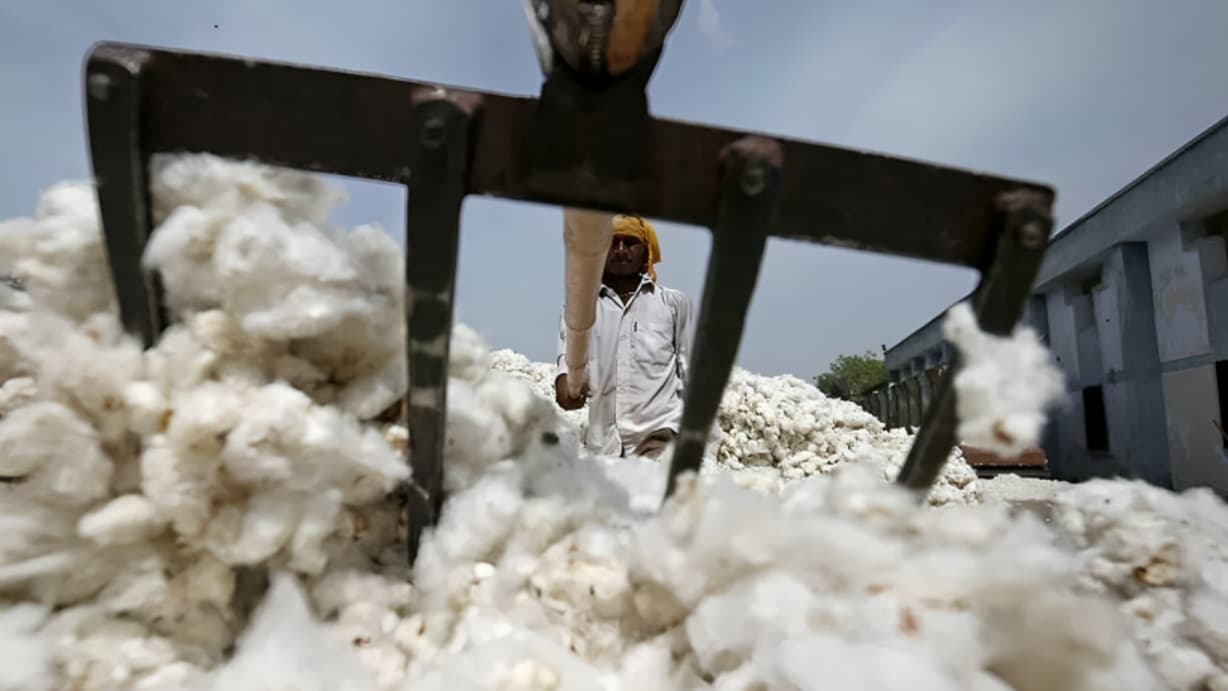
The extension is expected to help textile manufacturers access imported cotton and manage raw material costs. Cotton is one of the most important inputs for India's textile industry, which includes spinning mills, weaving units, garment manufacturers and several other businesses involved in fabric production.
The decision gives manufacturers additional time to plan their cotton purchases and imports under the exemption. It is also aimed at supporting the availability of raw cotton in the domestic market.
Why Was the Cotton Import Duty Exemption Extended?
Cotton prices and availability have a direct impact on the operating costs of textile companies. When domestic supplies are limited or raw material prices increase, manufacturers may face higher production expenses.
The government had introduced the temporary customs duty exemption to improve access to cotton imports and provide relief to businesses that depend on the commodity. The exemption was initially scheduled to end on October 31, 2026.
With the deadline approaching, the Centre decided to extend the measure until December 31. The additional two months are expected to provide greater flexibility to manufacturers when sourcing cotton from international markets.
The Finance Ministry issued the revised notification on October 30, 2026, through Notification No. 35/2026-Customs, amending the earlier notification dated May 30, 2026.
Textile and Garment Manufacturers May Benefit
The extension is expected to benefit cotton-based industries, particularly textile mills and garment manufacturers. These businesses require a consistent supply of cotton to maintain production and meet orders.
Small and medium-sized textile enterprises may also benefit from the continued exemption. For such businesses, raw material expenses represent an important part of overall production costs. Access to imported cotton without the applicable customs duty burden during the exemption period may help them manage procurement expenses.
The textile sector has several stages of production, including ginning, spinning, weaving, knitting, dyeing, processing and garment manufacturing. Changes in cotton prices can affect costs across this entire supply chain.
The extended exemption may therefore provide some relief to businesses involved in different stages of cotton-based production. However, the actual savings will depend on international cotton prices, import quantities, transportation costs and other market factors.
Possible Impact on Cotton Prices
The extension could influence cotton availability and purchasing decisions in the domestic market. Allowing manufacturers to continue importing cotton under the exemption may increase their sourcing options.
However, the decision does not guarantee an immediate fall in domestic cotton prices. Prices are influenced by several factors, including domestic production, international demand, weather conditions, crop availability, currency movements and transportation expenses.
The impact of the extension will become clearer as manufacturers make use of the additional import period and market conditions develop.
What Does the Extension Mean for Consumers?
The decision may have an indirect impact on consumers because cotton is widely used in clothing, bedsheets, towels and other household textile products.
If manufacturers are able to reduce their raw material expenses, some of the savings could potentially benefit consumers through more competitive prices. However, retail prices are also affected by labour, electricity, manufacturing, packaging, transportation and distribution costs.
Therefore, the extension should not be viewed as a guarantee that clothing or other cotton-based products will become cheaper immediately.
New Deadline and What Happens Next
The revised customs duty exemption deadline is December 31, 2026. Textile manufacturers can plan eligible cotton imports during the extended period, subject to the applicable customs rules and conditions.
The extension is a continuation of the temporary relief measure and does not automatically mean that the exemption will remain in force beyond December 31. Any further extension would depend on a separate government decision.
Overall, the Centre's decision to extend cotton import duty relief by two months is intended to support the textile industry by improving access to raw materials and easing cost pressures. Manufacturers will now have additional time to plan their imports and production requirements before the revised deadline.