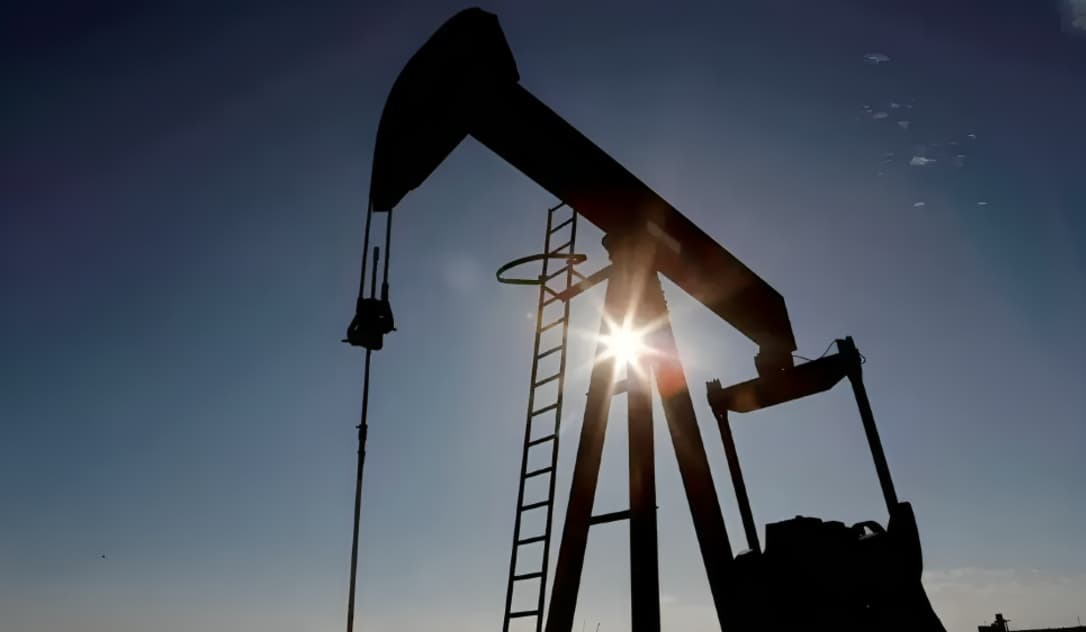

Global oil markets are facing renewed uncertainty as crude prices move closer to 90 dollars a barrel amid concerns over disruptions in major shipping routes in the Middle East.
The latest rise has been driven largely by increasing concerns surrounding the Strait of Hormuz and the Red Sea. Both waterways are important routes for global energy transportation, and prolonged disruption could create additional pressure on crude supplies and prices.
On August 12, Brent crude rose close to the 90 dollar mark after reported attacks on vessels in the Strait of Hormuz and the Bab el Mandeb Strait. Reuters reported that Brent crude increased by around 90 cents to 89.81 dollars a barrel, while US West Texas Intermediate crude rose to approximately 84.08 dollars.
The market reaction reflects growing concerns that geopolitical tensions could interfere with the movement of crude oil and other energy products.
Energy expert Peter McGuire has warned that uncertainty remains a dominant factor in the oil market. According to comments reported by Times Now Digital, the possibility of crude prices moving significantly higher cannot be ignored if disruptions continue.
The prospect of oil reaching 100 dollars a barrel has therefore returned as a major concern for energy markets.
Strait of Hormuz Remains Critical
The Strait of Hormuz is one of the world's most important energy corridors. A significant volume of crude oil and petroleum products normally passes through the waterway every day.
Any prolonged disruption can therefore have consequences well beyond the Middle East.
Recent reports indicate that vessel traffic through the Strait of Hormuz has fallen sharply compared with normal levels. Reuters reported that only eight vessel transits were recorded, compared with pre-war levels of roughly 125 to 140 daily transits.
This decline has increased concerns among traders and energy companies about the availability and movement of crude supplies.
The situation has also been affected by uncertainty surrounding diplomatic efforts between the United States and Iran.
Markets had been watching negotiations closely because any agreement that improves security and allows shipping through the Strait of Hormuz to resume normally could reduce the risk premium attached to oil prices.
However, continued uncertainty has kept traders cautious.
Red Sea Risks Add to Market Pressure
The Red Sea is another important shipping corridor facing security concerns.
Recent attacks involving vessels in the region have raised concerns about the safety of commercial shipping. Any disruption to shipping routes can increase transportation costs and extend delivery times for crude oil and other commodities.
The combination of problems in the Strait of Hormuz and the Red Sea has therefore created an additional layer of uncertainty for global energy markets.
Oil prices have responded accordingly.
Brent crude, the international benchmark, has moved closer to 90 dollars as traders assess the possibility of longer lasting supply disruptions. Reports on August 12 indicated that Brent had risen above 89 dollars and briefly moved around the 90 dollar level.
Why 100 Dollar Oil Matters
A sustained move toward 100 dollars per barrel could have significant economic consequences.
Higher crude prices generally increase the cost of producing and transporting goods. Countries that import large quantities of crude may face additional pressure on their trade balances, inflation levels and domestic fuel markets.
For consumers, higher international crude prices can eventually affect petrol, diesel, aviation fuel and other petroleum products, although the final impact varies between countries because of taxes, currency movements, refining costs and government policies.
Businesses can also face higher transportation and operating costs when fuel prices increase.
For oil importing economies, the possibility of crude reaching 100 dollars is therefore closely watched by policymakers and financial markets.
Market Volatility Remains High
Despite the geopolitical risks, oil prices are not determined by supply concerns alone.
Global demand, inventories, production levels and economic growth also influence crude prices.
Recent US inventory data provided a mixed signal. Reuters reported that the American Petroleum Institute estimated a significant increase in US crude inventories, although gasoline and distillate inventories declined. If confirmed by official data, higher crude stocks could provide some relief to supply concerns.
This demonstrates why oil markets remain highly sensitive to new information.
A major increase in inventories could put downward pressure on prices, while a prolonged disruption in Middle Eastern exports could push them higher.
Geopolitical Risk Premium
One of the key factors currently supporting oil prices is the geopolitical risk premium.
Traders tend to price in the possibility of future supply problems when major producing regions face conflict or shipping disruptions.
Even before an actual shortage occurs, concerns about future availability can increase crude prices.
The current situation around the Strait of Hormuz has therefore become an important factor in determining the direction of oil markets.
MUFG Bank noted on August 12 that oil prices were extending their rally as uncertainty continued over the reopening of the Strait of Hormuz.
Implications for India
India is one of the world's major crude oil importers, making international oil prices particularly important for the country's economy.
A prolonged increase in crude prices could increase the country's import bill and place pressure on the broader economy.
Currency movements can also influence the domestic impact of higher crude prices. If the Indian rupee weakens against the US dollar while crude prices rise, the cost of importing oil can increase further.
However, changes in global crude prices do not automatically translate into immediate changes in retail fuel prices.
Domestic fuel prices are influenced by several factors, including international crude prices, refining costs, taxes, currency exchange rates and pricing decisions.
Therefore, consumers should not assume that crude moving toward 90 or 100 dollars automatically means petrol and diesel prices will increase by a specific amount.
What Could Push Oil Toward 100 Dollars
Several developments could potentially push crude prices toward the 100 dollar level.
A prolonged closure or major restriction of the Strait of Hormuz would be one of the most significant risks.
Further attacks on commercial shipping could also increase insurance and transportation costs and discourage vessels from using important routes.
Another factor would be a reduction in oil production or exports from major Middle Eastern producers.
If supply disruptions occur at the same time as strong global demand, the resulting imbalance could place substantial upward pressure on prices.
On the other hand, a successful diplomatic agreement, restoration of normal shipping traffic and increased production from other suppliers could reduce the pressure.
Investors Watching Diplomatic Developments
Financial markets are closely monitoring developments between the United States and Iran.
Any indication of progress toward an agreement could reduce concerns about supply disruptions and potentially bring oil prices lower.
Conversely, further deterioration in relations could increase the risk premium and push crude higher.
The market is therefore responding not only to current supply conditions but also to expectations about what could happen next.
This makes oil particularly volatile during periods of geopolitical uncertainty.
Outlook Remains Uncertain
The immediate outlook for crude oil remains difficult to predict.
Brent's move toward 90 dollars shows that traders are increasingly concerned about supply risks, but reaching 100 dollars would likely require a further deterioration in supply conditions or a prolonged disruption.
Current market conditions remain influenced by several competing factors.
Geopolitical tensions are pushing prices higher, while higher inventories and concerns about global demand could limit the increase.
The balance between these forces will determine whether crude remains near 90 dollars or moves substantially higher.
For consumers and businesses, the key issue is whether the current disruptions remain temporary or become prolonged.
If shipping routes return to normal and diplomatic efforts make progress, some of the recent risk premium could disappear.
However, if disruptions continue, oil markets could face additional upward pressure.
Peter McGuire's warning about the possibility of higher oil prices reflects the uncertainty currently facing global energy markets.
For now, crude oil remains close to 90 dollars a barrel, while the possibility of 100 dollar oil is again being discussed by market participants.
The coming days will be closely watched for developments around the Strait of Hormuz, Red Sea shipping routes, US Iran negotiations, global inventories and crude production.
Any major change in these factors could quickly alter the direction of oil prices.