
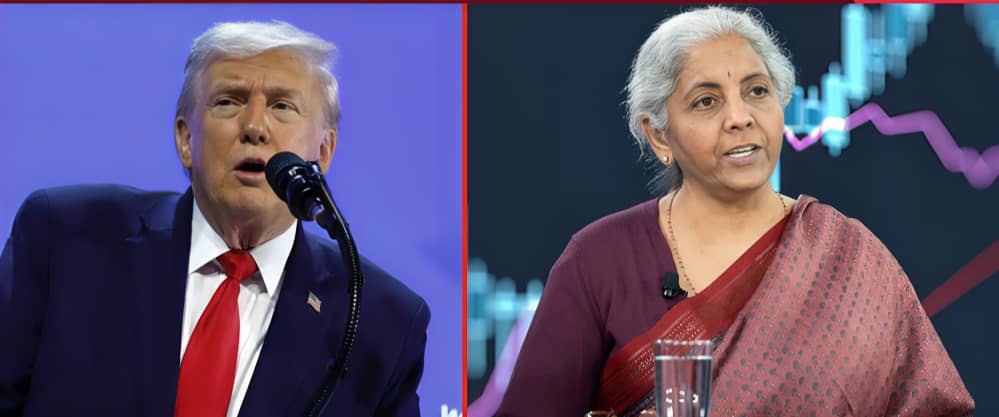
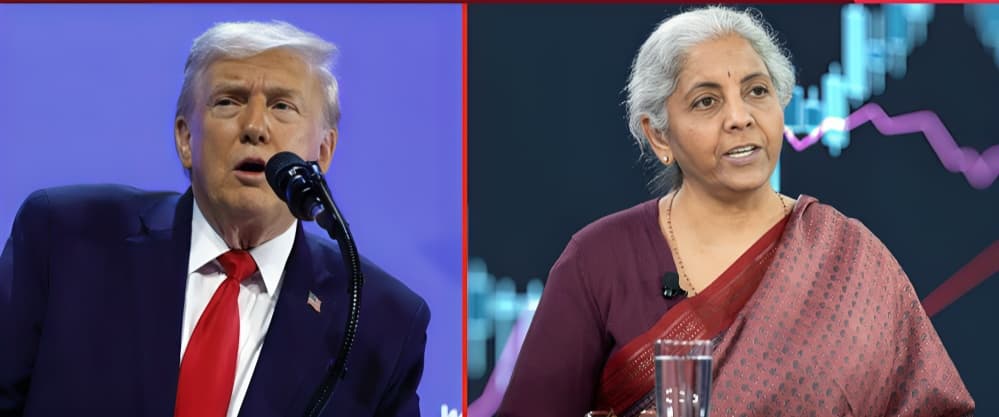
Union Finance Minister Nirmala Sitharaman has stated that it is too early to determine how recent changes in US tariff policy might affect India’s economy. Speaking after the Reserve Bank of India’s Central Board meeting in New Delhi, she emphasised that the Commerce Ministry of India is reviewing the situation and evaluating potential economic implications before taking any policy decisions.
The comments come in the wake of a US Supreme Court ruling related to tariffs, which may influence the timing and structure of upcoming trade negotiations. Sources indicate that the planned meeting between chief negotiators from India and the United States has been rescheduled to account for these legal developments. India’s chief negotiator for the discussions is Darpan Jain, who will coordinate with US officials once a revised schedule is confirmed.
Sitharaman stressed that while the US tariff changes are noteworthy, India’s broader trade strategy remains consistent. The government continues to prioritise the expansion of trade agreements with multiple global partners, aiming to enhance market access for Indian exporters, diversify trade channels, and support domestic economic growth. She noted that India is closely monitoring developments in international trade policy and will respond strategically to protect the interests of domestic industries.
The Finance Minister’s remarks underline the government’s cautious approach amid global economic uncertainties. By allowing the Commerce Ministry to complete its review, India intends to ensure that any response is well-informed and aligned with the country’s long-term trade objectives. The strategy focuses on balancing engagement with key trading partners, promoting exports, and fostering sustainable industrial growth.
Analysts suggest that while the US tariff ruling may introduce short-term uncertainties, India’s diversified trade agreements and ongoing negotiations with other countries provide buffers against potential shocks. Expanding global trade ties and reducing dependence on a single market are key elements of India’s economic resilience strategy.
Sitharaman reiterated the government’s commitment to supporting exporters and domestic industries, emphasising that trade negotiations are carefully calibrated to strengthen India’s position in international markets. She also highlighted the importance of continuous dialogue with global partners to ensure mutually beneficial agreements that align with India’s development goals.
In conclusion, while the US tariff changes present a complex challenge, the Finance Ministry’s review and India’s proactive trade diplomacy aim to mitigate risks and preserve economic stability. Decisions on negotiations will follow comprehensive assessment, with the government maintaining a focus on long-term growth, market access, and international competitiveness.


