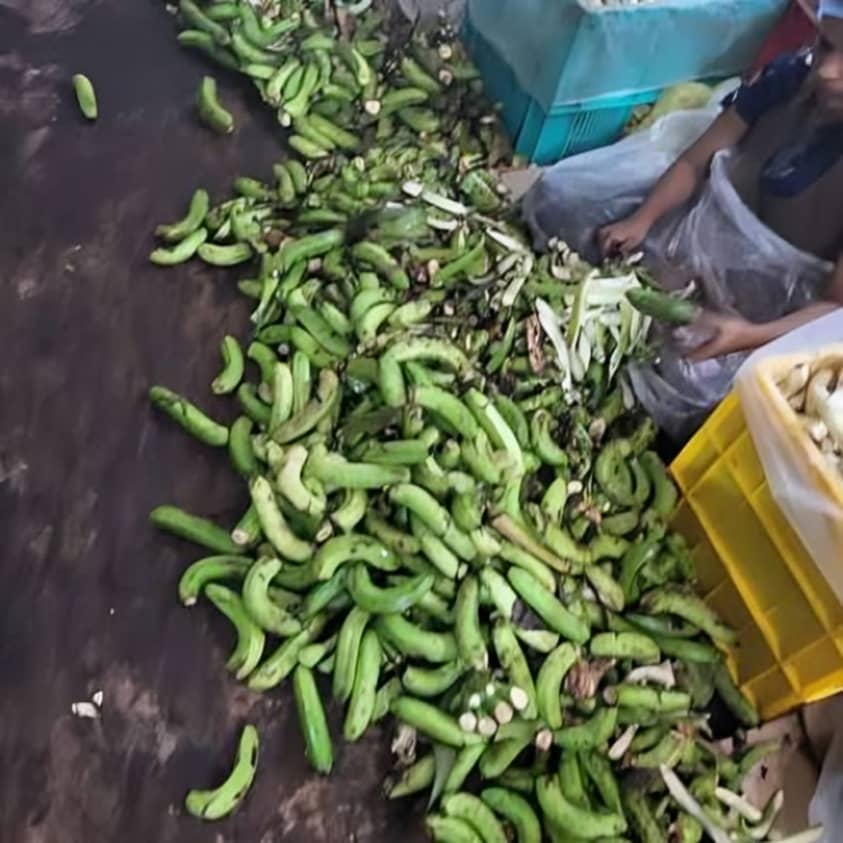
The Food Safety and Standards Authority of India has taken enforcement action against food businesses found to be violating food safety requirements, including the suspension of licences in cases where regulatory standards were not followed.
FSSAI is the country's apex food safety regulator and is responsible for establishing and enforcing standards for food products and food businesses. Its regulatory framework covers areas such as food manufacturing, processing, storage, distribution, sale and import.
The suspension of licences is part of the enforcement measures available to authorities when food businesses fail to comply with prescribed safety requirements. Such action is intended to ensure that operators maintain proper standards and protect consumers from potential food safety risks.
Food businesses operating in India are required to obtain the appropriate licence or registration depending on the nature and scale of their operations. They are also expected to follow regulations relating to hygiene, food handling, storage conditions, labelling and quality control.
Inspections are conducted by food safety authorities to check whether businesses are complying with these requirements. When violations are identified, authorities can initiate enforcement proceedings based on the nature and seriousness of the non compliance.
Licence suspension can prevent a food business from continuing operations under the affected licence until the regulatory requirements are addressed and the relevant authorities permit further activity.
The latest enforcement action highlights the importance of compliance among food businesses across the country. Restaurants, food manufacturers, retailers, distributors and other operators have responsibilities under India's food safety framework.
Hygiene is one of the key areas covered by food safety regulations. Food businesses are expected to maintain clean premises, use appropriate equipment and ensure that food is handled under safe conditions.
Storage is another important consideration. Perishable food products need to be stored at suitable temperatures to reduce the risk of contamination and spoilage. Businesses must also ensure that raw materials and finished food products are handled appropriately.
Food contamination can occur at several stages of the supply chain. Poor handling, inadequate storage, contaminated equipment or improper sanitation can increase the risk of foodborne illness.
For this reason, food safety authorities conduct inspections and collect samples where necessary to assess compliance with applicable standards.
Labelling is also an important part of food regulation. Packaged food products are required to carry relevant information so that consumers can make informed decisions. Depending on the product, labels may include details such as ingredients, nutritional information, manufacturing information, expiry or best before dates and other mandatory declarations.
Food businesses are responsible for ensuring that their products and operations comply with the applicable regulations.
The suspension of licences demonstrates that regulatory authorities can take action when businesses fail to meet these obligations. Enforcement measures may vary depending on the seriousness of the violation and applicable legal provisions.
Consumers also have an important role in maintaining food safety. Customers are encouraged to purchase food products from authorised and licensed businesses and pay attention to packaging and labelling information.
Consumers should also avoid purchasing products with damaged packaging, missing labels or unclear expiry information.
For restaurants and other food service establishments, customers can look for information indicating that the business is operating under the required food safety registration or licence.
FSSAI has been working to improve food safety compliance through inspections, surveillance activities, testing and awareness initiatives. The regulator's efforts are aimed at improving standards across India's large and diverse food sector.
The food industry includes a wide range of businesses, from large manufacturers and organised retail chains to small restaurants, street food operators and local food producers. Ensuring compliance across such a large ecosystem presents a significant regulatory challenge.
Regular inspections and enforcement actions are therefore important tools for improving compliance.
Food safety rules are designed not only to address violations after they occur but also to encourage businesses to establish systems that prevent contamination and maintain consistent quality.
Businesses can reduce the risk of regulatory action by maintaining proper sanitation, training employees in food safety practices, keeping appropriate records and ensuring that their licences and registrations remain valid.
They must also follow applicable standards for sourcing, processing, packaging and storing food products.
The suspension of licences can have significant consequences for businesses because it may restrict their ability to legally operate until the identified issues are resolved. Operators therefore have a strong incentive to maintain compliance with food safety requirements.
The action also sends a broader message to the food industry that regulatory requirements must be taken seriously.
However, specific enforcement decisions depend on the facts of each case, including the nature of the violation, inspection findings and applicable legal provisions. Businesses affected by regulatory action may have remedies available under the relevant rules and procedures.
Consumers should not assume that every food business is unsafe simply because enforcement action has been taken against some operators. Instead, customers should rely on official information and continue to follow basic food safety precautions.
Food safety remains particularly important in India because of the size and diversity of the country's food supply chain. Large quantities of food move through multiple stages before reaching consumers.
Maintaining safety standards at each stage is essential for protecting public health.
The latest action by food safety authorities underlines the need for food businesses to comply with licensing, hygiene, storage, handling and labelling requirements.
FSSAI and state food safety authorities are expected to continue inspections and enforcement activities to identify non compliant operators.
For food businesses, the key priority is to ensure that all regulatory requirements are followed and that any deficiencies identified during inspections are corrected promptly.
For consumers, purchasing from licensed operators, checking food labels and paying attention to storage and expiry information can help reduce potential risks.
Overall, the suspension of food business licences reflects the enforcement of India's food safety framework and the authorities' continued focus on compliance. The action is intended to encourage businesses to maintain required standards and strengthen consumer protection across the food sector.