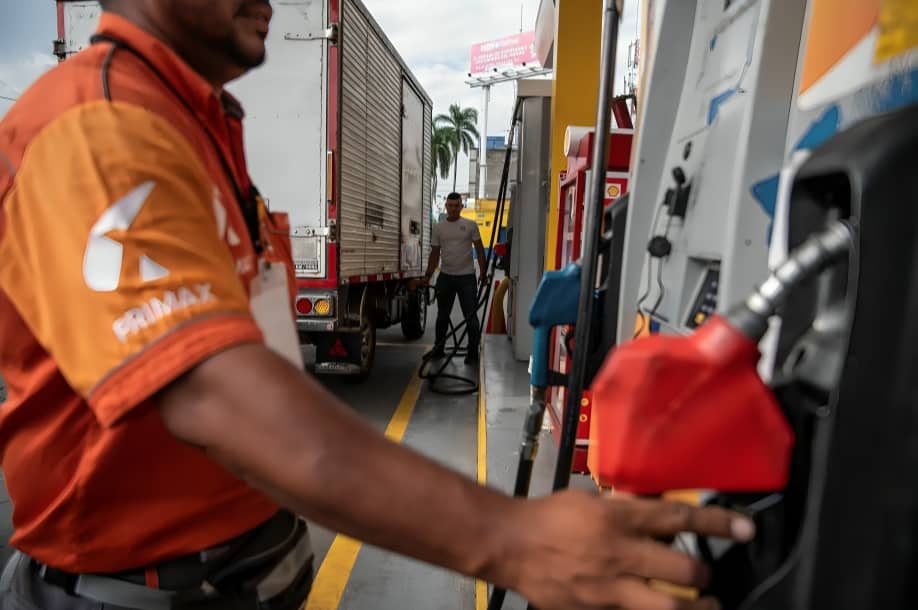
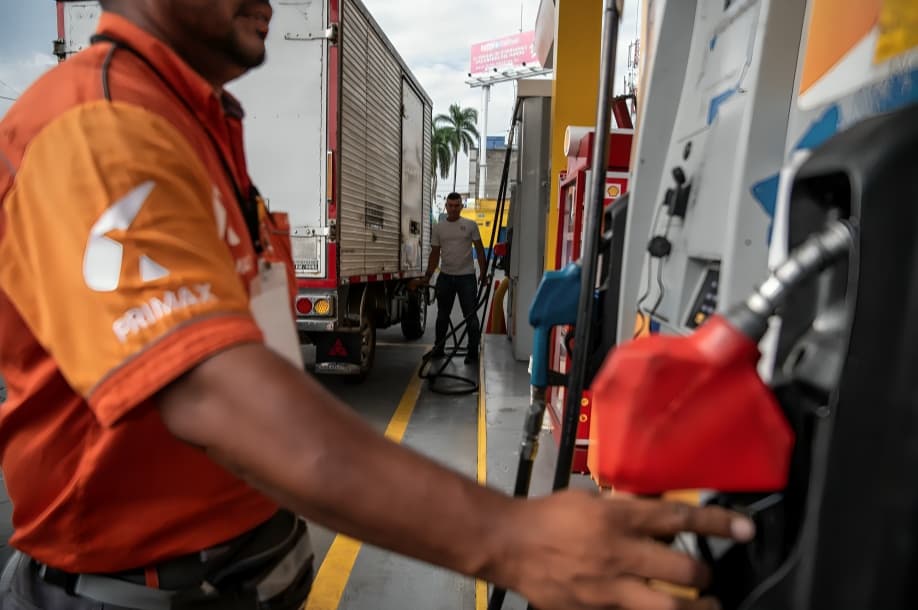
Latin America is currently facing a sharp rise in fuel prices, creating economic pressure on governments and citizens alike. Countries across the region, including Panama, Chile, and Argentina, are experiencing the impact of global oil market instability. The surge in fuel prices has led to increased costs for transportation, goods, and essential services, affecting daily life for millions of people.
In Panama, gasoline prices have been raised several times in recent weeks, leaving many residents struggling to cope with the rising costs. For workers who rely heavily on fuel for their livelihoods, the situation has become particularly difficult. Many say that a large portion of their daily earnings is now spent on fuel, leaving them with very little profit. This has led to growing calls for government intervention in the form of subsidies.
Panama depends entirely on imported fuel, making it highly vulnerable to global price fluctuations. As fuel prices rise, the cost of transporting goods also increases, which in turn leads to higher prices for food and other essential items. Public transportation systems have already started to adjust their operations, with reduced bus and metro services aimed at avoiding fare increases. However, these measures have created inconvenience for commuters.
The fishing industry has also been affected. Fishermen report that the cost of a single fishing trip has increased significantly, from around 1400 dollars to over 1900 dollars. Despite these rising costs, many are reluctant to increase prices for consumers, fearing that it would place an additional burden on ordinary people.
Initially, Panama’s government, led by President José Raúl Molino, ruled out the possibility of reintroducing fuel subsidies, citing past challenges and economic constraints. However, as public pressure mounted and concerns about social unrest grew, the government introduced measures to limit the impact of rising costs. These include caps on public transport fares, electricity rates, and cooking gas prices.
Diesel prices in Panama have now crossed five dollars per gallon for the first time, marking a significant milestone and highlighting the severity of the situation. The impact of rising fuel prices is not limited to Panama alone. Across Latin America, governments are facing similar challenges as they attempt to balance economic stability with public welfare.
The situation has been further complicated by global geopolitical developments, which have disrupted oil supply chains and increased uncertainty in energy markets. Events affecting major oil transit routes have had far reaching consequences, demonstrating how interconnected global economies have become.
Experts warn that the continued rise in fuel prices could lead to higher inflation across the region. This would make it even more difficult for governments to maintain subsidies, especially in countries already facing economic constraints.
The current crisis highlights the vulnerability of fuel importing nations to global price volatility. It also underscores the importance of developing long term strategies to reduce dependence on imported energy and improve economic resilience.