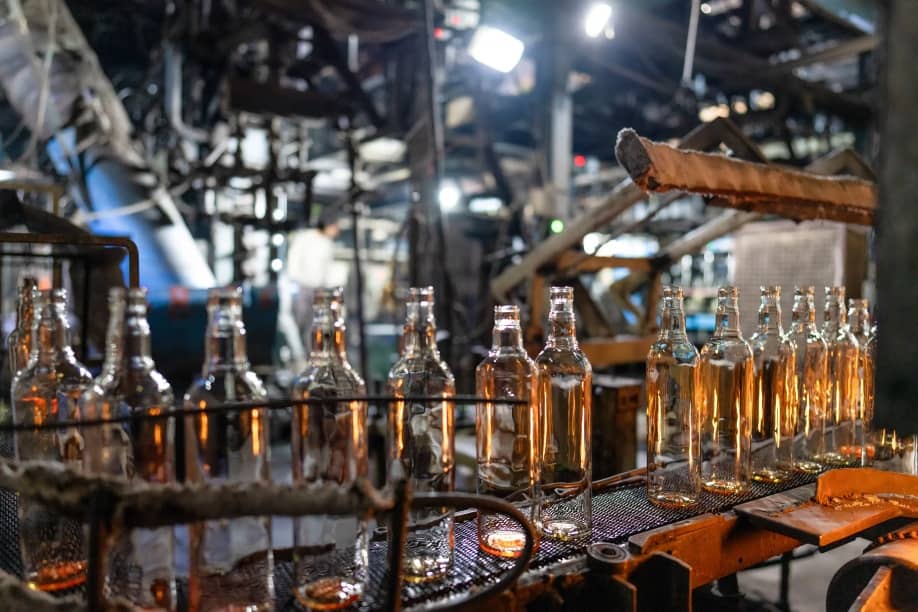
Firozabad, widely recognized as India’s glass manufacturing hub, is currently facing a significant production crisis due to shortages in gas supply. The city, often referred to as the Glass City of India, plays a crucial role in the production of glass items, including bottles used in beverages, pharmaceuticals and other industries. The ongoing shortage has disrupted manufacturing activities and raised concerns about supply constraints across multiple sectors.
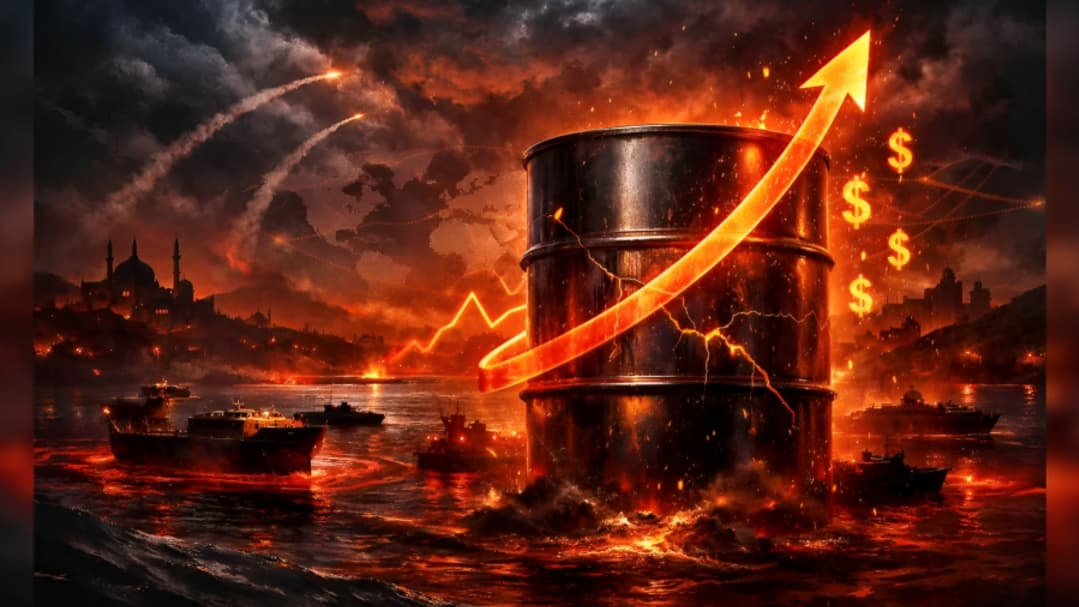
The crisis is largely linked to global energy disruptions, particularly those arising from tensions in the Middle East. These developments have affected the availability and pricing of natural gas, which is a key fuel used in glass manufacturing. Glass furnaces require continuous and high temperature heating, making a steady supply of gas essential for maintaining production levels.
Due to the reduced availability of gas, many factories in Firozabad have been forced to cut down operations or temporarily shut certain units. This has led to a decline in output, affecting the supply chain of glass bottles across the country. Industries that depend heavily on glass packaging, such as beverages and pharmaceuticals, are beginning to feel the impact of these disruptions.
Manufacturers in the region have reported rising production costs as they attempt to manage limited resources. In some cases, alternative fuels are being considered, but these options may not provide the same efficiency or cost effectiveness as natural gas. The increased cost of production is also expected to be passed on to consumers, leading to higher prices for products that rely on glass packaging.
The situation has also affected employment in the region. Firozabad’s economy is closely tied to the glass industry, and any slowdown in production has direct consequences for workers and small businesses associated with the sector. Reduced working hours and lower output have created uncertainty for many families who depend on this industry for their livelihood.
Experts believe that the crisis highlights the vulnerability of industries that rely heavily on imported energy resources. India imports a significant portion of its natural gas, making it sensitive to global price fluctuations and supply disruptions. Strengthening domestic energy sources and exploring alternative fuels may be necessary to reduce such risks in the future.
Government authorities are monitoring the situation and may consider measures to stabilize supply and support affected industries. Ensuring a consistent flow of energy resources is essential for maintaining industrial productivity and preventing disruptions in supply chains.
The shortage of glass bottles is expected to have a ripple effect across various sectors. Beverage companies may face packaging delays, pharmaceutical firms could encounter supply challenges and other industries reliant on glass containers may need to adjust their operations. These disruptions could affect market availability and pricing in the near term.
Overall, the crisis in Firozabad underscores the interconnected nature of global energy markets and local industries. Addressing the issue will require coordinated efforts to manage energy supply, support manufacturers and maintain stability in production.