India’s gold jewellery market is witnessing a gradual change in consumer preferences as buyers adjust to elevated gold prices. Lightweight jewellery and contemporary designs are expected to attract greater attention during the upcoming festive season, while wedding purchases are likely to continue following traditional patterns.
Gold remains deeply connected with Indian culture, festivals and weddings. Jewellery is not only considered an ornament but also an important form of wealth and financial security for many families. Weddings and festivals have traditionally been among the major occasions for purchasing gold jewellery in India.
However, the sharp increase in gold prices has changed the way many consumers approach jewellery purchases. Instead of completely postponing purchases, buyers are increasingly looking for ways to stay within their budgets. One of the most visible changes is the growing preference for lightweight jewellery.
The World Gold Council has reported that elevated gold prices have encouraged consumers to shift towards lightweight jewellery with lower making charges. Buyers are also becoming more price conscious and, in some cases, choosing lower purity jewellery as a way to manage the overall purchase cost.
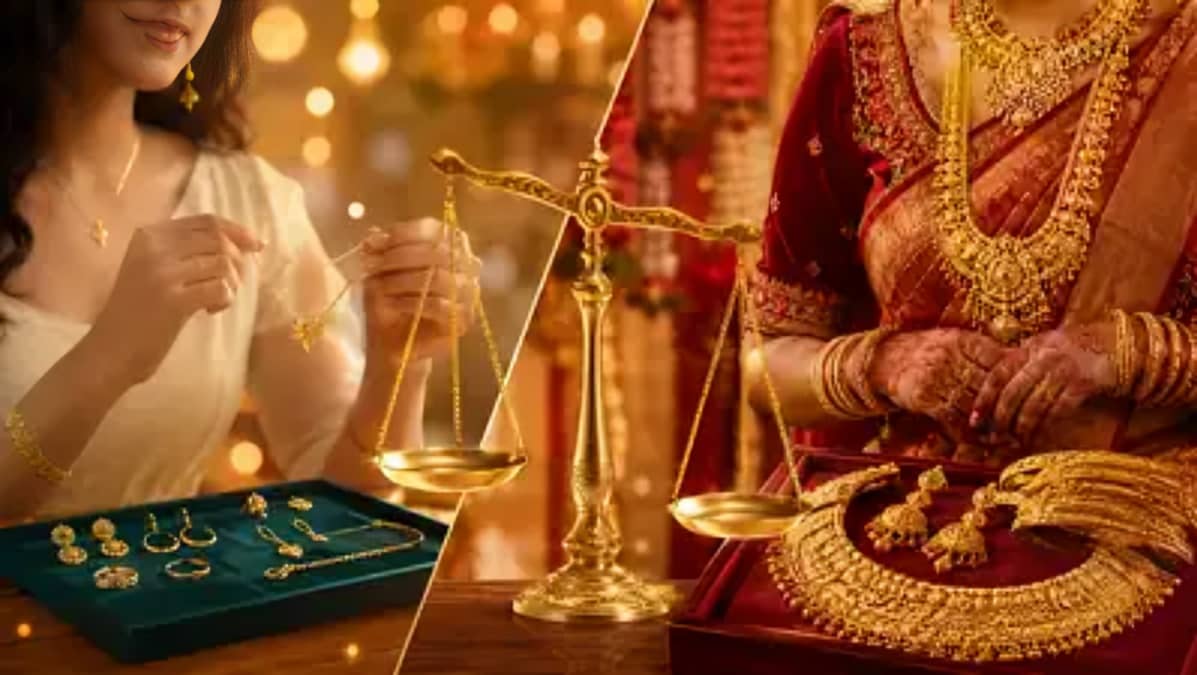
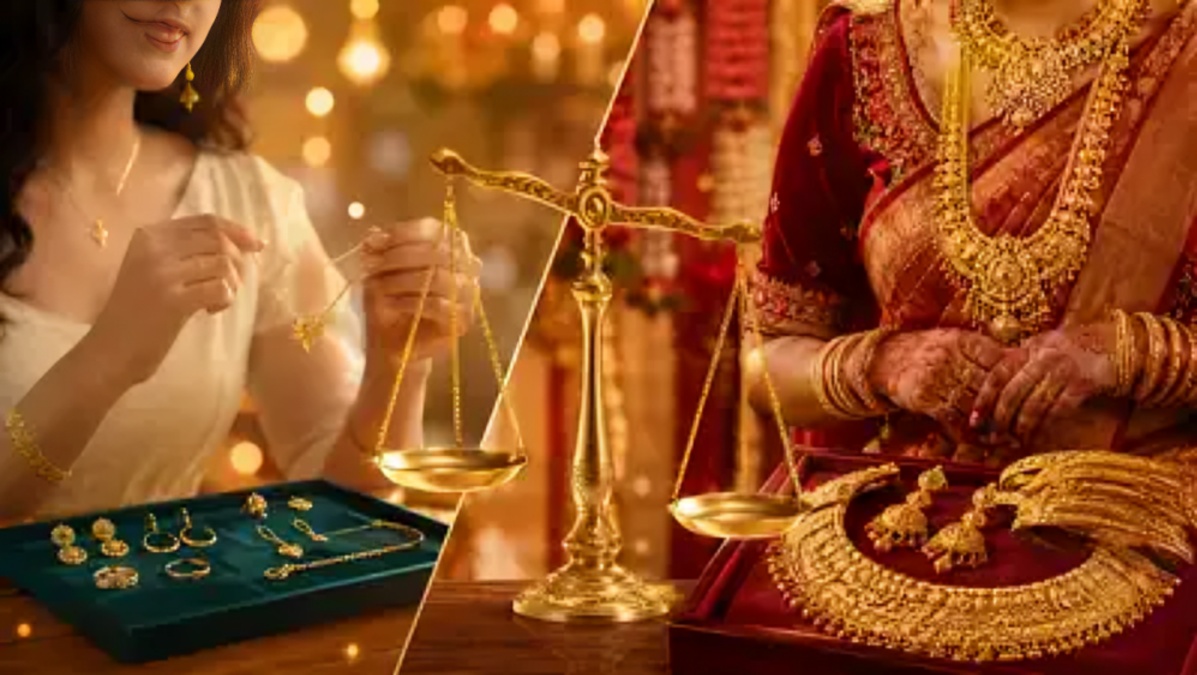
This trend is particularly relevant during the festive season, when gold buying traditionally increases across several parts of the country. Consumers may prefer smaller earrings, lightweight chains, delicate bangles, rings and contemporary necklaces that provide a modern appearance without requiring a large investment in gold weight.
Younger consumers are also influencing the direction of the jewellery market. Modern buyers increasingly prefer designs that can be worn on multiple occasions rather than jewellery reserved exclusively for major celebrations. Lightweight designs can be used for festivals, family functions and everyday wear, making them attractive to consumers seeking greater value from their purchases.
The shift does not mean that traditional jewellery is losing its importance. Wedding purchases remain a separate and important category. Bridal jewellery continues to have a strong cultural significance, and families often continue to choose traditional designs for weddings and other important ceremonies. The World Gold Council has highlighted wedding related purchases as a key source of jewellery demand in India.
This creates two distinct trends in the market. Festive and everyday buyers may increasingly prefer lightweight and modern designs, while wedding customers are more likely to retain traditional preferences, although even bridal jewellery is gradually becoming lighter in response to higher gold prices.
The changing market is also encouraging jewellers to rethink their product ranges. Retailers are focusing on designs that combine traditional elements with contemporary styling. This approach allows customers to maintain a connection with Indian jewellery traditions while also meeting modern preferences for comfort and versatility.
Gold exchange is another factor influencing purchasing decisions. When prices remain high, consumers may exchange older jewellery for new designs rather than spending the entire amount on fresh gold. The World Gold Council has reported strong jewellery exchange activity as buyers become more value conscious.
The current market environment also shows that demand has not disappeared despite high prices. Recent industry reports indicate that consumers continue to purchase gold during important festivals and wedding periods, although purchasing patterns have changed. In several cases, higher gold prices have resulted in stronger value growth even when the actual quantity of jewellery purchased is lower.
For jewellers, the upcoming festive and wedding seasons could therefore bring opportunities across different segments. Lightweight collections may appeal to budget conscious customers, while premium and traditional bridal collections can continue to serve wedding demand.
The trend also reflects a broader transformation in India's jewellery market. Consumers are becoming more selective about design, weight, making charges and long term usability. At the same time, the emotional and cultural importance of gold remains strong.
As gold prices continue to influence household budgets, lightweight jewellery could become an increasingly important part of festive sales. Traditional wedding jewellery, however, is expected to retain its strong position because of its cultural and ceremonial importance.
Overall, the outlook suggests that India's gold jewellery market may move towards a combination of modern design and traditional purchasing behaviour. Festive shoppers are likely to look for affordable and lightweight options, while wedding buyers continue to value traditional designs and gold jewellery as an important part of celebrations and family traditions.