
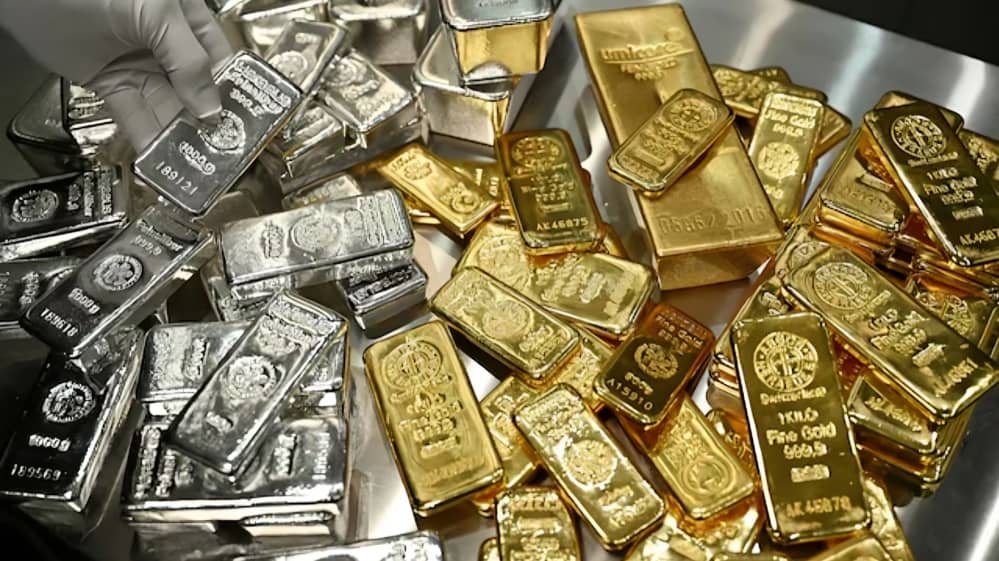
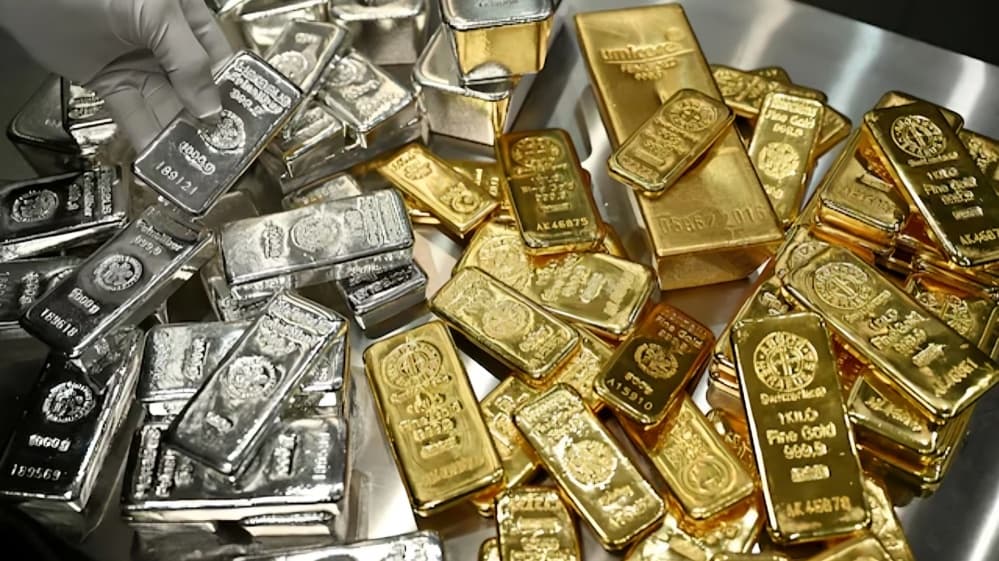
Gold prices in India on March 13 2026 recorded slight fluctuations across several major cities including Delhi Mumbai Chennai Bengaluru and Hyderabad. The precious metal continues to attract attention from both investors and jewellery buyers as daily price movements influence purchasing decisions across the country.
Gold is traded in different purity levels commonly known as karats. The most widely used forms include 24 karat 22 karat 18 karat and 14 karat gold. Among these 24 karat gold is considered the purest form containing nearly 100 percent gold content. However it is generally softer and mainly used for investment purposes such as coins and bars.
In contrast 22 karat gold contains a small percentage of other metals like copper or silver which increases its durability. Because of this strength it is commonly used in jewellery manufacturing across India. Similarly 18 karat and 14 karat gold contain higher proportions of alloy metals which make them suitable for intricate jewellery designs and modern ornaments.
The daily gold rate in India is influenced by several domestic and international factors. One of the most important influences is the global price of gold which is traded in international markets. When global prices rise due to economic uncertainty or increased demand the domestic gold price usually increases as well.
Currency exchange rates also play an important role in determining gold prices in India. Since the country imports a large portion of its gold supply fluctuations in the value of the Indian rupee against the United States dollar can directly affect the cost of the metal.
Another factor affecting gold prices is domestic demand particularly during festivals and wedding seasons. In India gold jewellery purchases increase significantly during cultural celebrations which can temporarily influence market prices. Jewellery markets in cities such as Delhi Mumbai Chennai Bengaluru and Hyderabad often experience higher demand during these periods.
Economic conditions and global geopolitical developments can also impact investor interest in gold. During periods of uncertainty in financial markets investors often view gold as a safe investment option. This trend can increase demand for the metal and influence price movements.
Gold continues to play an important role in the Indian economy not only as a financial asset but also as part of cultural traditions. Many families purchase gold as a long term investment or as a form of wealth preservation that can be passed to future generations.
Jewellers and financial experts often advise buyers to monitor daily price changes before making major purchases. Since gold prices can fluctuate due to global market conditions staying informed about current rates helps consumers make better financial decisions.
In addition to jewellery purchases many investors now participate in gold related financial products such as gold exchange traded funds and sovereign gold bonds. These alternatives allow individuals to invest in gold without physically purchasing the metal.
Overall gold remains one of the most trusted investment options in India and its price movements continue to be closely followed by investors traders and consumers across the country.


