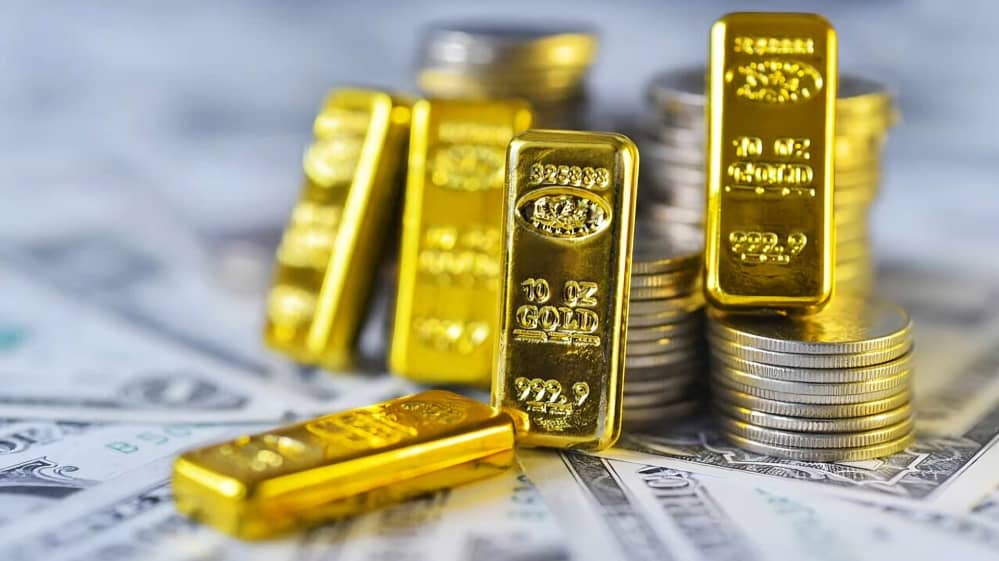
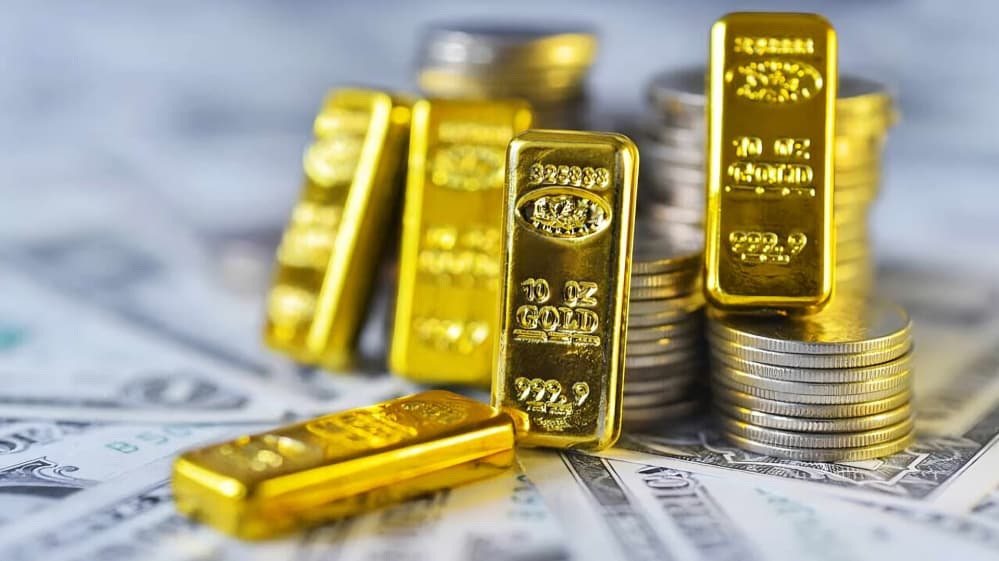
Gold prices in India have remained relatively stable near Rs 1.52 lakh on April 11, 2026, reflecting cautious market sentiment amid ongoing global uncertainties. The precious metal, often considered a safe haven investment, continues to attract attention from investors as geopolitical developments influence market trends.
Across major cities including Delhi, Mumbai, Chennai, Bengaluru, and Hyderabad, gold rates for 24K, 22K, and 18K categories have shown only minor variations. These fluctuations are part of normal market movements and are influenced by both domestic and international factors.
One of the key factors affecting gold prices currently is the global situation involving the United States and Iran. Uncertainty surrounding geopolitical developments often leads investors to turn towards gold as a stable investment option. This increased demand can support prices and prevent sharp declines.
In addition to global events, currency movements also play a significant role in determining gold prices in India. The value of the Indian rupee against the US dollar can impact import costs, as gold is largely imported. A weaker rupee typically leads to higher gold prices, while a stronger currency can have the opposite effect.
Domestic demand is another important factor. Gold holds cultural and economic significance in India, with consistent demand from households, especially during wedding seasons and festivals. This steady demand helps maintain price levels even when global conditions fluctuate.
Market analysts note that the current stability in gold prices reflects a balance between global uncertainties and domestic demand. While investors remain cautious, there has not been any major trigger to cause sharp price movements.
The role of central banks and global financial policies also influences gold markets. Changes in interest rates, inflation trends, and economic outlooks can affect investor preferences. When interest rates are low or inflation concerns rise, gold often becomes more attractive as an investment.
In recent times, geopolitical tensions have added to market uncertainty, leading to increased interest in safe haven assets. However, the absence of major escalations has kept price movements within a limited range.
For consumers, the current price levels mean that gold continues to be a significant investment. Buyers often monitor price trends before making purchases, particularly for large investments such as jewelry or bullion.
Experts advise that individuals consider long term trends rather than short term fluctuations when investing in gold. Diversification of investments and understanding market dynamics can help in making informed decisions.
Looking ahead, gold prices are expected to remain influenced by global developments, currency trends, and domestic demand. Any major changes in these factors could lead to shifts in price levels.
In conclusion, gold prices in India have remained stable near Rs 1.52 lakh, reflecting a cautious yet balanced market environment. While global uncertainties continue to play a role, steady domestic demand and economic factors have helped maintain price stability. Investors and consumers alike will continue to watch market developments closely in the coming days.