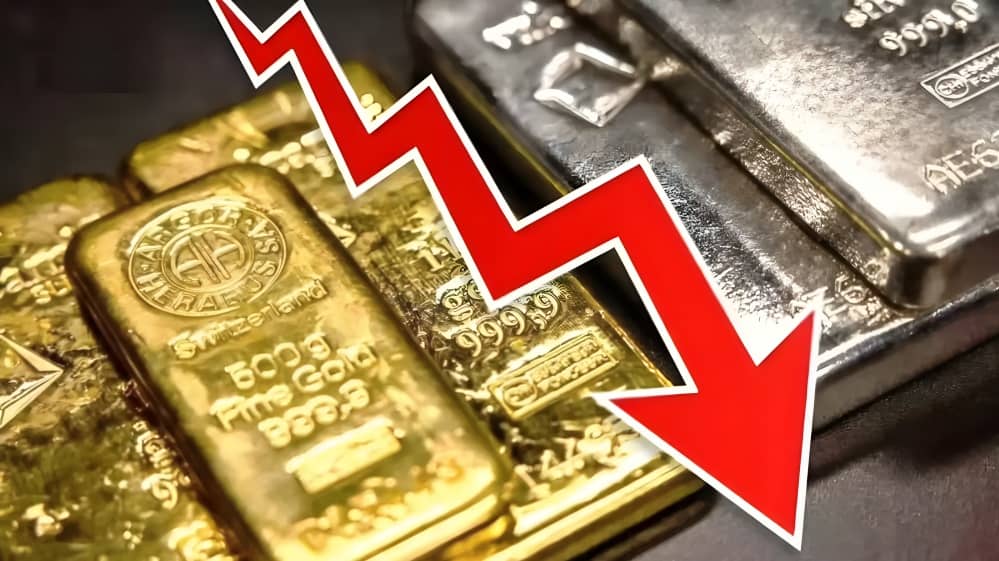

Gold prices in India witnessed a decline on April 20, 2026, as global market signals and easing geopolitical concerns influenced investor sentiment. The fall was reflected in domestic futures trading, where gold contracts on the Multi Commodity Exchange saw a drop of over Rs 1,200 during the session.
Market participants are closely watching developments related to global tensions and ceasefire expectations, which have recently shaped safe haven demand for gold. When geopolitical risks ease, investors typically reduce exposure to safe haven assets like gold, leading to short term price corrections.
The latest movement in gold prices has raised questions among investors about whether the metal will regain momentum in the coming weeks. Analysts suggest that the market is currently balancing between global uncertainty and profit booking after recent highs.
In major Indian cities such as Delhi, Mumbai, Chennai, Bengaluru, Hyderabad, Kolkata, and Pune, gold rates generally move in line with international trends and MCX futures. While exact retail prices vary due to local taxes, making charges, and jeweller margins, overall sentiment remains aligned with domestic futures performance.
Gold in 24 carat, 22 carat, and 18 carat categories continues to be influenced by global factors including US dollar movement, central bank policy expectations, and geopolitical developments. A stronger dollar typically puts pressure on gold prices, while uncertainty tends to support demand for the precious metal.
Experts believe that the current phase of price movement reflects a cautious market environment. With investors evaluating global economic indicators, gold is expected to trade within a limited range in the short term. Volatility may continue depending on updates related to international conflicts and monetary policy signals.
In India, gold demand is also influenced by seasonal factors, including wedding purchases and festive buying. However, investment demand often reacts more quickly to global developments, especially through exchange traded instruments and futures markets.
The recent decline does not necessarily indicate a long term downward trend, according to market observers. Instead, it is viewed as part of normal price correction after periods of rapid movement. Traders are advised to monitor key support and resistance levels in the coming sessions.
The outlook for gold will largely depend on how global geopolitical conditions evolve. If uncertainty returns to the market, safe haven demand could rise again, potentially supporting prices. On the other hand, stability in international relations may keep gold under pressure.
As the market continues to react to both domestic and global cues, investors are expected to remain cautious. Gold remains a key asset class for diversification, and its performance will continue to be closely watched across major financial markets in India and abroad.