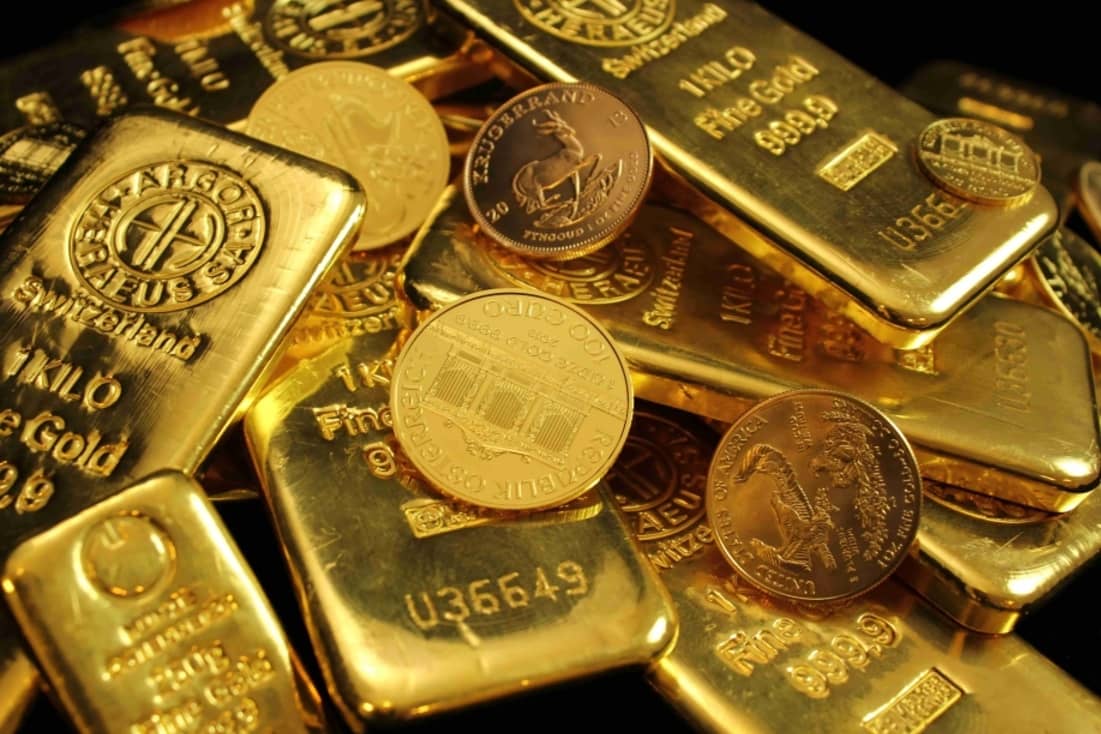
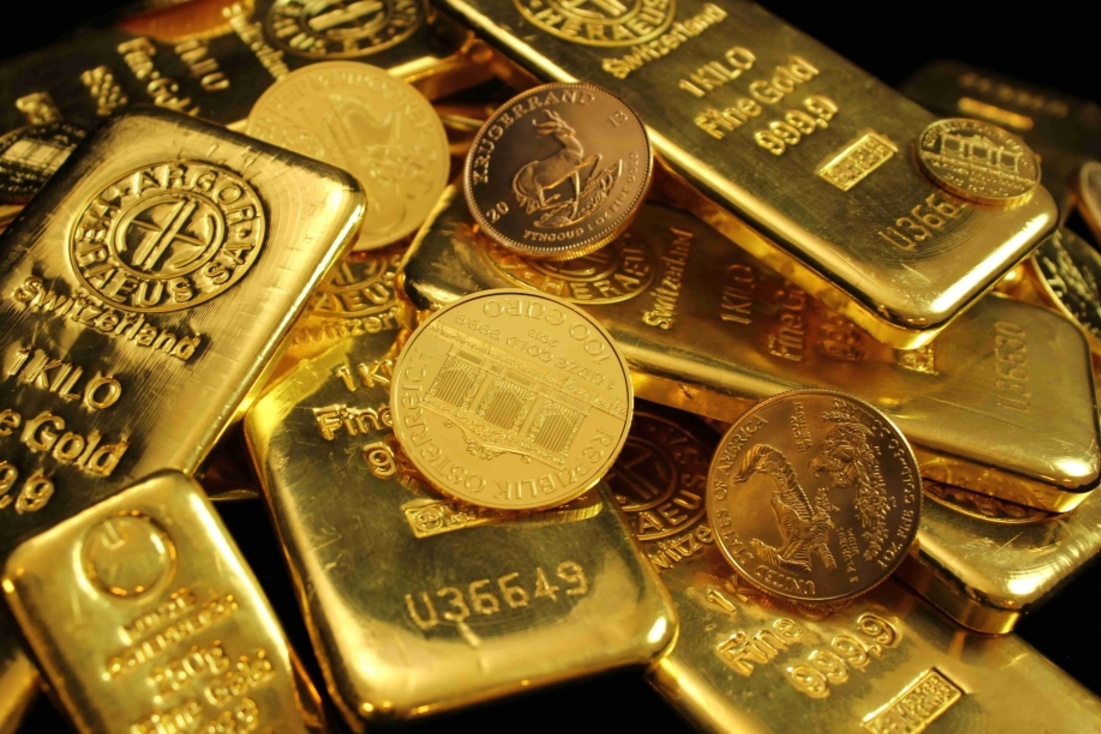
Gold prices remained in focus across Indian markets on September 1, 2026, as investors and jewellery buyers monitored movements in both domestic and international bullion markets.
Contrary to reports suggesting a broad decline in Indian gold prices, available market data showed mixed movements on Tuesday. Indicative rates in several Indian markets were around Rs 15,693 per gram for 24K gold, Rs 14,385 per gram for 22K gold and Rs 11,770 per gram for 18K gold. Rates can vary depending on the city, jeweller and market source.
Gold prices in India are influenced by several factors. International bullion prices, the value of the Indian rupee against the US dollar, import-related costs, local demand, taxes and domestic market conditions can all affect the final price.
The international gold market faced pressure on September 1. Reuters reported that spot gold declined by more than 1 percent, with higher US Treasury yields and changing expectations around US interest rates weighing on the non-yielding precious metal.
Higher interest rates can make assets that generate interest more attractive compared with gold. Because gold does not provide regular interest income, changes in expectations for monetary policy can influence investor demand.
US Treasury yields are another important factor. When yields rise, the opportunity cost of holding gold can increase, potentially putting pressure on bullion prices.
Currency movements are also important for Indian buyers. Since international gold is largely priced in US dollars, fluctuations in the rupee can affect domestic gold prices even when international prices remain relatively stable.
The domestic market can therefore move differently from the international market.
For Indian consumers, purity is one of the most important factors when checking gold rates.
24K gold is generally considered the highest-purity form commonly traded in the bullion market, with a purity of about 99.9 percent. It is commonly associated with investment products such as bars and coins.
22K gold contains about 91.6 percent gold and is widely used for jewellery because the addition of other metals makes it more suitable for manufacturing ornaments.
18K gold contains about 75 percent gold and is also used in jewellery, particularly for designs that require greater durability or the use of other metals.
The price difference between these categories reflects their different gold content.
Gold rates can also differ between cities. Market conditions, transportation costs, local demand, taxes and jeweller-specific pricing can contribute to variations.
For example, rates listed for Chennai, Mumbai, Delhi, Kolkata and other cities may not be exactly identical on the same day. Consumers should therefore check the current rate with their local jeweller before making a purchase.
The price displayed by a jeweller may also not be the final amount payable by the customer.
When buying jewellery, buyers should consider additional costs such as making charges and applicable taxes. The final invoice can therefore be significantly different from the quoted bullion rate.
This distinction is particularly important when gold prices are high.
For investors, daily price movements should also be considered in the context of broader market trends rather than a single day's change.
Gold has traditionally been viewed as a store of value and is often used by investors as part of a diversified portfolio. However, gold prices can fluctuate significantly and do not guarantee returns.
The international market remains sensitive to monetary policy expectations, inflation data, geopolitical developments, currency movements and investor demand.
On September 1, international gold prices came under pressure as US Treasury yields moved higher. Investors were also assessing expectations around future US monetary policy.
These developments can influence global bullion demand and subsequently affect domestic markets.
At the same time, geopolitical tensions can sometimes support demand for gold because investors may seek assets traditionally viewed as defensive or safe-haven holdings.
This can create competing forces in the gold market.
For example, geopolitical uncertainty may support gold prices, while higher interest-rate expectations can weigh on the metal. Currency movements can further complicate the direction of domestic prices.
Indian consumers planning to purchase jewellery should therefore avoid relying on a single online rate.
Rates published by financial websites and market platforms are generally indicative. Actual jewellery prices can differ depending on the jeweller, product design, purity certification, making charges, wastage policies and applicable taxes.
Buyers should also verify the purity of the jewellery before completing a transaction.
BIS hallmarking is an important consideration when purchasing gold jewellery in India. Consumers should check the relevant hallmark and purity information provided with the jewellery.
The September 1 gold market therefore presents a mixed picture rather than a simple nationwide fall in prices.
While international gold prices faced pressure, domestic rates remained influenced by local market conditions and currency movements. Available domestic data showed 24K, 22K and 18K rates at elevated levels compared with historical prices.
For Chennai, one available market source listed the 22K gold rate at about Rs 14,385 per gram on September 1, while the 24K rate was reported at around Rs 15,104 per gram by that source. This illustrates why rates can differ between sources and jewellers.
Another major jewellery retailer's published rates can also differ from general market benchmarks because retail jewellery prices include company-specific pricing and other factors.
Consumers should therefore treat online gold-rate tables as reference information rather than a guaranteed purchase price.
The direction of gold prices in the coming days will depend on several factors, including US economic data, Treasury yields, interest-rate expectations, the dollar, geopolitical developments and domestic currency movements.
Investors will also watch upcoming US employment and economic indicators because they can influence expectations about monetary policy and consequently affect gold demand.
For Indian households, gold remains closely connected with weddings, festivals, savings and investment planning.
A change of even a few hundred rupees per gram can make a meaningful difference to the total cost of a large jewellery purchase.
Buyers planning to purchase gold should therefore compare the latest rates, check purity, understand making charges and obtain a complete price breakdown before making a purchase.
The September 1, 2026 gold market highlights the importance of looking beyond headlines.
Rather than assuming that gold prices have universally fallen or risen, consumers should check the latest city-wise rate and the purity they intend to purchase.
As international markets remain sensitive to interest-rate expectations and global economic developments, gold prices are likely to continue experiencing fluctuations.
For now, the Indian market remains at elevated price levels, with 24K, 22K and 18K gold prices differing according to purity, location and the source of the quoted rate.