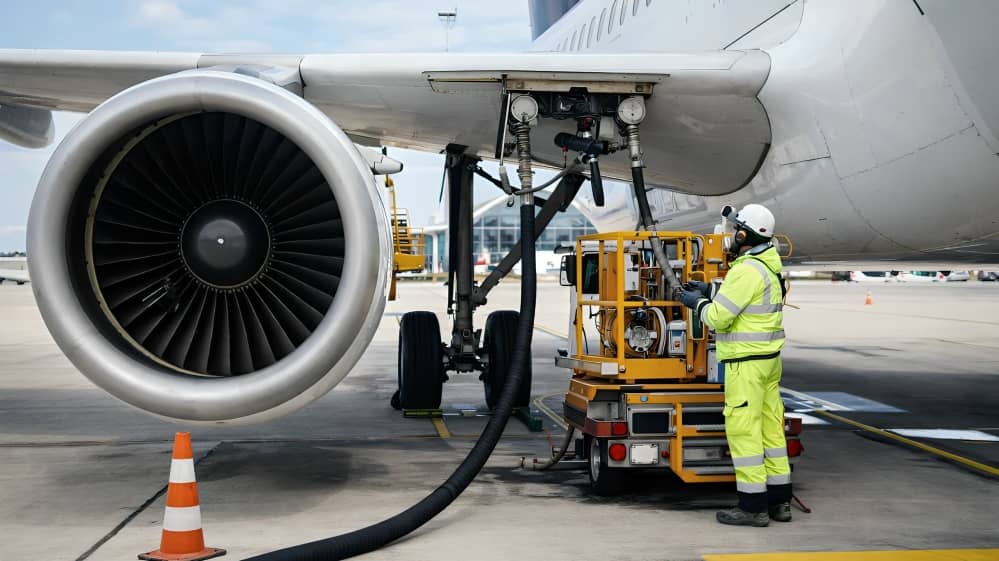

The government has taken steps to reduce the impact of rising aviation turbine fuel prices on domestic air travel, ensuring that passengers are not significantly affected by recent global oil price increases. In a move aimed at maintaining affordability, only a portion of the fuel price hike has been allowed to be passed on to domestic airlines.
Aviation turbine fuel is one of the largest cost components for airlines, and any sharp increase can directly influence ticket prices. The recent surge in global oil prices, driven by geopolitical tensions and supply disruptions in key regions, has put pressure on the aviation sector worldwide. However, authorities in India have intervened to cushion the effect on domestic travel.
Under the current arrangement, domestic airlines are required to absorb a significant portion of the increased fuel costs, with only a limited percentage being passed on. This approach is designed to prevent a sudden spike in airfares, which could impact passenger demand and overall travel activity.
In contrast, international airlines operating in and out of India are subject to the full impact of the increase in aviation turbine fuel prices. Since these operations are more closely linked to global market dynamics, they are more exposed to fluctuations in oil prices. As a result, passengers on international routes may experience higher ticket prices.
The decision to limit the impact on domestic flights reflects the importance of the aviation sector in supporting economic activity and connectivity. Affordable air travel plays a key role in facilitating business, tourism and regional development. By controlling fare increases, the government aims to ensure that domestic travel remains accessible to a wide range of passengers.
Airlines, on their part, are adopting various strategies to manage rising costs. These include improving fuel efficiency, optimizing flight operations and controlling other operational expenses. Such measures help reduce the overall financial burden while maintaining service quality.
Industry experts note that while the current approach provides short term relief, sustained increases in fuel prices may require further adjustments. If global oil prices remain high for an extended period, airlines may eventually need to revise fares to maintain financial stability.
The situation also highlights the vulnerability of the aviation sector to external factors such as geopolitical developments and global energy markets. Disruptions in major oil supply routes can have far reaching effects on fuel availability and pricing, impacting industries across the world.
Passengers have welcomed the move to limit fare increases, as it helps maintain affordability in domestic travel. However, travelers planning international trips may need to account for higher costs due to increased fuel prices.
Overall, the government’s decision to cap the impact of aviation fuel price hikes on domestic flights demonstrates an effort to balance industry challenges with consumer interests. By absorbing part of the cost increase, airlines and authorities aim to maintain stability in the aviation sector while navigating the uncertainties of global markets.