
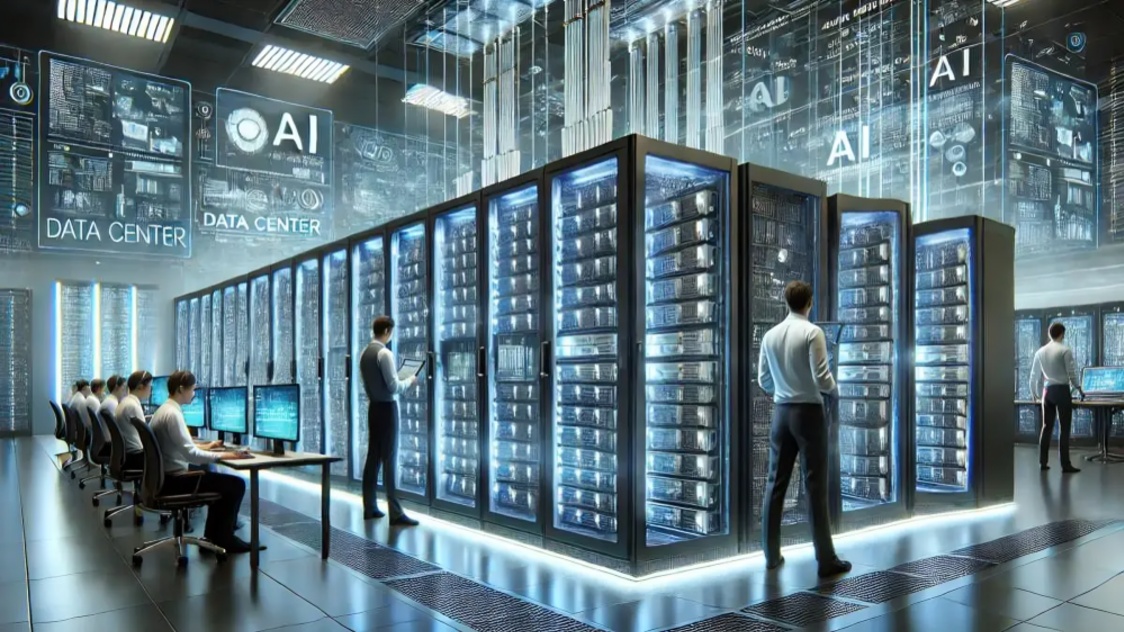
India’s rapidly expanding data centre industry could create an infrastructure and construction opportunity worth about 90 billion dollars by FY35, according to a KPMG report. The projected opportunity reflects the growing investment required to build, power, cool, connect and secure data centres as demand for digital services and computing infrastructure increases.
The opportunity is expected to reach around 30 billion dollars by FY30 before expanding significantly over the following five years. The growth is linked to India’s increasing data centre capacity and the rising demand for digital infrastructure from businesses, cloud service providers, technology companies and other sectors.
According to the report, India’s total data centre capacity is expected to reach between 7 GW and 7.5 GW by 2030. This expansion is expected to create demand across several infrastructure segments, including construction, power supply, cooling systems, networking and security.
Data centres require large and specialised facilities capable of supporting high-density computing equipment. As more capacity is added, companies involved in design, construction, electrical systems, cooling technology and network infrastructure are expected to see increased demand.
Design and construction are projected to represent one of the largest portions of the overall opportunity. According to the KPMG estimates, this segment could account for around 27 billion dollars by FY35. The figure reflects the scale of physical infrastructure that will be required to establish new data centre facilities and expand existing campuses.
Cooling infrastructure could represent another major component of the opportunity, with an estimated value of around 24 billion dollars by FY35. Cooling systems are essential because data centre servers generate substantial amounts of heat during operation. Efficient cooling infrastructure is therefore critical for maintaining equipment performance, reliability and energy efficiency.
Power infrastructure inside data centres is projected to account for around 18 billion dollars of the opportunity. Data centres require reliable and continuous electricity supplies because even short interruptions can affect computing operations and digital services. As computing workloads become more intensive, particularly with the expansion of artificial intelligence and cloud services, power requirements are also expected to increase.
The report also estimates that power infrastructure outside data centres could generate an additional opportunity of around 12 billion dollars by FY35. This includes infrastructure required to support the electricity needs of large data centre facilities and connect them with the wider power network.
Network infrastructure is another important area of investment. KPMG estimates that networking could represent an opportunity of about 5 billion dollars by FY35. High-capacity and reliable networks are essential for transferring large volumes of data between data centres, cloud platforms, businesses and end users.
Security infrastructure could also account for approximately 5 billion dollars. Data centres handle large quantities of business, financial, personal and other digital information, making physical and cybersecurity systems important parts of the overall infrastructure.
The projected growth of the sector is also closely connected to India’s broader digital economy. Increasing use of cloud computing, online services, digital payments, artificial intelligence and enterprise technology is driving demand for computing capacity. Companies need data centres to store, process and manage the large amounts of information generated by these services.
Artificial intelligence is expected to further increase the requirement for advanced data centre infrastructure. AI applications can require significantly higher computing capacity than many traditional workloads. This can increase demand for specialised servers, high-capacity power systems, advanced cooling technologies and faster networking infrastructure.
For construction and infrastructure companies, the expansion of the data centre industry could therefore create opportunities beyond traditional building activity. Projects require specialised electrical systems, mechanical equipment, cooling solutions, backup power systems, network connectivity and security arrangements.
The scale of the projected opportunity also highlights the importance of power availability and infrastructure planning. Data centres typically require reliable electricity throughout the year, which means developers and infrastructure companies need to consider grid capacity, backup systems and energy efficiency while planning new facilities.
Cooling is another major consideration because increasing computing density can raise the amount of heat generated within facilities. This could encourage greater investment in advanced cooling technologies and energy-efficient systems as operators seek to manage operating costs and maintain reliability.
India’s position as a growing digital economy could support continued expansion of the data centre market over the coming years. However, the pace of development will depend on several factors, including availability of land, electricity supply, network connectivity, financing, regulatory approvals and the ability to build infrastructure at the required scale.
The KPMG projections indicate that the data centre boom could become a significant source of business for companies across the construction and infrastructure ecosystem. Rather than being limited to data centre operators, the investment cycle could benefit engineering firms, construction companies, power infrastructure providers, cooling equipment manufacturers, networking companies and security solution providers.
If India reaches the projected 7 to 7.5 GW of data centre capacity by 2030, the infrastructure requirements are expected to expand considerably. The estimated 90 billion dollar opportunity by FY35 illustrates the potential economic impact of this growth.
However, the figures are projections and should not be interpreted as guaranteed revenue for individual companies. Actual investment and market opportunities will depend on how quickly data centre capacity expands, the technology adopted by operators, power availability and broader economic conditions.
The expected expansion nevertheless places data centres among the important emerging areas of India’s infrastructure economy. With digital consumption continuing to increase and businesses relying more heavily on cloud and AI-based services, the demand for physical computing infrastructure is likely to remain an important investment theme through the coming decade.