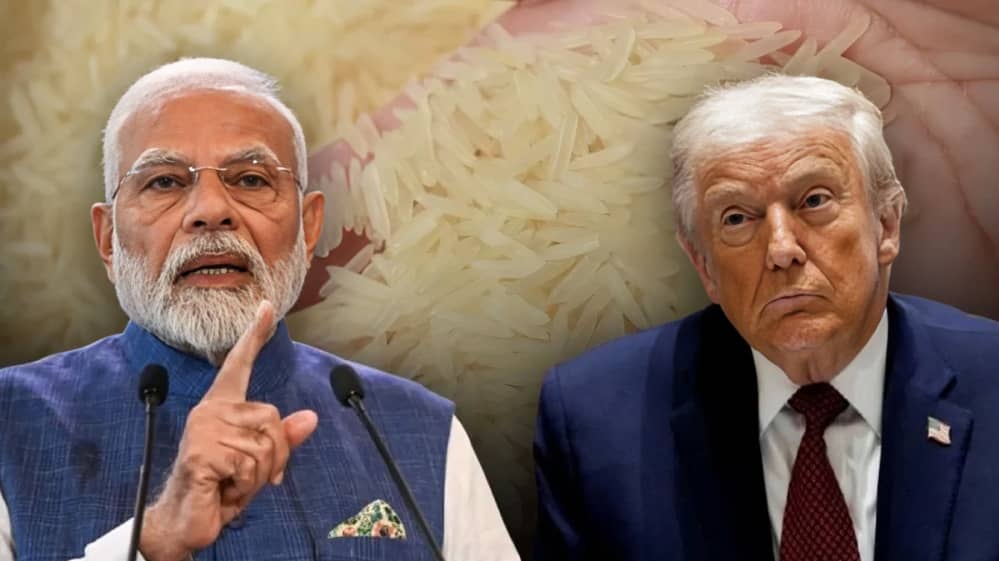
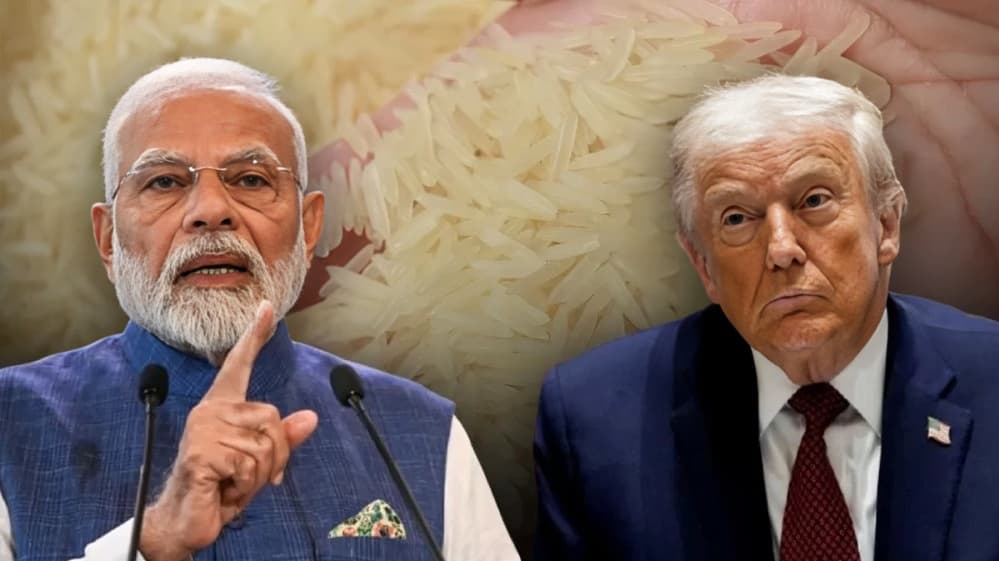
India has dismissed allegations of rice dumping in the United States following remarks by former US President Donald Trump, who claimed that foreign rice imports were hurting American farmers. Responding to the statement, Indian officials underlined that the nature and pricing of India’s rice exports do not support allegations of dumping.
According to government sources, the majority of rice exported from India to the US consists of premium basmati rice. This variety is distinct from non basmati rice in terms of aroma, grain length and quality, and it commands significantly higher prices in global markets. Officials pointed out that basmati rice is typically sold at premium rates, often several times higher than common rice varieties, making the concept of dumping economically implausible.
The Indian government stressed that basmati rice exports cater to a specific consumer segment, particularly among South Asian and Middle Eastern communities, as well as high end restaurants and retail outlets. Pricing is determined by international demand, quality standards and long term supply contracts rather than by subsidized or artificially low rates.
Trade experts noted that dumping refers to the practice of selling goods in a foreign market at prices below their cost of production or domestic market prices. In the case of basmati rice, export prices are consistently higher than those of non basmati rice sold in domestic and international markets. This, they argue, clearly distinguishes India’s exports from dumping practices.
India is one of the world’s largest rice exporters, and basmati rice plays a crucial role in its agricultural export portfolio. The government has repeatedly emphasized quality control, geographical indication protection and traceability to maintain the global reputation of Indian basmati rice. Strict standards are enforced to ensure that only certified basmati varieties are exported.
Officials also highlighted that India follows World Trade Organization rules and international trade agreements in its agricultural exports. Any pricing or subsidy mechanisms are in line with global norms and are subject to multilateral scrutiny. India has engaged constructively with trading partners to address concerns related to agricultural trade and market access.
The remarks come at a time when global agricultural markets are under pressure due to fluctuating demand, climate related disruptions and geopolitical tensions. Experts believe that such statements are often driven by domestic political considerations rather than detailed trade data.
India has indicated that it remains open to dialogue with the United States to clarify trade related issues. However, it maintains that claims of dumping are unfounded and do not reflect the realities of the rice trade between the two countries.
As bilateral trade discussions continue, Indian authorities have reiterated their commitment to fair trade practices and the promotion of high value agricultural exports. The government believes that transparent pricing, quality assurance and adherence to international standards will continue to strengthen India’s position in global agricultural markets.