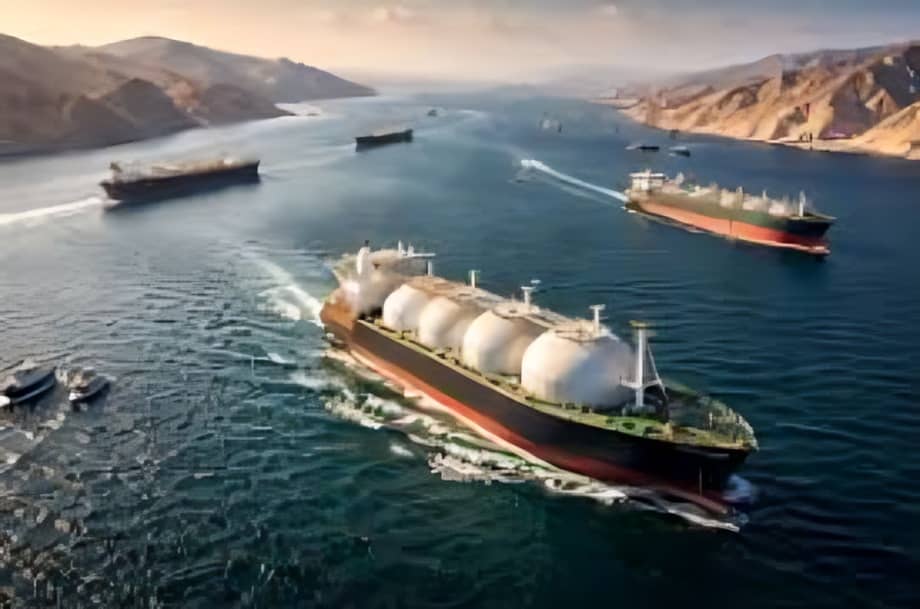
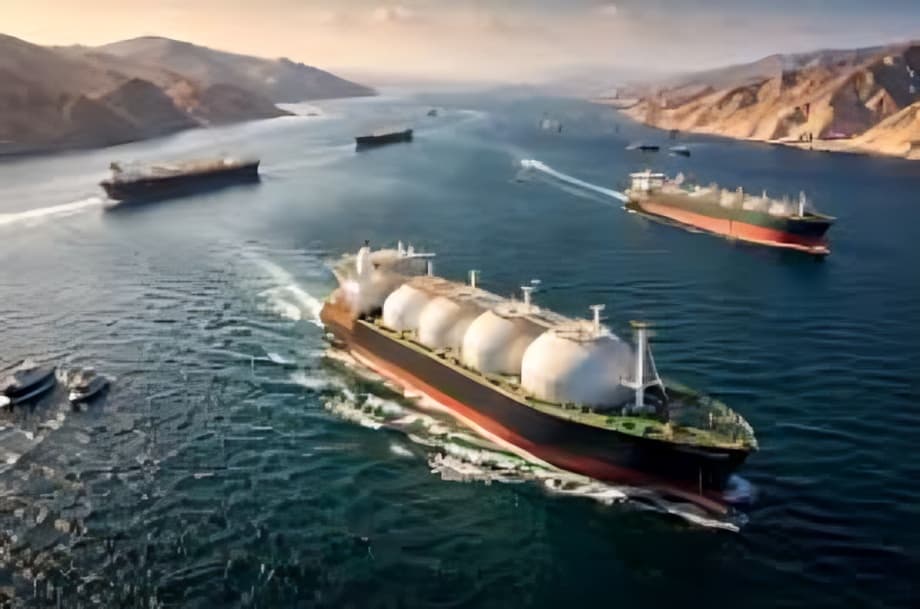
India has significantly improved its energy supply situation by diversifying import sources, particularly increasing purchases from African countries. This move comes in response to disruptions in the Strait of Hormuz following geopolitical tensions in West Asia. Government officials have stated that the availability of crude oil, liquefied petroleum gas, and liquefied natural gas has improved compared to the situation a month ago.
According to officials from the petroleum ministry, India has taken proactive steps to secure alternative sources of energy to maintain stability in domestic supply. Diversification of imports has been a key strategy to reduce dependence on traditional supply routes that may be affected by global conflicts. By sourcing energy from Africa and other regions, India aims to ensure uninterrupted supply to meet growing demand.
Sujata Sharma, a senior official in the petroleum ministry, noted that the overall availability of energy resources has improved and that the country is now in a more stable position. This improvement has been attributed to coordinated efforts in procurement, logistics, and supply chain management.
India imports approximately 5.5 to 5.6 million barrels of crude oil per day, with a significant portion previously routed through the Strait of Hormuz. Before the recent conflict, around 40 to 45 percent of crude imports passed through this critical maritime route. However, disruptions in the region prompted authorities to explore alternative options.
In the case of liquefied petroleum gas, India relies on imports to meet nearly 60 percent of its annual demand of around 31 million tonnes. A large share of these imports was traditionally routed through the Strait of Hormuz. Similarly, natural gas consumption in India stands at about 191 million metric standard cubic meters per day, with over half of it being imported. A considerable portion of these imports also originated from West Asia.
To address potential supply challenges, the government has prioritized ensuring adequate availability of LPG and LNG for retail consumers and essential sectors. This includes households, transportation, and industries that depend heavily on these fuels. By maintaining sufficient reserves and diversifying supply routes, authorities aim to minimize the impact of global uncertainties on domestic markets.
Experts believe that diversification of energy imports is a crucial step in strengthening India’s energy security. Relying on multiple sources reduces vulnerability to geopolitical risks and supply disruptions. It also provides flexibility in negotiating prices and managing costs.
The increased engagement with African countries reflects a broader strategy to build long term energy partnerships. These collaborations are expected to support India’s growing energy needs while promoting economic cooperation with resource rich regions.
Officials have also emphasized the importance of monitoring global developments and adapting strategies accordingly. Continuous assessment of supply chains and proactive planning are considered essential for maintaining stability in the energy sector.
Overall, India’s efforts to diversify its energy imports and reduce dependence on the Strait of Hormuz highlight a strategic approach to managing risks in a complex global environment. The improved availability of fuel resources indicates that these measures are yielding positive results, ensuring that consumers and industries continue to receive uninterrupted supply.