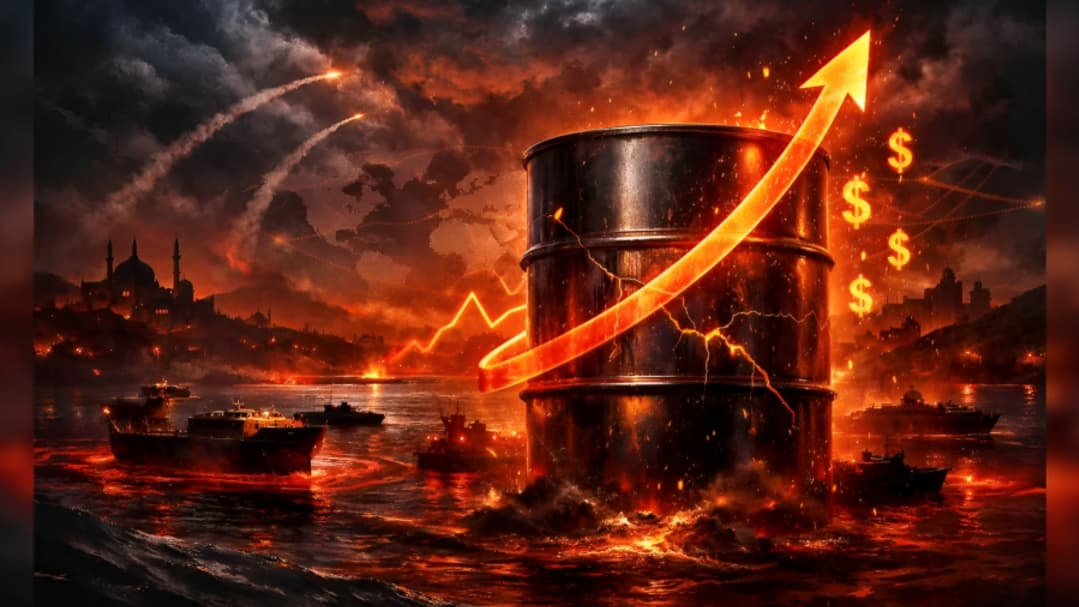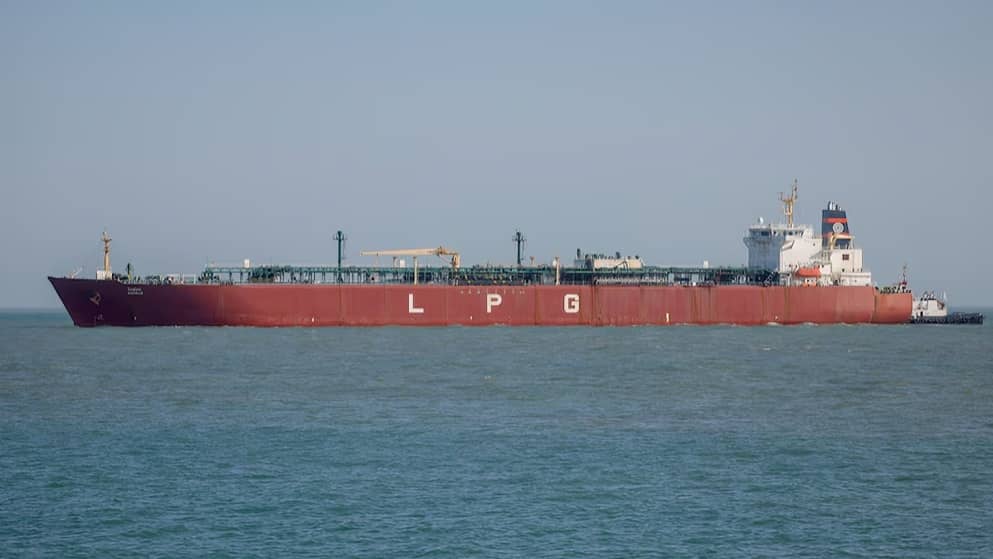
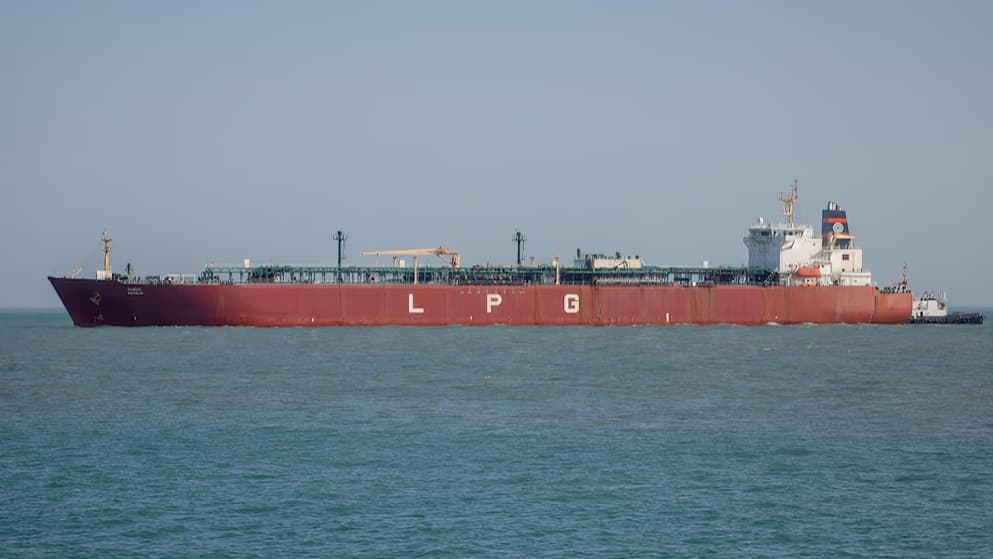
India recorded a significant decline in liquefied petroleum gas imports in March, reflecting the impact of disruptions in global energy supply chains. According to available data, LPG imports dropped sharply compared to January levels, with the decline attributed largely to disturbances in the Strait of Hormuz, a key maritime route for energy shipments.
The Strait of Hormuz is one of the most important corridors for global oil and gas transportation. A large portion of India’s energy imports passes through this route, making it highly sensitive to geopolitical developments. Recent tensions involving Iran have affected shipping activity in the region, leading to delays and reduced cargo movement.
The decline in LPG imports highlights the challenges faced by countries that rely heavily on international energy supplies. India, which depends on imports to meet a significant portion of its domestic LPG demand, has been particularly affected by these disruptions. The reduction in supply has raised concerns about the availability of LPG for household and commercial use.
In response to the situation, efforts have been made to secure alternative sources of supply. The United States has emerged as one of the key suppliers, providing additional shipments to help offset the shortfall. Iran has also contributed to maintaining supply levels, despite the ongoing geopolitical tensions. These measures have helped prevent a more severe impact on the domestic market.
Energy experts note that such disruptions underline the importance of diversifying supply sources and routes. By reducing dependence on a single region or transit point, countries can better manage risks associated with geopolitical instability. India has been working towards strengthening its energy security by exploring new partnerships and improving infrastructure.
The fall in LPG imports may also have implications for pricing and distribution. Reduced supply can lead to increased costs, which may eventually be passed on to consumers. Authorities are likely to monitor the situation closely and take necessary steps to ensure that essential supplies remain available at stable prices.
The development comes at a time when global energy markets are already facing volatility due to various factors, including geopolitical conflicts and changing demand patterns. For India, maintaining a steady flow of energy resources is critical for supporting economic activity and meeting the needs of its population.
Government agencies and energy companies are expected to continue coordinating efforts to manage the situation effectively. This may include increasing domestic production where possible, optimizing storage facilities, and enhancing logistics to ensure timely distribution.
The current scenario also highlights the need for long term strategies to strengthen energy resilience. Investments in alternative energy sources, improved infrastructure, and diversified import routes can help reduce the impact of similar disruptions in the future.
As global conditions continue to evolve, India’s approach to energy management will remain focused on balancing supply security with cost efficiency. The decline in LPG imports in March serves as a reminder of the interconnected nature of global energy markets and the importance of preparedness in dealing with external challenges.