
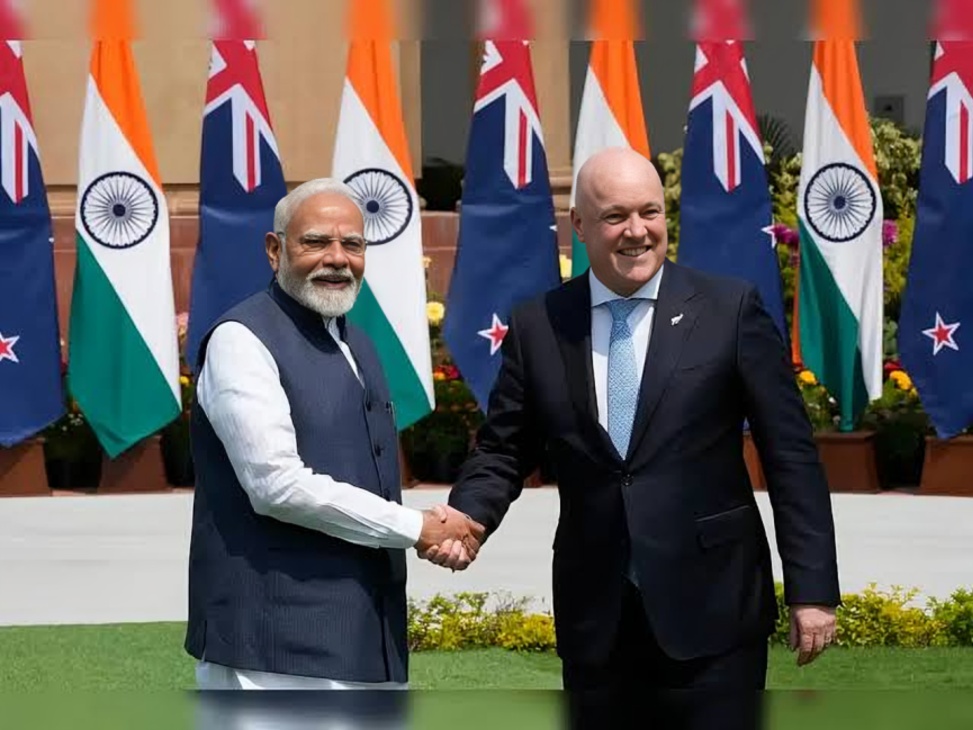
The India-New Zealand Free Trade Agreement is likely to come into force on October 19, according to an official, marking an important step in strengthening economic and commercial ties between the two countries. The agreement is expected to provide greater market access for businesses, reduce trade barriers and encourage investment between India and New Zealand.
India and New Zealand signed the Free Trade Agreement on April 27, 2026, following negotiations aimed at expanding bilateral trade in goods and services. The agreement is designed to create a more favourable trading environment for exporters and businesses in both countries. New Zealand’s Ministry of Foreign Affairs and Trade lists the agreement as having been signed in New Delhi on April 27.
The expected October 19 implementation date was reported on September 15, with an Indian government official indicating that the agreement is likely to come into force on that date. The date should therefore be treated as the expected implementation date until the two governments formally confirm that all requirements for entry into force have been completed.
One of the key features of the agreement is the commitment by New Zealand to provide duty-free access for 100 per cent of Indian exports. This could give Indian exporters greater opportunities in the New Zealand market by removing or reducing tariff-related costs on Indian products.
At present, New Zealand maintains tariffs of up to 10 per cent on several Indian products. These include products such as ceramics, carpets, automobiles and automobile components. The removal of these duties under the agreement is expected to improve the competitiveness of Indian products in the New Zealand market.
The agreement is particularly significant for Indian businesses looking to expand their presence in New Zealand. Lower trade barriers can make Indian products more competitive and potentially encourage companies to explore new customers, distribution networks and investment opportunities.
The pact is also intended to strengthen trade in services. India has a large services sector, including information technology, professional services and other knowledge-based industries. Greater economic engagement with New Zealand could create additional opportunities for Indian service providers, although the practical benefits will depend on how the agreement is implemented and how businesses use the new provisions.
Investment is another important component of the agreement. New Zealand has committed to invest USD 20 billion in India over a 15-year period, according to reports on the pact. Such an investment commitment could support the expansion of businesses and contribute to India's broader investment and economic growth objectives.
The investment commitment also highlights the broader objective of the agreement. The pact is not limited to reducing tariffs on goods. It is intended to build a stronger economic relationship between the two countries through increased trade, investment and commercial cooperation.
For New Zealand businesses, the agreement provides improved access to the Indian market. India is one of the world's largest consumer markets, with demand across a wide range of sectors. Greater access could create opportunities for New Zealand exporters and companies seeking to expand their operations in India.
The agreement also comes after a lengthy history of discussions between India and New Zealand over a potential free trade arrangement. The two countries had previously explored the possibility of a trade agreement, but negotiations had faced challenges over market access and other issues. The successful conclusion and signing of the 2026 agreement marked a significant development in bilateral economic relations.
New Zealand's political process also played a role in the agreement's progress. In April, New Zealand's opposition Labour Party said it would support the legislation required to enable the trade deal to proceed through Parliament. Reuters reported that the support helped clear the way for the agreement despite opposition from New Zealand First.
The agreement could also have implications for several sectors on both sides. For India, exporters in areas such as textiles, apparel, leather, footwear, engineering products, jewellery, marine products and other manufactured goods could benefit from improved access to New Zealand.
For New Zealand, the agreement is expected to provide greater access to the Indian market for selected agricultural, food, manufacturing and other products. However, sensitive sectors remain an important part of the trade negotiations, and the final benefits will depend on the specific tariff schedules and commitments contained in the agreement.
The implementation of the FTA will therefore be closely watched by exporters, importers and investors in both countries. Businesses will need to understand the detailed rules of origin, tariff schedules and other requirements before taking full advantage of the agreement.
The agreement also comes at a time when India is actively expanding its network of trade partnerships. New trade agreements can help Indian exporters diversify their markets and reduce excessive dependence on individual destinations. For New Zealand, deeper economic engagement with India provides an opportunity to expand its presence in one of the world's fastest-growing major economies.
The expected October 19 start date could therefore represent a significant milestone in India-New Zealand economic relations. However, businesses should wait for formal confirmation from the relevant authorities before treating October 19 as the final effective date.
Once implemented, the agreement is expected to provide a framework for expanding two-way trade and investment. Its success will ultimately depend on how effectively businesses in both countries use the market access and investment opportunities created by the pact.
The India-New Zealand FTA is consequently being viewed as more than a tariff-reduction agreement. It represents an effort by both countries to build a broader economic partnership covering goods, services and investment.
For Indian exporters, the removal of tariffs on exports to New Zealand could improve price competitiveness and open additional opportunities. For New Zealand companies, increased access to India could provide a route into a much larger consumer and investment market.
The next key step is the formal confirmation of the agreement's entry into force. If the expected October 19 date is confirmed, businesses on both sides will begin preparing to operate under the new trade framework.