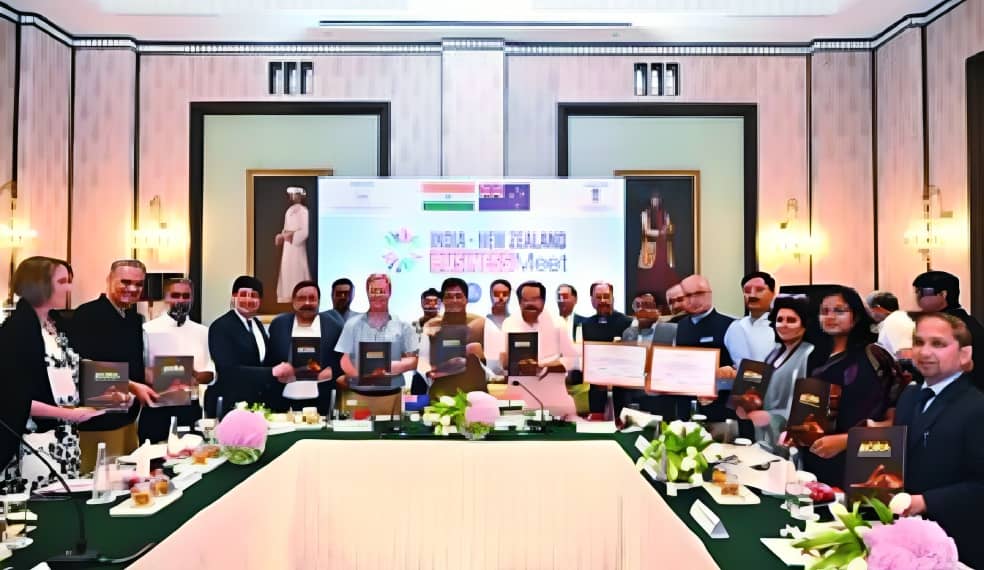
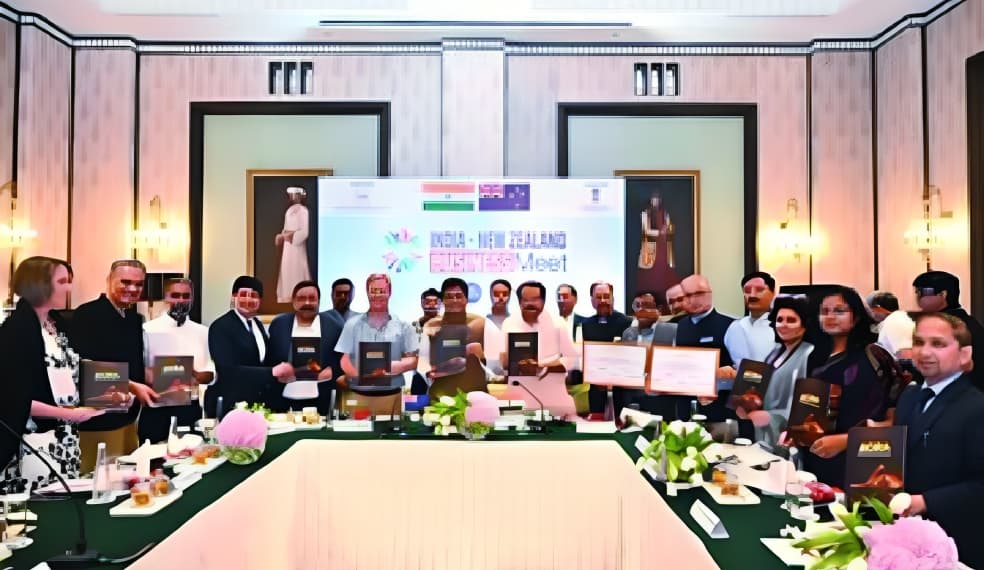
The recently concluded trade agreement between India and New Zealand is expected to create significant opportunities for the leather industry, especially in Agra, a city widely known for its leather manufacturing sector. Often associated with the iconic Taj Mahal, Agra is also a major hub for leather goods production and exports.
Industry experts believe that the Free Trade Agreement will help reduce tariffs and improve market access for Indian leather products in New Zealand. This is expected to make exports more competitive and increase demand for goods such as footwear, bags, and accessories produced in Agra and other manufacturing centers.
The agreement is projected to attract investments worth up to 20 billion dollars over a period of 15 years, according to early estimates. These investments are likely to support infrastructure development, technological upgrades, and expansion of production capacity within the leather sector. Small and medium enterprises, which form a large part of the industry, are expected to benefit from improved export opportunities.
Agra’s leather industry plays a vital role in employment generation, supporting thousands of workers involved in various stages of production. Increased export demand could lead to higher production levels, potentially creating additional jobs and strengthening the local economy.
Trade analysts point out that global demand for quality leather products remains steady, and access to new markets can significantly enhance growth prospects. By reducing trade barriers, the agreement allows Indian exporters to compete more effectively with suppliers from other countries.
In addition to tariff reductions, the agreement may include provisions related to standards, certifications, and ease of doing business. These measures can help streamline export processes and ensure that products meet international quality requirements.
However, experts also emphasize the need for the industry to focus on sustainability and compliance with environmental regulations. The global leather market increasingly values eco friendly production practices, and exporters may need to adapt to these expectations to maintain competitiveness.
The Government of India has been promoting export oriented sectors as part of its broader economic strategy. Agreements such as this one are seen as tools to expand trade networks and increase the country’s presence in international markets.
For New Zealand, the agreement offers access to a diverse range of Indian products while strengthening bilateral trade relations. Both countries are expected to benefit from increased economic cooperation and exchange of goods and services.
As implementation of the agreement progresses, stakeholders in the leather industry are likely to monitor its impact closely. Exporters will focus on leveraging the opportunities created by improved market access and investment inflows.
Overall, the India New Zealand Free Trade Agreement represents a significant step toward enhancing trade ties and supporting key industries such as leather manufacturing. Its long term success will depend on effective execution, industry readiness, and sustained demand in global markets.