India Post Explores Rs 1.94 Lakh Crore Commercial Opportunity
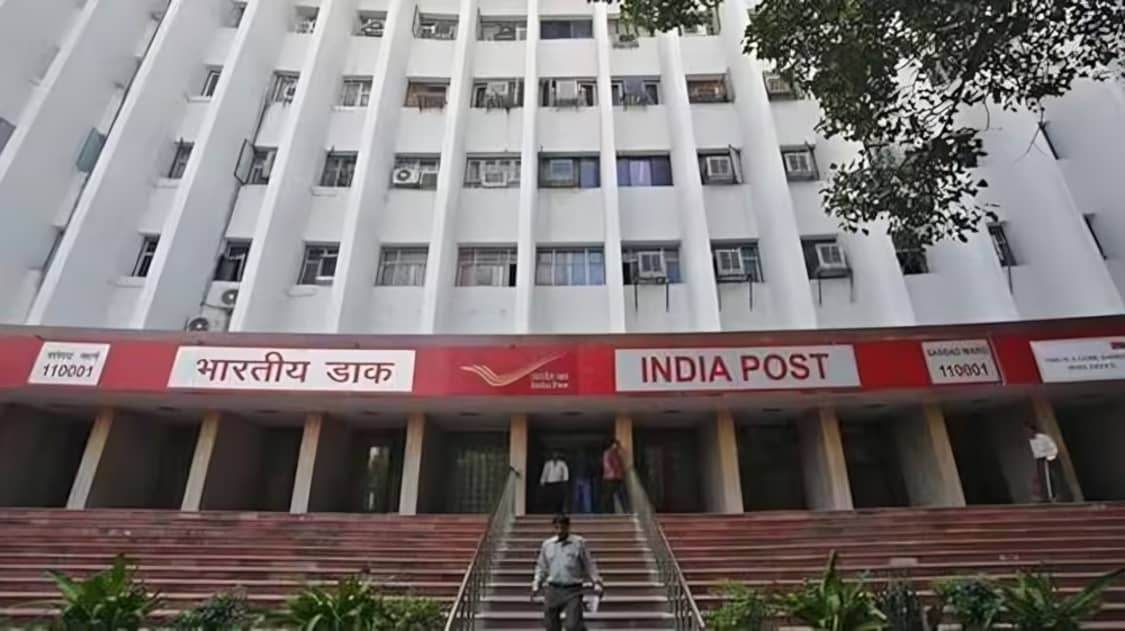
India Post could unlock a commercial opportunity estimated at Rs 1.94 lakh crore by expanding its activities beyond traditional letter and parcel delivery. According to a report by consulting firm Prequate Advisory, the department could generate additional economic value by making better use of its extensive postal network, land, buildings and workforce.
The report, titled Latent Report 2026, identifies opportunities in logistics, warehousing, e commerce, property leasing and citizen services. It suggests that India Post could develop new revenue streams by using its existing infrastructure to serve private businesses, financial institutions and government service providers.
India Post operates approximately 1.65 lakh post offices and has a workforce of around 4.74 lakh people, including more than 2.78 lakh Gramin Dak Sevaks. Its extensive presence in rural and remote areas could give it an advantage in providing services that private companies may find difficult or expensive to deliver independently.
However, the estimated Rs 1.94 lakh crore opportunity represents a potential commercial value based on the report's assumptions. It is not money already earned by India Post, nor is it a confirmed government revenue target.
Warehousing and Logistics Could Drive Growth
Warehousing and logistics are among the major opportunities identified in the report. India Post already has buildings, operational facilities, transport connections and staff distributed across the country. Using these resources more efficiently could help the department enter new commercial activities without relying entirely on new infrastructure.
On demand warehousing is identified as a promising opportunity. Under this model, businesses could use available postal facilities to store goods closer to customers and distribution points. Potential customers include e commerce companies, direct to consumer brands and fast moving consumer goods manufacturers.
Better use of existing buildings could help businesses manage inventory and reach customers in smaller towns and rural areas. For India Post, the approach could create additional revenue from infrastructure that may otherwise be underutilised.
Parcel fulfilment and returns management are other potential areas for expansion. E commerce companies require dependable delivery networks to transport products to customers and manage returns. India Post's nationwide presence could support these activities, particularly in locations where establishing a separate private delivery network may be costly.
The department has already been working with private logistics companies to strengthen its commercial capabilities. In April 2026, the Department of Posts and DTDC signed a memorandum of understanding to explore logistics and business opportunities, including parcel delivery and capacity sharing. In May 2026, the department also announced an agreement with Flipkart for last mile parcel delivery services across India.
These partnerships demonstrate how India Post's infrastructure can complement private sector logistics operations.
Property Leasing and Better Use of Assets
The Prequate Advisory report estimates the combined latent value of India Post's brand, land, buildings and workforce at Rs 65,067 crore. This is a modelled estimate of underlying asset and resource value rather than immediately available cash.
The report places the estimated value of land at Rs 42,571 crore and owned buildings at Rs 6,732 crore. It also assigns an estimated value of Rs 11,280 crore to the workforce, based on recruitment and training costs.
These figures suggest that India Post's commercial potential extends beyond its core postal operations. Some properties could potentially support warehousing, business kiosks, flexible office spaces and other services, depending on their location, condition, ownership arrangements and operational requirements.
Property leasing could create rental income while allowing the department to retain ownership of suitable assets. However, commercial use would require careful planning to ensure that public services remain accessible and that operational requirements are not disrupted.
Financial Services and Citizen Services
India Post already plays an important role in providing financial and public services, particularly in rural communities. Its network supports postal savings, insurance-related services and access to various government facilities.
The department could expand its role by offering additional citizen services through post offices. These could include assistance with government applications, digital service access and selected services delivered in partnership with other institutions.
India Post's existing reach may be especially valuable for people who have limited access to banking branches, digital infrastructure or service centres. Expanding these activities could improve convenience for citizens while creating opportunities to generate service-related revenue.
Financial institutions could also benefit from services such as cash handling and cash loading, subject to appropriate agreements, security procedures and regulatory requirements.
The challenge will be to expand these activities without compromising the department's public service responsibilities. Commercial expansion must be supported by suitable technology, staff training, secure systems and transparent pricing.
Revenue Growth and the Path to Financial Sustainability
Prequate Advisory has modelled five proposed initiatives and estimates that they could generate an additional Rs 18,209 crore in earnings before interest, taxes, depreciation and amortisation by financial year 2036. Under the report's projections, total EBITDA could reach approximately Rs 19,528 crore.
The report also estimates that India Post could achieve operational break even in around seven years from a reported deficit of Rs 24,915 crore in financial year 2025. These figures depend on the successful introduction of new commercial activities, revenue growth and cost management.
Earnings before interest, taxes, depreciation and amortisation, commonly known as EBITDA, is a measure used to assess operating performance before certain expenses. It is not the same as net profit or cash available to spend.
The projections therefore need to be viewed as a possible business scenario rather than a guaranteed financial outcome. Actual results will depend on customer demand, implementation costs, operational efficiency and competition from established private companies.
Challenges India Post Must Address
Turning a large network into a commercially successful operation will require more than making buildings and staff available for new services. India Post will need to compete on service quality, delivery reliability, pricing and technology.
Warehousing and parcel operations require efficient inventory management, tracking systems and dependable transport links. Commercial customers may also expect clear service agreements, quick issue resolution and consistent delivery performance.
The department will need to identify which facilities are suitable for commercial use and which must remain focused on public services. It must also ensure that additional commercial responsibilities do not reduce access to essential postal and financial services in underserved areas.
Partnerships with private companies could provide operational expertise, technology and access to customers. At the same time, transparent contracts and clear performance standards will be important to ensure that these partnerships produce lasting benefits.
Outlook for India Post
India Post's proposed commercial expansion reflects a broader effort to modernise the department and strengthen its role in the country's logistics and digital services economy. Its nationwide network, established public trust and presence in remote locations provide a foundation for exploring new business opportunities.
The estimated Rs 1.94 lakh crore opportunity highlights the potential value of using existing assets more effectively. Yet, achieving that potential will depend on practical implementation, commercially viable services and sustained improvements in efficiency.
If the proposed initiatives are executed successfully, India Post could diversify its income sources and strengthen its financial position while continuing to provide essential public services. The scale of the opportunity is significant, but the final outcome will depend on how effectively the department converts its existing reach into reliable and sustainable commercial operations.