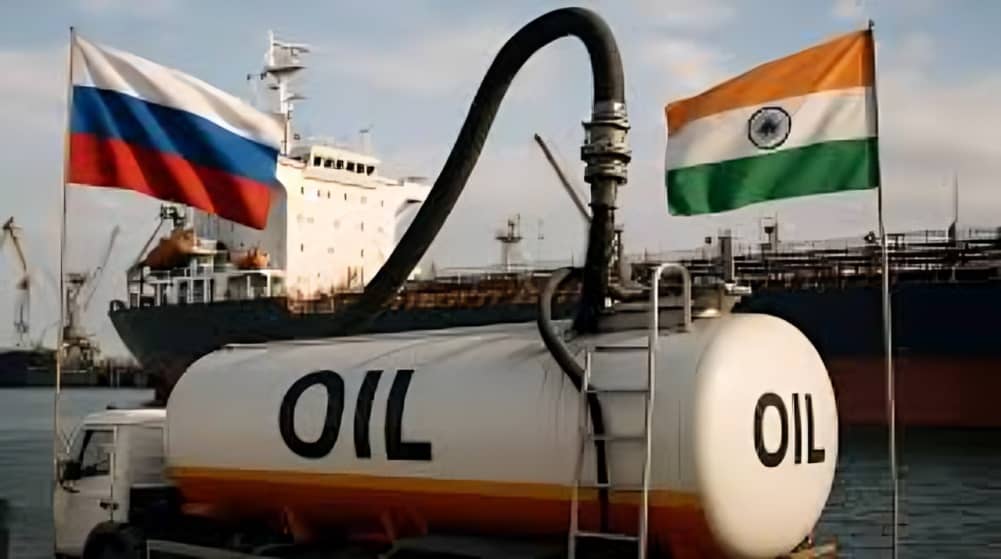
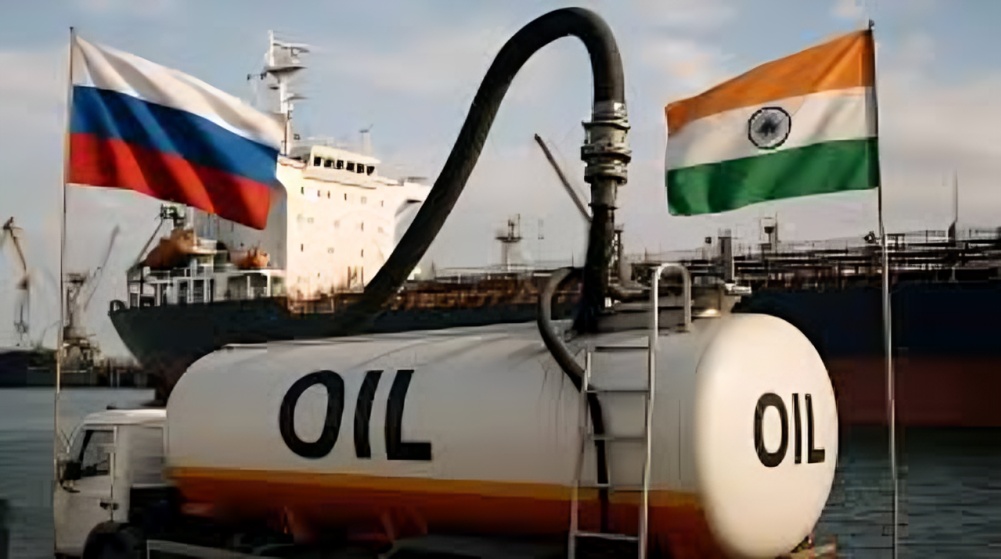
India’s crude oil import strategy has shown noticeable changes in April as the country reportedly reduced its intake of Russian oil by approximately 15 percent. The development comes at a time when global energy markets are experiencing shifting dynamics influenced by pricing trends, geopolitical factors and changing trade conditions.
Energy analysts suggest that the reduction reflects a combination of commercial and logistical considerations, including fluctuating discounts on Russian crude, evolving shipping routes and refinery optimisation strategies. India, one of the world’s largest crude oil importers, continues to diversify its energy sources to ensure supply stability and cost efficiency.
The adjustment in imports also comes amid ongoing international discussions regarding oil trade restrictions and waiver arrangements related to Russian crude purchases. Analysts have pointed out that if the United States does not extend certain waiver provisions, Indian refiners could further reduce their dependence on Russian oil in future months.
India’s oil import basket is highly diversified, with supplies coming from the Middle East, Africa, the Americas and Russia. Over the past few years, Russian crude became a significant component of India’s imports due to attractive pricing and discounted offers following global sanctions on Moscow by Western countries.
However, market conditions have been evolving, and refiners are now continuously assessing cost effectiveness, freight charges and refinery compatibility before making procurement decisions. Industry experts say such adjustments are part of normal commercial strategy in a volatile global oil market.
The global crude oil market is influenced by multiple factors including production decisions by major oil producing nations, geopolitical tensions, global demand patterns and currency fluctuations. Any change in supply agreements or pricing structures can directly impact import decisions of major consuming countries like India.
Energy economists believe that India’s approach is largely driven by energy security and economic considerations rather than political alignment. The country has consistently maintained that it will purchase crude oil based on best available pricing and supply reliability to meet domestic demand.
Refiners in India are also focusing on maintaining steady fuel supplies for domestic consumption, which includes petrol, diesel, aviation fuel and industrial energy requirements. Any disruption in crude supply planning could potentially affect refinery operations and fuel pricing stability.
Market observers note that global oil trade patterns have undergone significant changes since international sanctions were imposed on Russia. New trade routes, alternative payment mechanisms and discount pricing structures have reshaped global crude flows.
Analysts further suggest that if Russian oil discounts narrow or logistical challenges increase, Indian refiners may gradually shift toward other suppliers. Conversely, if favorable pricing continues, imports could stabilize or fluctuate depending on demand requirements.
India’s energy policy continues to emphasize diversification of supply sources to reduce dependency risks. The government and refiners regularly evaluate international markets to ensure stable energy availability at competitive prices.
Experts also highlight that crude oil import decisions are dynamic and can change month to month depending on refinery maintenance schedules, seasonal demand and global price movements.
The current reduction in imports reflects short term market adjustments rather than a structural shift, according to several energy market analysts. However, future developments related to international policy decisions and trade waivers will play a key role in shaping import trends.
As global energy markets remain uncertain, India is expected to continue balancing economic efficiency, energy security and supply diversification in its crude oil procurement strategy.