India’s wholesale price inflation moderated marginally in July 2026, according to provisional data released by the Ministry of Commerce and Industry. The Wholesale Price Index based inflation rate stood at 9.78 percent in July, compared with 9.87 percent in June.
The latest figure represents a modest decline in overall wholesale inflation. However, the rate remains elevated, with several important components of the wholesale price basket continuing to record significant price increases.
The moderation in the overall WPI inflation rate was largely supported by a sharp reduction in inflation in the fuel and power category. Inflation in this segment declined to 20.05 percent in July from 27.41 percent in June.
The decline in fuel and power inflation provided some relief to the overall wholesale inflation figure. Energy prices can have a broad influence on the cost of production, transportation and distribution across different sectors of the economy.
However, the improvement was partly offset by increased price pressures in other categories. Inflation in primary articles rose to 8.52 percent in July from 7 percent in June. Primary articles include several commodities such as food articles, minerals and other raw materials.
Manufactured products also recorded higher inflation during the month. Inflation in manufactured products increased to 8.29 percent in July from 7.48 percent in June.
The government identified mineral oils, food articles, basic metals, non food articles, manufactured food products and chemicals and chemical products among the major drivers of wholesale price inflation during July.
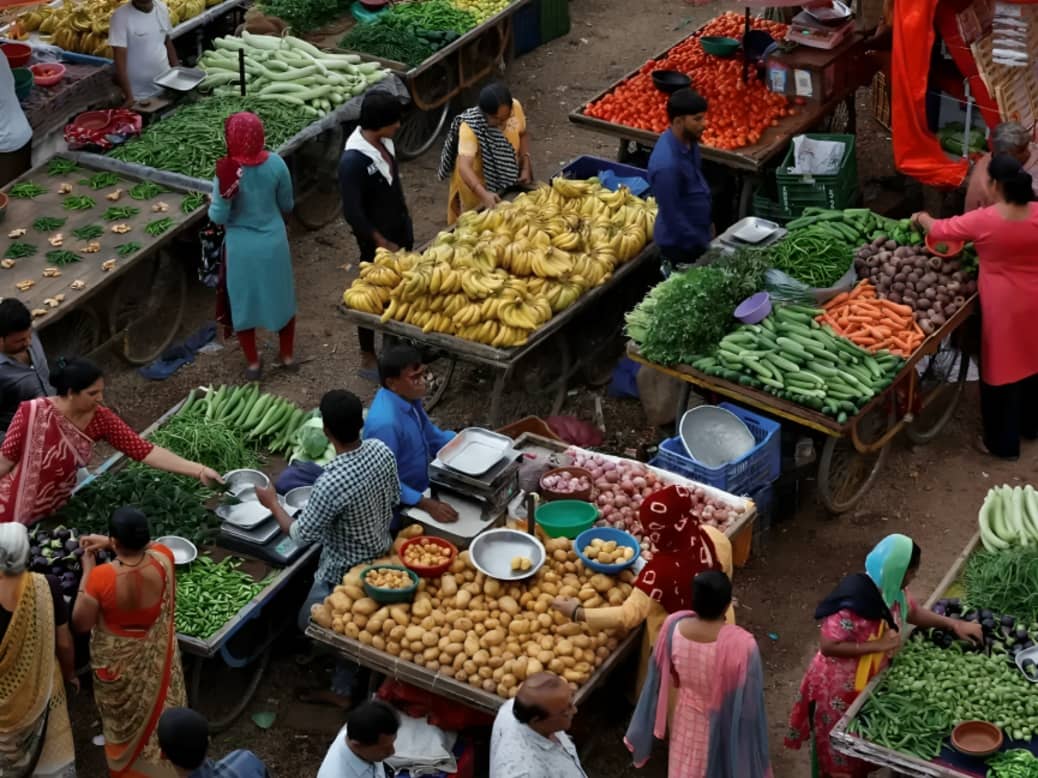
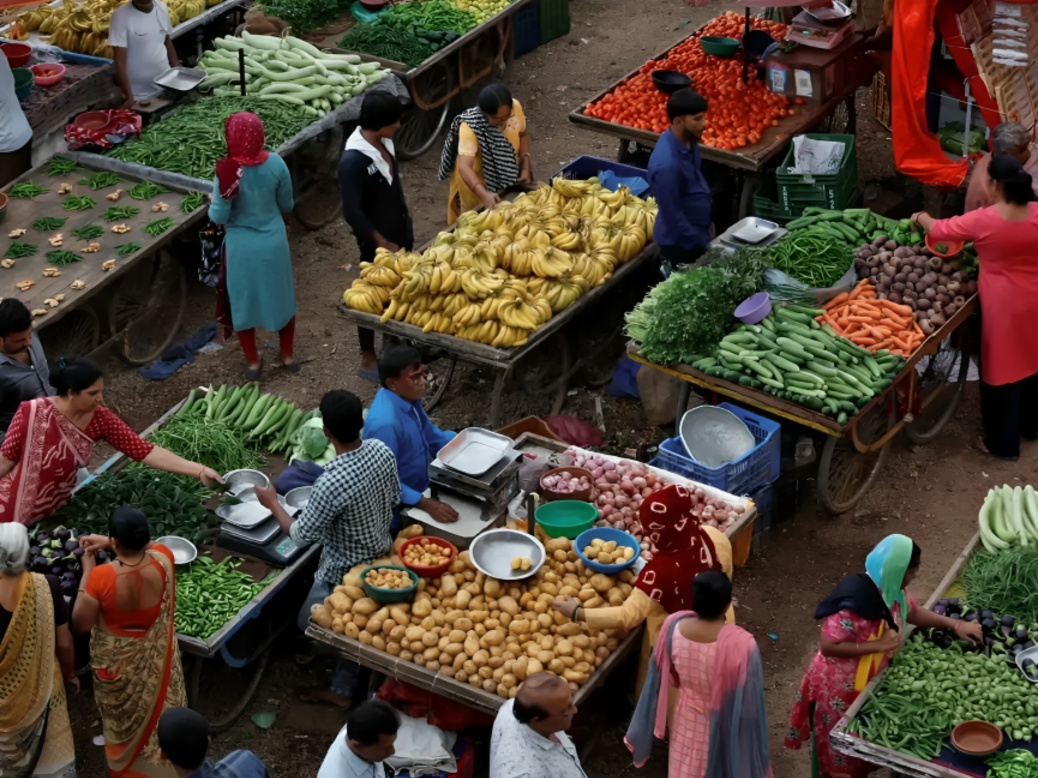
Food prices remain an important area of concern. The WPI Food Index, which combines food articles from the primary articles category with manufactured food products, recorded inflation of 6.65 percent in July. This was higher than the 6.14 percent recorded in June.
The increase in wholesale food inflation indicates that price pressures remain present in the food supply chain despite the marginal moderation in overall WPI inflation. Changes in food prices can have implications for producers, retailers and consumers, depending on how much of the increase is passed through the supply chain.
The July data also comes under the revised Wholesale Price Index series, which uses 2022 to 2023 as its base year. The government introduced the revised WPI series in June 2026, replacing the earlier 2011 to 2012 base year series. The revision was aimed at making the index more representative of current economic conditions and price movements.
The new WPI series is being released alongside new Producer Price Index measures as part of the transition towards a broader system for monitoring producer level price movements.
The July WPI figure also needs to be viewed alongside recent retail inflation data. India’s consumer price inflation increased to 4.45 percent in July, according to recently released government data. Retail inflation therefore remains considerably lower than wholesale inflation, although food prices have been contributing to pressure in both measures.
For businesses, elevated wholesale prices can influence production costs and profit margins. Manufacturers may face higher expenses for raw materials, metals, chemicals, food products and other inputs. Depending on market conditions, companies may absorb these costs or pass some portion of them to consumers.
The decline in fuel and power inflation could provide some relief to businesses that depend heavily on energy and transportation. However, the rise in primary articles and manufactured product inflation indicates that cost pressures remain uneven across the economy.
The latest figures therefore present a mixed picture. Overall WPI inflation declined slightly, but the moderation was not broad based across all categories. Fuel and power provided the biggest source of relief, while food, primary articles and manufactured products continued to experience stronger price pressures.
The government will continue to monitor wholesale prices as part of its assessment of economic conditions. Future movements in commodity prices, energy costs, food supply and global market conditions could influence India's wholesale inflation trajectory.
For consumers, WPI is primarily an indicator of price movements at the wholesale level and is different from the Consumer Price Index, which is more directly associated with household retail prices. Nevertheless, persistent wholesale price increases can eventually influence retail prices if higher input costs are passed through to consumers.
Overall, July’s data shows that India’s wholesale inflation has eased slightly but remains at a high level. The fall in fuel and power inflation helped moderate the headline figure, while rising food, primary article and manufactured product prices continued to create pressure. The coming months will show whether the moderation becomes more broad based or whether commodity and food prices keep wholesale inflation elevated.