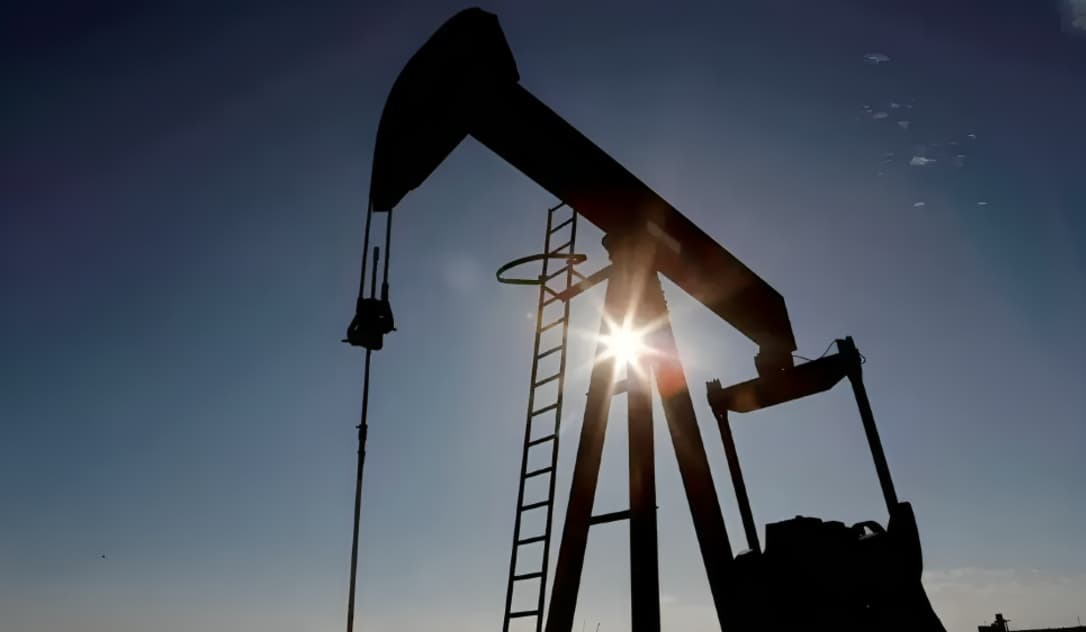

India’s wholesale price inflation has recorded a sharp increase, reaching a 42 month high of 8.3 percent in April 2026. The rise has been mainly attributed to higher fuel and energy costs, increased crude oil prices and rising manufacturing input expenses across multiple sectors.
According to economic analysts, the increase reflects sustained pressure in global commodity markets as well as domestic cost escalation in production and logistics. Energy prices, particularly fuel and power, have played a major role in pushing wholesale inflation higher during the month.
Wholesale inflation, measured by the Wholesale Price Index, tracks price changes at the factory gate level before goods reach retail markets. A rise in this index often indicates increasing production costs for industries, which may eventually be passed on to consumers in the form of higher retail prices.
The sharp rise in fuel and crude oil prices has significantly impacted transportation and industrial operations. Sectors such as manufacturing, chemicals, metals and logistics have reported higher input costs, contributing to the overall inflationary trend.
Economists note that global crude oil price fluctuations remain one of the key factors influencing inflation in India. As India imports a large portion of its energy requirements, any increase in international oil prices directly affects domestic wholesale pricing.
Manufacturing costs have also increased due to higher prices of raw materials, supply chain adjustments and currency fluctuations. These factors combined have added pressure on producers and distributors across industries.
Financial experts say the current inflation trend may influence future policy decisions by the central banking authority, particularly regarding interest rates and liquidity management. Central banks typically monitor wholesale inflation as an early indicator of price stability in the economy.
The increase in wholesale inflation comes at a time when global economic conditions remain uncertain, with many countries facing similar inflationary pressures due to energy market volatility and geopolitical developments.
India’s economy continues to show strong growth in several sectors, but rising inflation remains a concern for policymakers as it can impact purchasing power, business investment and overall economic stability.
Experts believe that if fuel prices remain elevated in global markets, wholesale inflation may continue to stay under pressure in the coming months. However, any stabilisation in crude oil prices or improvement in supply chains could help ease inflationary trends.
Food prices and agricultural inputs also play a role in wholesale inflation, although the latest surge has been largely driven by energy and manufacturing costs rather than food items.
Economists suggest that government measures such as supply chain improvements, fuel price stabilisation policies and strategic reserves management may help reduce inflationary pressure over time.
Market observers are closely monitoring upcoming economic data releases to assess whether the current inflation spike is temporary or part of a longer term trend.
While wholesale inflation does not directly reflect consumer retail prices, sustained increases often lead to broader inflationary impacts across the economy, affecting households, businesses and investment sentiment.
As India navigates global economic uncertainty, managing inflation while maintaining growth momentum remains a key policy challenge for authorities.