
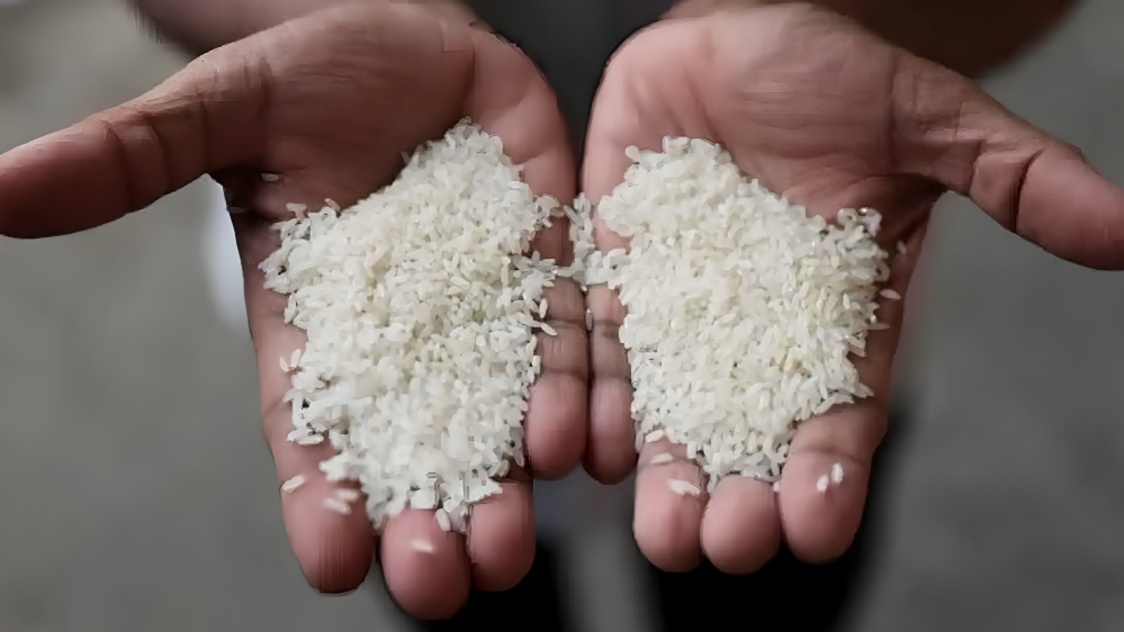
Rice prices in India are facing renewed upward pressure as geopolitical tensions in West Asia encourage countries to secure food supplies, while uneven rainfall and limited domestic availability add to market concerns. According to recent industry estimates, basmati rice prices have increased by around 15 to 20 percent in the first quarter of the financial year 2026-27 compared with the same period last year. Non-basmati rice prices have recorded an even sharper increase of approximately 20 to 25 percent.
The latest increase comes as buyers in the Gulf region step up efforts to secure food supplies. Rice is a major staple across several Gulf markets, and uncertainty surrounding shipping routes and regional supply chains has encouraged importers to maintain strong purchasing activity. Indian exporters are consequently seeing continued overseas demand despite logistical challenges linked to the ongoing conflict in the region.
The US-Iran conflict has added another layer of uncertainty to international commodity markets. Disruptions to shipping and concerns about energy supplies have affected transportation costs and global trade flows. Although rice prices are influenced by several factors, the current geopolitical situation has contributed to a broader effort by countries to secure essential food commodities.
Industry representatives have said that Gulf countries are buying significant quantities of rice from India. Strong demand from overseas markets is particularly important for basmati rice, which has a large customer base in West Asia. Saudi Arabia remains one of the major buyers of Indian basmati rice, while demand from other West Asian markets has also remained firm.
The increase is visible in both basmati and non-basmati varieties. Basmati rice, which is widely used for biryani and other dishes, has reportedly reached around Rs 100 per kilogram, compared with approximately Rs 85 per kilogram during the corresponding period last year. The increase represents a significant change for consumers and businesses that depend on the premium variety.
Non-basmati varieties have also become more expensive. Sona Masoori rice, for example, has reportedly increased from around Rs 51 to Rs 52 per kilogram last year to approximately Rs 63 to Rs 64 per kilogram. The rise reflects the combination of stronger demand and tighter availability in the domestic market.
Rainfall conditions are another important factor behind the current price movement. Parts of southern India have experienced deficient or uneven rainfall, affecting expectations about agricultural output and the availability of fresh supplies. Andhra Pradesh, Karnataka and Telangana are among the states where lower rainfall has contributed to concerns over rice availability, according to industry representatives.
The broader monsoon situation has also been challenging. India recorded a cumulative southwest monsoon rainfall deficit of about 14.7 percent by September 13, according to an analysis published by The Indian Express. The rainfall pattern has been uneven, with significant deficiencies recorded across several meteorological subdivisions. Such conditions can create uncertainty around crop yields and agricultural supply.
ICRA has similarly highlighted concerns surrounding deficient rainfall, El Niño conditions and crop output prospects. Its September assessment said rainfall during June to August stood at 86 percent of the long-period average, while higher temperatures and weather conditions posed risks to crop yields. These factors can influence food prices if production or market arrivals fall below expectations.
The timing of the next major crop arrival is therefore important for the rice market. Traders expect the new kharif crop to begin arriving more substantially during October and November. Until those supplies enter the market in sufficient quantities, prices could remain under pressure.
The domestic market is also being affected by government procurement and public distribution requirements. Industry representatives have pointed to government purchases as another factor contributing to tight availability in some markets. In Telangana, for example, non-basmati rice is being distributed through the public distribution system, adding to demand for available supplies.
India's position as one of the world's largest rice exporters means that international demand can have an impact on domestic market conditions. The country recorded exports of around 6.52 million tonnes of rice in financial year 2025-26, according to industry data cited in recent reports. Indian basmati has a particularly strong presence in Gulf and West Asian markets.
However, strong export demand does not necessarily mean that all rice shipments are moving smoothly. Shipping and payment disruptions along Gulf routes have created logistical challenges for exporters. These disruptions can slow the movement of rice even when overseas demand remains strong, creating uncertainty for both exporters and importers.
The current situation is therefore being driven by a combination of international demand, geopolitical uncertainty, weather conditions and domestic supply factors. It would be inaccurate to attribute the entire increase in Indian rice prices to the US-Iran conflict alone.
The conflict has nevertheless contributed to uncertainty in global trade. The Gulf region is particularly important for Indian agricultural exports, and disruptions to maritime routes can affect shipping costs, insurance expenses and delivery schedules. Any prolonged disruption could increase the cost of moving food commodities between India and West Asian markets.
Higher oil prices could also indirectly affect the agricultural supply chain. Recent geopolitical developments have pushed global crude prices above the USD 100 per barrel level, increasing concerns over transportation and production costs. India, as a major oil-importing country, can face wider inflationary pressures when energy prices remain elevated.
For consumers, the immediate concern is whether retail rice prices will continue to rise. Industry participants currently expect limited relief before the arrival of the new crop. If fresh supplies improve during October and November and overseas buying moderates, prices could begin to stabilise.
However, a prolonged period of strong Gulf demand could keep the market firm even after new crop arrivals begin. The final direction of prices will depend on the size and quality of the new harvest, domestic procurement, export demand and developments in the Gulf region.
The situation also highlights the importance of weather conditions for India's food economy. Even when overall agricultural production remains relatively strong, uneven rainfall can affect specific regions and crops, creating temporary supply shortages and price differences between markets.
For rice exporters, the current environment presents both opportunities and challenges. Strong overseas demand provides an opportunity to increase exports, particularly for basmati varieties. At the same time, higher domestic prices and shipping uncertainties can make it more difficult for exporters to manage costs and fulfil international orders.
For households, the impact could be felt through higher grocery bills if elevated prices continue for several months. Rice is a staple food for a large section of the Indian population, meaning sustained price increases can have a direct effect on household food budgets.
The coming weeks will therefore be important for the rice market. Traders and policymakers will closely monitor the arrival of the kharif crop, rainfall conditions, government procurement and international demand.
At present, market conditions suggest that rice prices are likely to remain firm in the near term. The expected arrival of fresh supplies in October and November could provide some relief, but the extent of any price correction will depend on both domestic production and the global demand environment.