
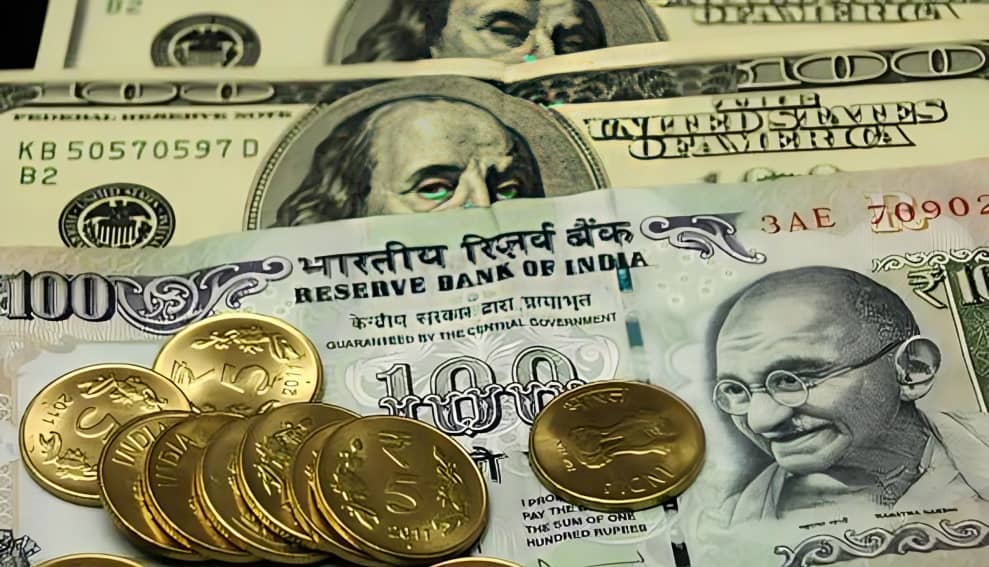
The Indian rupee has fallen to an all-time low, crossing the 90-per-dollar mark for the first time on Wednesday, trading at 90.14. This depreciation reflects multiple pressures on the domestic currency, including a strong US dollar, persistent foreign capital outflows, and limited intervention by the Reserve Bank of India (RBI). The uncertainty surrounding the India–US trade deal has also contributed to market apprehension.
Forex analysts point out that the rupee’s decline is part of a broader global trend where emerging market currencies have been under pressure due to the strengthening of the US dollar. A robust dollar increases the cost of imports for countries like India and often prompts foreign investors to withdraw capital in search of better returns, further weakening local currencies.
“The rupee has been weakening with the Government of India and the Reserve Bank of India wanting to support exporters, which may have kept the dollar well bid in recent days,” said Anil Kumar Bhansali, Head of Treasury and Executive Director, Finrex Treasury Advisors LLP. This strategy aims to maintain export competitiveness but comes at the cost of currency depreciation in the short term.
A weaker rupee has several implications for the Indian economy and individuals. Imported goods, including electronics, medical equipment, and machinery, may become more expensive, leading to higher retail prices. Similarly, EMIs for foreign-denominated loans could increase, placing additional financial pressure on borrowers. International travel and education expenses paid in foreign currency may also rise, affecting families and students planning to go abroad.
However, forex traders note that recent developments have helped curb an even steeper decline. A drop in crude oil prices and a weakening global dollar index provided some relief to the rupee. Oil imports account for a significant portion of India’s import bill, and lower crude prices can offset some pressure on the currency.
Market observers suggest that a stable macroeconomic policy, timely RBI interventions, and progress in the India–US trade negotiations are crucial for stabilizing the rupee. Investors and consumers are advised to remain vigilant about currency fluctuations, as volatility in the forex market can have both short-term and long-term economic consequences.
In the longer term, strengthening domestic economic fundamentals, increasing foreign exchange reserves, and promoting exports can help India manage currency fluctuations more effectively. Experts believe that a balanced approach combining forex interventions and structural reforms is necessary to protect the rupee against global shocks.
In conclusion, the Indian rupee’s fall past 90 against the US dollar marks a significant milestone in the currency markets. The depreciation is driven by a strong dollar, foreign fund outflows, and trade uncertainties. While this may impact prices, EMIs, and international travel, mitigating factors like lower crude oil prices offer temporary relief. Investors, businesses, and consumers are closely monitoring developments, hoping for policy measures that stabilize the currency and ensure economic resilience.


