
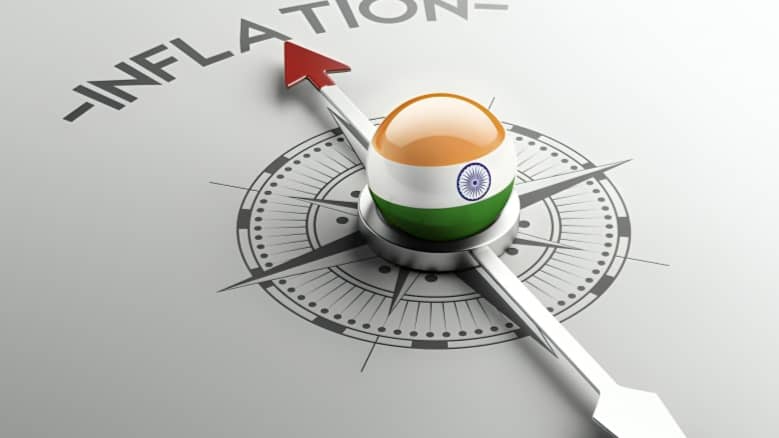
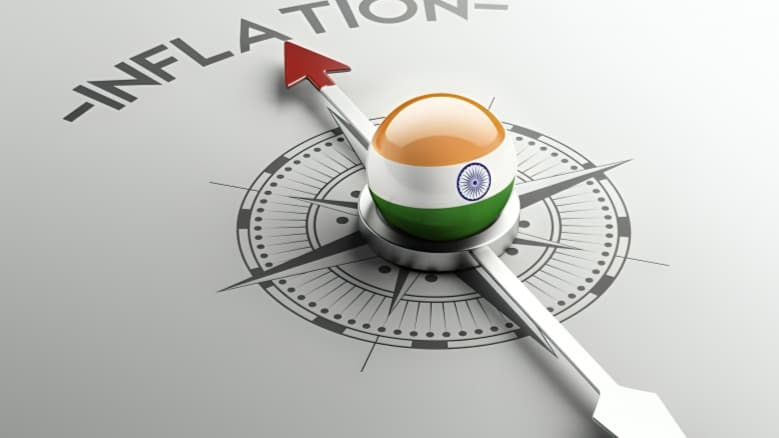
India’s inflation has recorded a historic low in recent reports, providing welcome relief to consumers, businesses, and policymakers. The decline, however, comes with a cautionary note, as analysts attribute part of the drop to the base effect. This statistical phenomenon occurs when high inflation in the previous year amplifies the apparent decline in year-on-year comparisons, masking the true trajectory of price movements.
The recent inflation data shows that food and fuel prices have eased in several segments, contributing to the headline reduction. Vegetables, pulses, and cooking oil prices have seen moderation, while energy prices have also stabilized due to lower global crude oil costs. These factors have directly impacted household expenditure, reducing the immediate financial burden on consumers.
Despite the decline in headline inflation, core inflation, which excludes volatile items such as food and fuel, remains a critical indicator. Economists emphasize that sustained price stability depends on monitoring core inflation trends, as these reflect structural pressures in the economy, including wage growth, supply chain challenges, and industrial production costs. Maintaining a balance between easing inflation and supporting economic growth remains a priority for policymakers.
The Reserve Bank of India (RBI) and government authorities have highlighted that the current low inflation provides an opportunity to encourage investment and consumption without triggering excessive price pressures. However, they also caution against overinterpreting short-term dips, noting that inflation dynamics can change rapidly due to external factors, seasonal trends, and global market volatility.
Analysts warn that while the current situation offers breathing space, prudent monetary and fiscal policy measures are necessary to ensure long-term price stability. Measures such as improving supply chain efficiency, monitoring demand-side pressures, and ensuring adequate liquidity management remain central to the government’s and RBI’s strategy.
The base effect is particularly significant in this context. Inflation comparisons are made with the corresponding period last year, which experienced unusually high price levels due to global economic disruptions and supply constraints. Consequently, even moderate price increases in the current year appear subdued in percentage terms. Understanding this effect is essential to avoid misinterpreting short-term gains as long-term trends.
In conclusion, India’s record low inflation brings temporary relief to consumers and businesses but is influenced by the base effect, making cautious interpretation necessary. While headline inflation shows promising signs, monitoring core inflation and structural economic indicators is essential for maintaining price stability. Policymakers aim to leverage this opportunity to support growth, manage liquidity, and implement measures that ensure sustainable economic stability. The coming months will be critical in assessing whether the decline reflects lasting improvements or is primarily a statistical artifact.


