
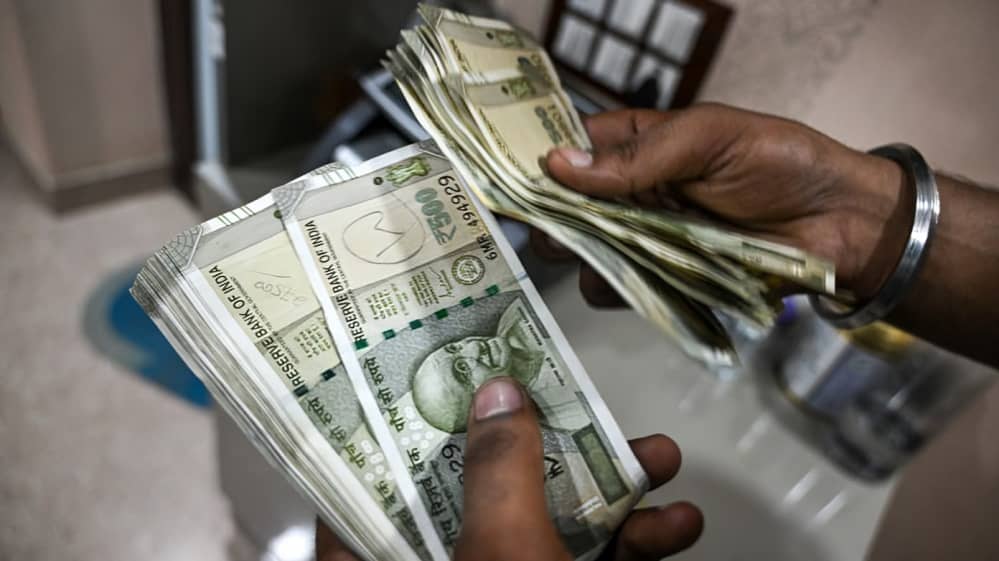
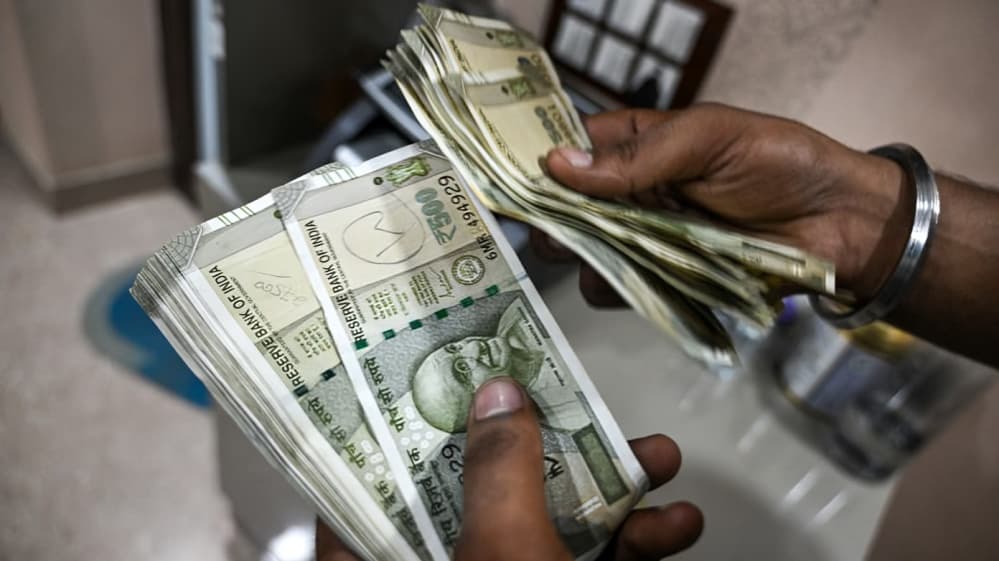
The Indian government and the Reserve Bank of India (RBI) are actively implementing measures to address the recent depreciation of the rupee against the US dollar. Currency fluctuations have created concerns for import-dependent sectors and investors, prompting authorities to adopt a multi-pronged approach to stabilize the domestic currency.
One of the primary tools being used is direct intervention in the foreign exchange market. The RBI has reportedly conducted strategic buying and selling of dollars to reduce excessive volatility in the rupee’s value. By adjusting supply and demand dynamics, authorities aim to prevent sharp swings that could affect import costs, inflation, and overall economic stability.
Policy adjustments are also part of the broader strategy. The government continues to monitor interest rates, trade balances, and capital flows to support currency stability. Encouraging foreign investments, including foreign direct investment (FDI) and portfolio inflows, is a key component of this approach. By attracting global capital, India can strengthen its foreign exchange reserves, which serve as a buffer against external shocks and speculative pressures on the rupee.
Macroeconomic fundamentals play a significant role in the strategy to stabilize the currency. Maintaining fiscal discipline, controlling inflation, and supporting economic growth are essential to ensure long-term confidence in the rupee. Analysts note that investor perception is influenced not only by market interventions but also by broader economic indicators, including industrial output, trade balances, and government policies.
Additionally, authorities are keeping a close watch on global developments, as international events, interest rate changes in major economies, and geopolitical tensions can significantly impact the rupee. Coordinating domestic measures with careful monitoring of external factors is critical to prevent sharp depreciation or sudden market shocks.
The strategy also emphasizes communication and market signaling. By clearly conveying intentions through official statements and policy guidance, the RBI and government aim to reduce speculative behavior and reassure investors about the stability of India’s financial system. Transparency in policy decisions helps maintain credibility and builds trust in both domestic and international markets.
Experts highlight that the current approach balances short-term interventions with long-term structural measures. While market operations address immediate fluctuations, initiatives to boost exports, attract foreign investments, and maintain macroeconomic health aim to strengthen the rupee over time. This dual approach is designed to protect India’s economic interests, control inflationary pressures, and support sustainable growth.
In conclusion, India’s strategy to halt the rupee’s decline involves a combination of foreign exchange interventions, macroeconomic management, policy adjustments, and proactive communication. By using a multi-faceted approach, authorities aim to stabilize the currency, maintain investor confidence, and ensure overall economic stability. These measures demonstrate the government’s commitment to safeguarding the rupee and supporting India’s long-term financial resilience amid global and domestic challenges.


