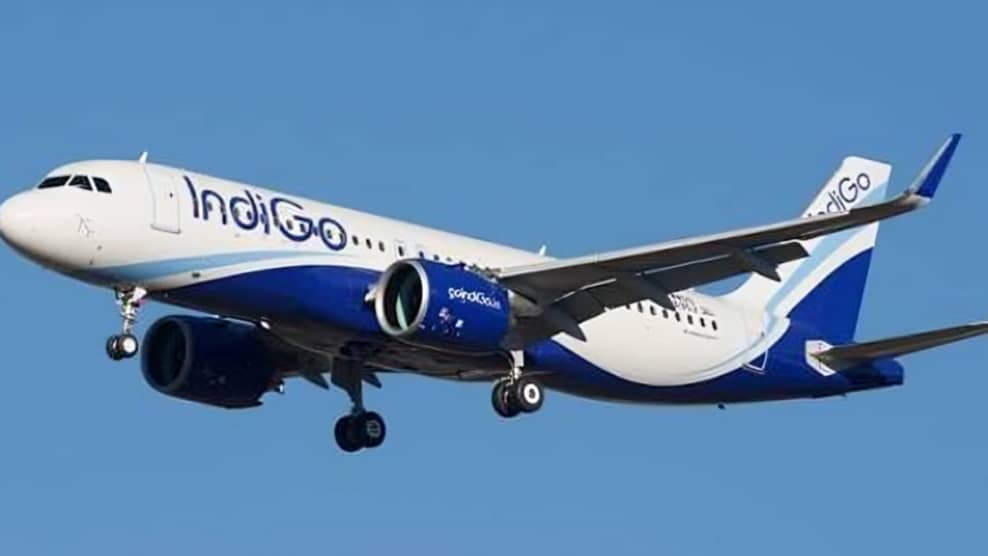
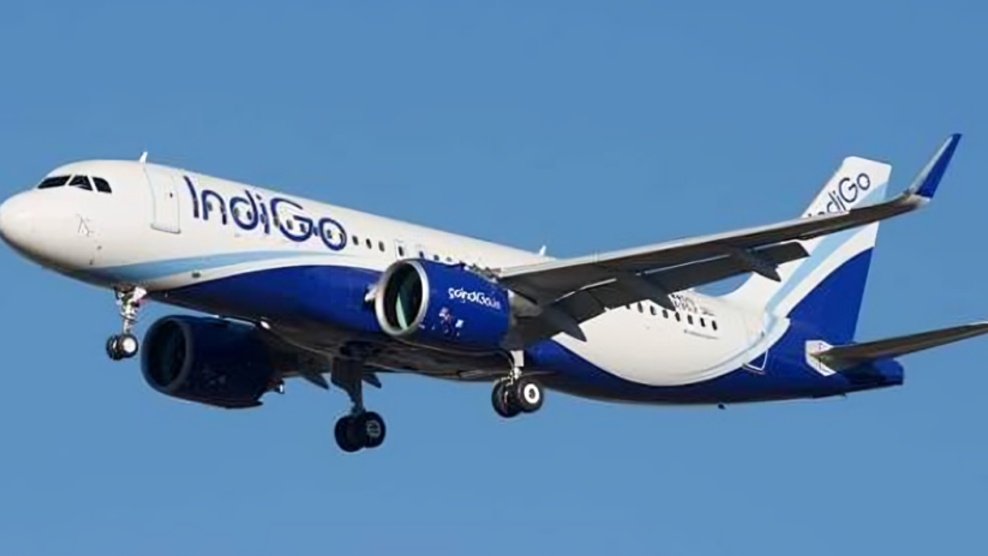
India's largest airline IndiGo has announced an increase in fuel charges for both domestic and international flights from October 6, 2026, as Aviation Turbine Fuel prices continue to rise. The revised charges will apply to all new bookings made from 12:01 am on October 6.
The latest decision is expected to make air travel more expensive for passengers booking IndiGo flights from October 6. However, tickets that were already booked before the revised charges came into effect will not be affected by the new fuel charge structure.
IndiGo said the decision was driven by the sustained increase in ATF prices. According to the airline, the latest month on month increase in fuel prices exceeded 14 percent, taking ATF costs to levels among the highest seen in the last decade.
Aviation Turbine Fuel is one of the largest operating expenses for airlines. Changes in jet fuel prices can therefore have a direct impact on airline costs, ticket pricing and the economics of operating different routes.
Under the revised domestic fuel charge structure, the amount will depend on the distance of the flight. For domestic flights covering up to 500 kilometres, the fuel charge will be Rs 375 per sector. Flights covering 501 to 1,000 kilometres will attract a charge of Rs 600.
For flights between 1,001 and 1,500 kilometres, the revised fuel charge will be Rs 900 per sector. Flights covering 1,501 to 2,000 kilometres will attract a charge of Rs 1,150. For domestic flights exceeding 2,000 kilometres, the fuel charge will rise to Rs 1,300 per sector.
This represents an increase over the fuel charge structure introduced by IndiGo in April. At that time, domestic fuel charges ranged from Rs 275 for flights up to 500 kilometres to Rs 950 for flights exceeding 2,000 kilometres.
The revised structure means that the increase varies according to the distance travelled. Shorter domestic flights will see a smaller additional charge, while passengers travelling on longer domestic routes will face a larger increase.
International passengers will also face revised fuel charges. The charges will vary according to the destination and distance. For SAARC routes, the charge will be Rs 1,000 for journeys up to 500 kilometres and Rs 3,000 for journeys exceeding 500 kilometres.
Flights to Southeast Asia, the Gulf and Middle Eastern countries, as well as North and East Asia, will attract a fuel charge of Rs 5,500. The charge for flights to Africa will be Rs 6,000, while flights to Europe will carry a fuel charge of Rs 10,000 under the revised structure.
The increase comes at a time when global energy markets are facing significant uncertainty. ATF prices have remained volatile in recent months, with geopolitical developments in the Middle East contributing to fluctuations in crude oil and aviation fuel prices.
IndiGo said the continuous increase in fuel prices has affected its cost structure and network economics. The airline said that because ATF represents a significant portion of airline operating expenses, the sustained increase in fuel costs has required it to recalibrate its fuel charges.
The airline described the latest adjustment as measured and relatively modest. IndiGo also said that fully offsetting the increase in fuel costs would require a substantially larger adjustment, but it chose to pass on only part of the additional burden to passengers.
The airline had introduced a fuel charge earlier in 2026 following a sharp increase in aviation fuel costs. It subsequently revised the charges in April after ATF prices rose significantly. The latest revision is another response to the continuing increase in fuel expenses.
The impact of higher fuel charges will extend beyond the additional amount shown separately on a ticket. Since aviation fuel is a major operating cost, airlines may also need to consider fuel expenses when determining overall fares, capacity and route economics.
For passengers, the most immediate impact will be on new bookings made from October 6. A passenger purchasing a new ticket after the effective time will see the applicable fuel charge included in the fare. The exact impact on the final ticket price will depend on the route, distance, fare category, taxes and other applicable charges.
Passengers who booked their tickets before the new fuel charges came into effect will not be required to pay the revised fuel charge simply because their travel date falls after October 6. The new structure applies to new bookings made from the specified effective time.
The latest increase also highlights the sensitivity of the airline industry to energy prices. When jet fuel becomes more expensive, airlines face higher costs for operating aircraft. Depending on market conditions, airlines may pass some of those costs on to passengers through fuel surcharges or higher fares.
The situation could also influence demand, particularly among price sensitive travellers. Higher fares may encourage some passengers to compare different airlines, adjust travel dates or consider alternative transportation for shorter journeys.
However, the overall movement in airfares will depend on several factors. Fuel prices are only one component of ticket pricing. Demand, aircraft availability, airport charges, competition, exchange rates, taxes and seasonal travel patterns can also influence fares.
IndiGo operates one of the largest domestic aviation networks in India and also has an expanding international network. Changes in fuel costs can therefore have a significant impact across a wide range of routes.
The airline said it will continue to monitor fuel prices and the broader operating environment. It also indicated that further adjustments could be made depending on how market conditions develop.
The latest fuel charge revision comes after a period of significant volatility in the aviation sector. Geopolitical tensions and changes in global energy prices have created uncertainty for airlines, while carriers are also dealing with changing passenger demand and operating costs.
The increase in ATF prices is particularly important for Indian airlines because fuel constitutes a substantial portion of their operating expenditure. A prolonged period of elevated fuel prices can put pressure on airline profitability if higher costs cannot be fully passed on to passengers.
For travellers, the key takeaway is that IndiGo tickets booked from October 6 will carry revised fuel charges. Domestic passengers will see charges ranging from Rs 375 to Rs 1,300 depending on distance, while international passengers will pay charges based on their destination category.
The latest move does not necessarily mean that every IndiGo ticket will rise by the same amount. The additional fuel charge varies according to route and is only one component of the final airfare.
Overall, IndiGo's decision reflects the continuing pressure from higher aviation fuel costs. With ATF prices having risen sharply in recent months, the airline has opted to revise its fuel charges across domestic and international operations. Passengers planning to travel after October 6 are therefore likely to see higher ticket costs when making new bookings, although the final fare will depend on the route and other pricing factors.