
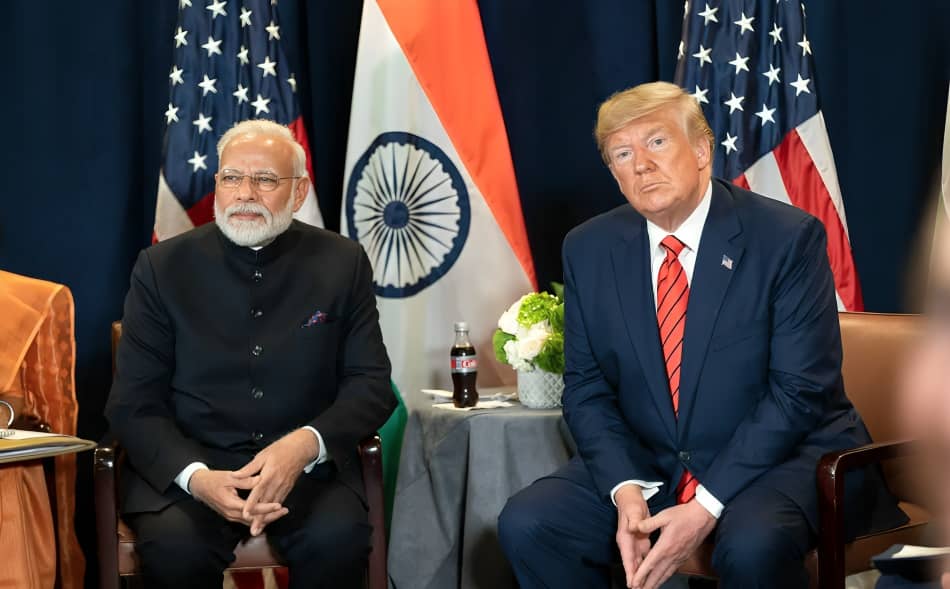
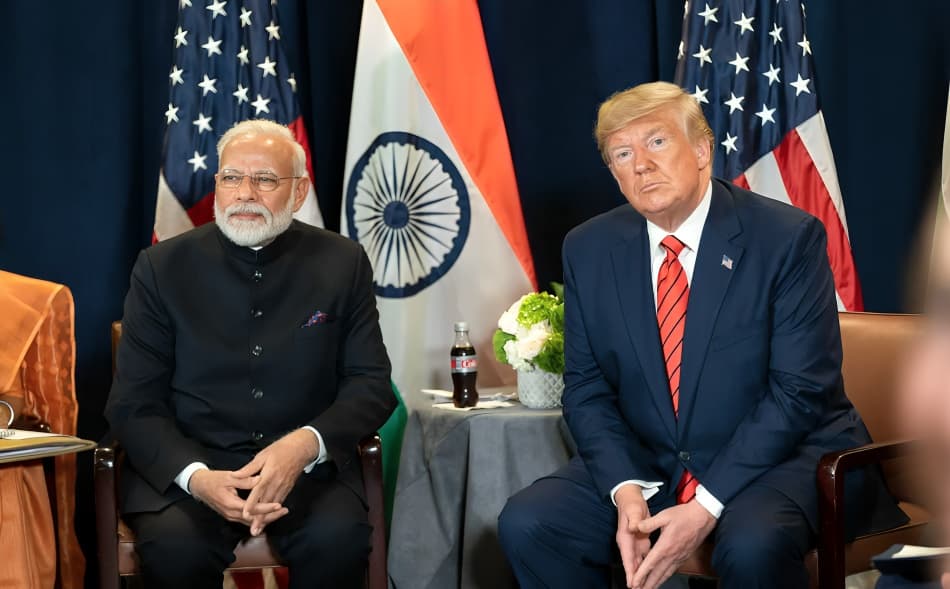
India and the United States have reached an understanding on an interim trade agreement that is expected to significantly enhance bilateral trade and strengthen economic ties between the two countries. According to a joint statement issued by both governments, the agreement provides a framework under which import duties on a wide range of goods will be reduced by both sides to encourage two-way trade.
As part of the agreement, the United States will lower tariffs on several Indian products, reducing duties to 18 percent from earlier higher levels. India, in return, has agreed to eliminate or substantially reduce import duties on all US industrial goods, along with a broad range of American food and agricultural products. This reciprocal approach is aimed at creating a more balanced and open trade environment.
One of the most significant aspects of the agreement is the decision to reduce tariffs to zero on a wide range of Indian exports. These include generic pharmaceuticals, gems and diamonds, aircraft components, and other key manufactured goods. The removal of these duties is expected to enhance India’s export competitiveness in the US market and support the growth of high-value industries.
Trade experts believe the agreement positions India as one of the most attractive manufacturing and export destinations in the region. With reduced trade barriers, global supply chains are expected to gradually realign toward markets that offer cost efficiency, scale, and policy stability. India is likely to benefit from increased manufacturing activity, higher service exports, and stronger integration into global trade networks.
Reacting to the development, Prime Minister Narendra Modi stated that the interim trade pact would strengthen the Make in India initiative by opening new opportunities for farmers, small businesses, and entrepreneurs. He also highlighted the agreement’s potential to create employment, particularly for women and young people, while boosting domestic production.
Indian exporters have already demonstrated resilience by identifying new markets and expanding product lines even when higher tariffs were in place. With tariff reductions now underway and further cuts expected in the coming months, exporters are optimistic about a sharp rise in shipments to the US. Industry leaders anticipate a strong growth phase for Indian exports over the next few months.
The agreement is also expected to complement India’s ongoing trade negotiations with other global partners. Experts suggest that as additional trade deals come into effect, India’s exports could see sustained growth in the medium term, supported by improved market access and competitive pricing.
The United States remains India’s largest trading partner in goods. During recent years, the US accounted for a significant share of India’s exports and bilateral trade. In the last financial year, total trade between the two countries reached approximately 186 billion dollars, underlining the strategic importance of the relationship.
Overall, the interim trade agreement marks a key step toward deeper economic cooperation between India and the United States. By lowering trade barriers and expanding market access, the pact is expected to drive exports, attract investment, and support India’s long-term growth ambitions.


