Amid escalating tensions with the US and Israel, Iran has managed to convert a challenging geopolitical situation into a source of significant revenue through its oil exports. The Strait of Hormuz, a critical chokepoint for global oil trade, has been at the center of recent conflicts, yet Iran’s crude shipments have remained remarkably steady, averaging around 1.6 million barrels per day.
International observers note that while many countries face disruptions due to regional instability, Iran has capitalized on higher global oil prices to maintain and even increase earnings. Analysts estimate that daily revenues from crude exports could be running into hundreds of millions of dollars, providing a substantial inflow to the country’s economy despite sanctions and political pressures.
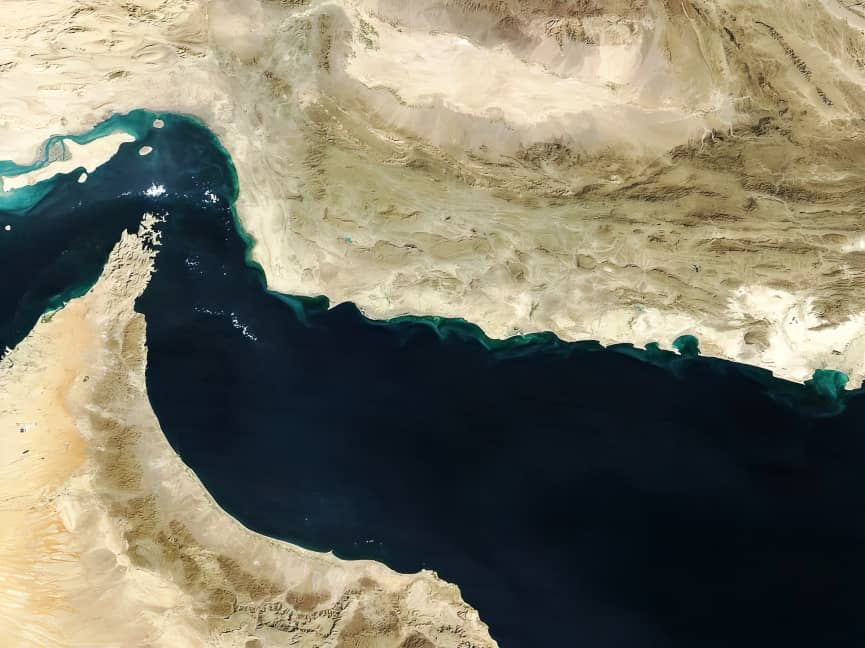
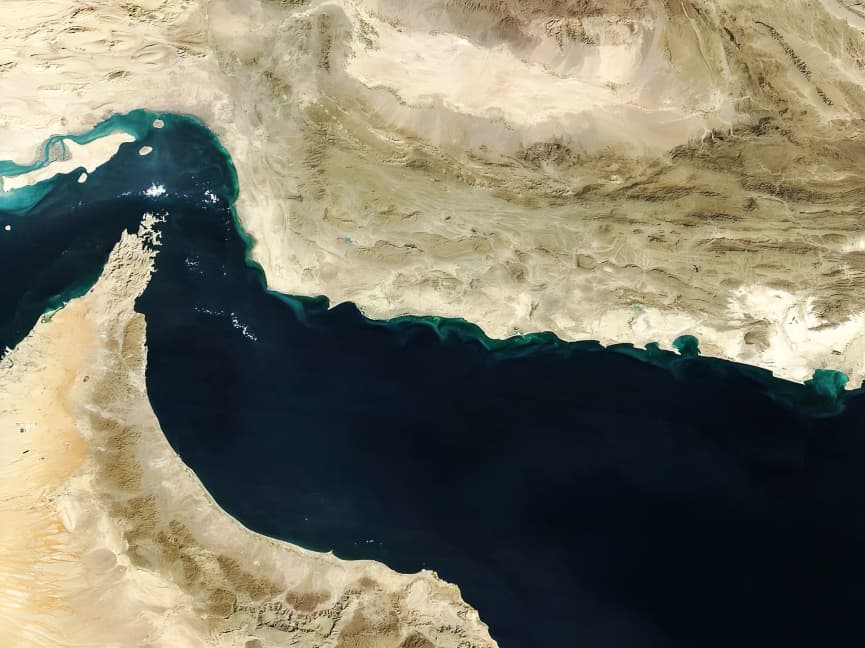
The Strait of Hormuz is strategically important, as nearly a fifth of the world’s oil passes through this narrow waterway. Any blockade or disruption has far-reaching consequences for global energy markets. In Iran’s case, its ability to maintain exports while tensions rise reflects both strategic planning and reliance on established trading partners.
Iran’s crude oil pricing strategy has also played a role in sustaining demand. Amid rising global energy costs, the country has leveraged long-term contracts and opportunistic spot sales to countries willing to pay premium prices. This approach has allowed it to mitigate the impact of sanctions and maintain consistent revenue streams.
Experts note that the situation presents a paradox: while the geopolitical conflict poses a risk to regional stability, it simultaneously boosts Iran’s income from oil sales. With global markets seeking secure sources of energy, buyers are often willing to pay higher prices, indirectly benefiting Iranian exports.
Additionally, Iran has used alternative shipping routes, insurance mechanisms, and discreet logistical channels to ensure that oil continues to reach buyers without major disruption. This logistical ingenuity underscores how the country balances risk and revenue generation during tense international situations.
Despite the financial gains, analysts caution that the broader economic and political implications remain complex. Heightened tensions can escalate, potentially affecting shipping insurance, oil prices, and global supply chains. Iran’s ability to sustain earnings is tied closely to managing these risks effectively.
In conclusion, Iran’s crude oil exports have emerged as a significant revenue source amid geopolitical conflict. By maintaining daily shipments of approximately 1.6 million barrels, the country benefits from rising global prices and strategic trade relationships. The Strait of Hormuz remains central to this dynamic, highlighting the intricate link between regional tensions and global energy economics.