Nirmala Sitharaman Chairs 30th FSDC Meeting in Delhi With RBI Governor and Financial Regulators
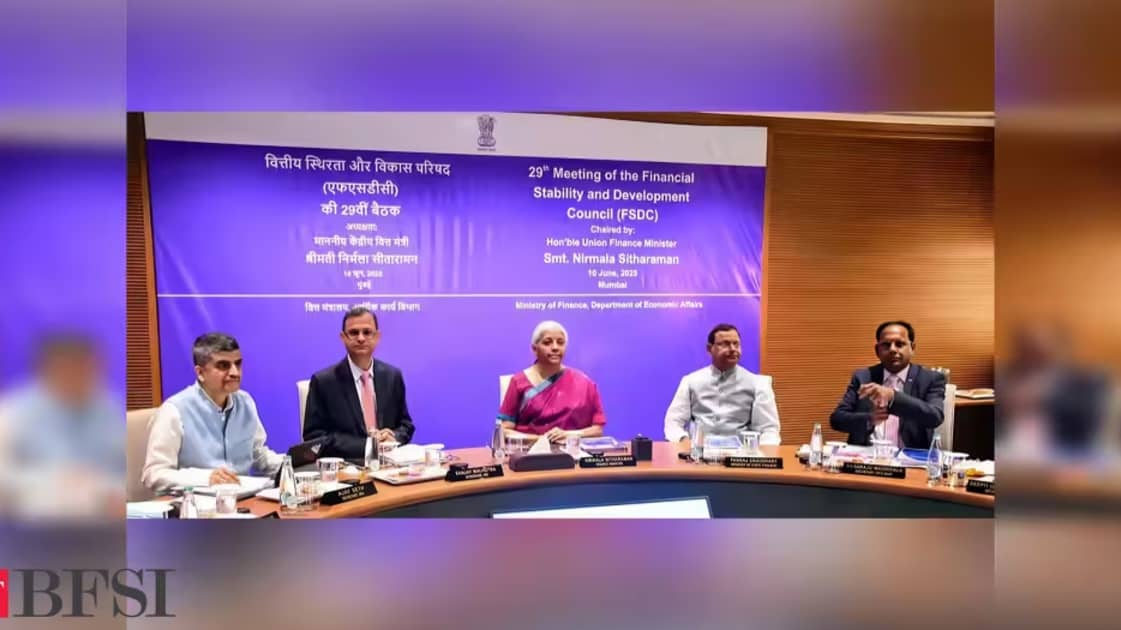
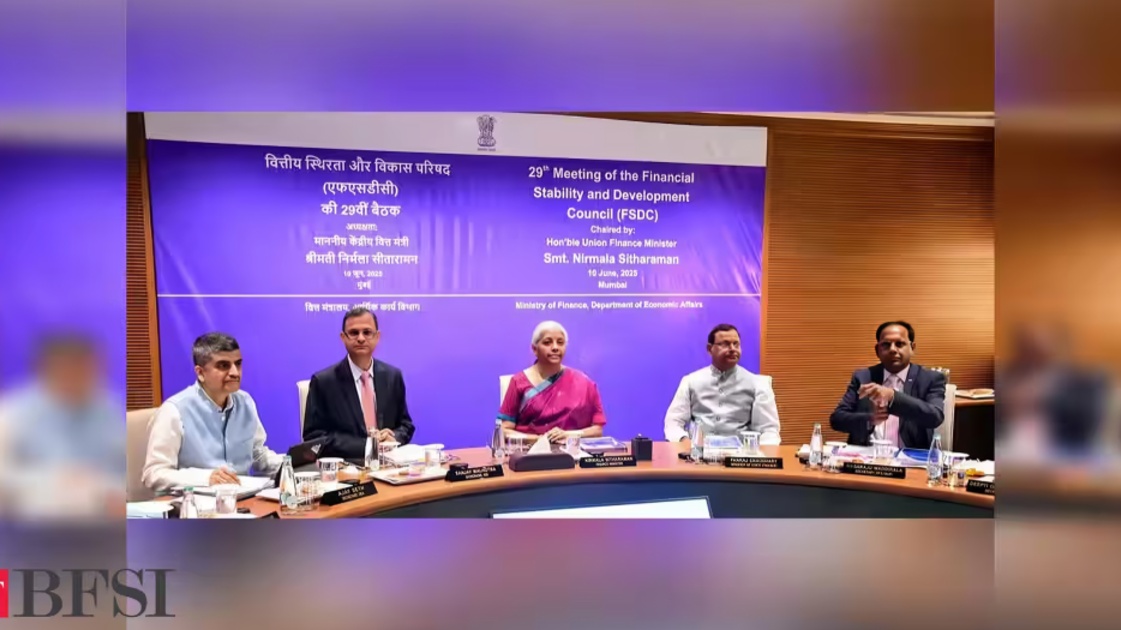
Union Finance Minister Nirmala Sitharaman chaired the 30th meeting of the Financial Stability and Development Council (FSDC) in New Delhi on October 23, 2026. The meeting brought together the Reserve Bank of India (RBI) Governor, heads of major financial sector regulators and senior government officials to discuss matters concerning India's financial system.
According to information released by the Ministry of Finance, the meeting was attended by senior representatives from several government departments and regulatory institutions. The participants included officials responsible for banking, capital markets, insurance, pensions and other areas of financial regulation.
Senior Financial Officials Attend the Meeting
The meeting was attended by the RBI Governor and chairpersons of key financial regulatory bodies, including the Securities and Exchange Board of India (SEBI), the Insurance Regulatory and Development Authority of India (IRDAI), the International Financial Services Centres Authority (IFSCA), the Pension Fund Regulatory and Development Authority (PFRDA) and the Insolvency and Bankruptcy Board of India (IBBI).
Senior officials from the Department of Economic Affairs, Department of Revenue and Department of Financial Services also participated. The Chief Economic Adviser to the Government of India and representatives from the Ministry of Electronics and Information Technology and the Indian Computer Emergency Response Team (CERT-In) were also present.
The participation of these institutions reflects the broad responsibilities involved in maintaining a stable financial system. Different regulators oversee different parts of the sector, making coordination important when financial risks or regulatory issues affect multiple areas.
What Is the Financial Stability and Development Council?
The Financial Stability and Development Council is India's apex-level forum for discussions on financial stability and financial sector development. Established by the government in 2010, the council provides a platform for coordination among financial regulators and relevant government departments.
The Union Finance Minister chairs the council, while its membership includes the RBI Governor, senior Finance Ministry officials and the heads of major financial regulatory authorities.
The FSDC's responsibilities extend beyond monitoring financial stability. Its mandate includes financial inclusion, financial literacy, macroprudential supervision and coordination on issues affecting the wider financial sector.
The council also considers matters relating to large financial conglomerates and the potential risks that developments in one part of the financial system could create for other institutions or markets.
Why Coordination Among Regulators Matters
India's financial system includes banks, securities markets, insurance providers, pension institutions and other financial organisations. These sectors operate under different regulatory frameworks, but their activities can be closely connected.
Coordination among regulators helps authorities identify emerging risks, exchange information and consider consistent approaches to common challenges. It can also support the implementation of financial sector policies and help strengthen confidence in the system.
The FSDC provides a forum for senior policymakers and regulators to discuss these issues collectively. A subcommittee chaired by the RBI Governor also examines financial stability and regulatory coordination matters and follows up on relevant decisions.
Focus on Financial Stability and Development
Financial stability is important for maintaining public confidence, supporting investment and ensuring that financial institutions can continue providing services during changing economic conditions. Regulatory coordination is particularly relevant when domestic or international developments create new risks for markets and institutions.
The council's wider mandate also includes promoting financial inclusion and literacy, helping more people understand and access financial services. Its discussions can cover issues referred by members that relate to the stability and development of India's financial sector.
Details of the specific decisions or policy announcements made at the 30th meeting should be confirmed through an official meeting statement before being reported as outcomes.
Significance of the 30th Meeting
The 30th FSDC meeting brought senior government officials and financial regulators together under the leadership of the Union Finance Minister. Their participation highlighted the importance of cooperation between institutions responsible for overseeing different parts of India's financial system.
As the economy and financial markets evolve, the council remains an important platform for discussing risks, improving regulatory coordination and supporting the long-term development of the financial sector.