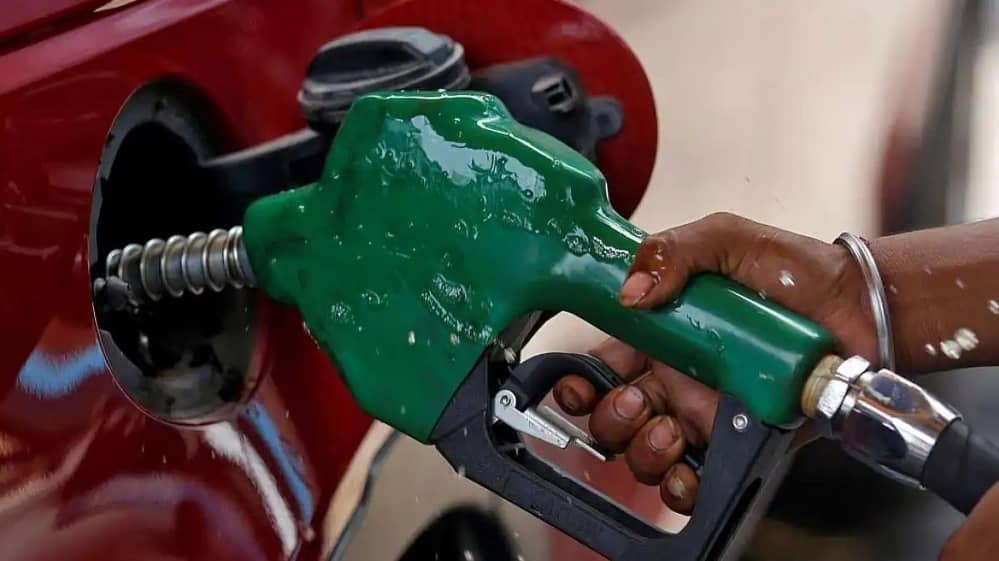
Oil marketing companies in India are currently facing financial pressure as they continue efforts to maintain stable fuel prices despite fluctuations in global crude oil markets. Reports indicate that these companies are incurring substantial daily losses in order to prevent a rise in retail fuel prices.
Fuel prices in India are influenced by several factors, including international crude oil prices, exchange rates, and domestic taxation. In recent times, global crude oil prices have shown an upward trend due to geopolitical developments and supply concerns. However, retail fuel prices in India have remained relatively stable, leading to a gap between cost and selling price.
To manage this gap, oil marketing companies have been absorbing the additional costs. This approach helps shield consumers from sudden price increases but places a financial burden on the companies involved. Sustaining such losses over a long period can affect their overall financial health and operational capacity.
The decision to keep fuel prices stable is often linked to broader economic considerations. Fuel prices have a direct impact on transportation costs, inflation, and overall economic activity. By maintaining price stability, authorities aim to control inflationary pressures and support economic stability.
However, experts have raised concerns about the long term sustainability of this approach. Continuous losses could limit the ability of oil marketing companies to invest in infrastructure, modernization, and expansion. It may also affect their profitability and balance sheets.
Another factor to consider is the potential impact on future pricing decisions. If losses continue to accumulate, companies may eventually need to adjust fuel prices to align with market conditions. Such adjustments could lead to an increase in retail prices, affecting consumers and businesses.
The situation also highlights the complex relationship between global markets and domestic pricing policies. Changes in international crude oil prices can have immediate implications for domestic markets, requiring careful management to balance economic and social considerations.
In addition to financial challenges, oil marketing companies must also navigate operational requirements such as ensuring adequate supply and maintaining distribution networks. These responsibilities add to the overall cost structure, making it important to manage resources efficiently.
Policymakers and industry stakeholders are likely to monitor the situation closely. Measures may be considered to address the financial strain while ensuring that fuel prices remain stable and affordable. This could involve adjustments in pricing mechanisms or other policy interventions.
The current scenario underscores the importance of maintaining a balance between protecting consumers and ensuring the financial viability of companies. While stable fuel prices provide short term relief, long term sustainability remains a key concern.
As global and domestic conditions evolve, the approach to fuel pricing may also change. The focus will be on finding solutions that support both economic stability and the operational health of oil marketing companies.