
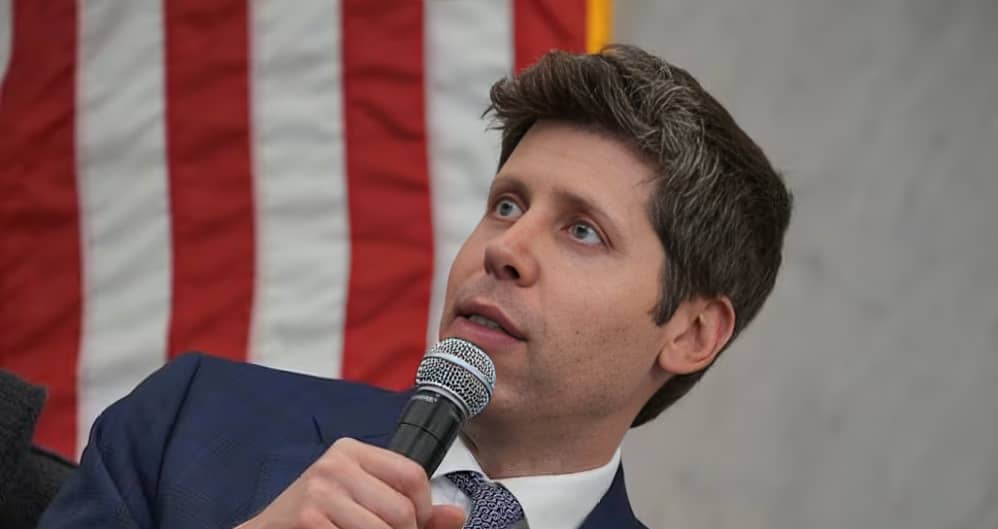

Sam Altman, chief executive officer of OpenAI, has announced that the company has finalized an agreement with the United States Department of War to deploy its artificial intelligence models within the department’s classified digital infrastructure. The announcement was made through a post on X, where Altman confirmed that the partnership would enable integration of OpenAI systems into secure government networks.
The agreement comes at a time of heightened policy discussions in Washington related to artificial intelligence adoption within federal agencies. Recent directives from Donald Trump have reportedly instructed government departments to halt the use of AI systems developed by Anthropic, citing administrative considerations. This broader policy environment has placed major AI developers under increased public and regulatory scrutiny.
According to Altman’s statement, discussions with the Department of War emphasized safety standards, responsible deployment and compliance with existing government protocols. He indicated that the department demonstrated a structured approach to evaluating the operational integration of advanced AI tools in sensitive environments.
The integration of AI models into classified networks represents a significant milestone in government technology modernization efforts. Federal agencies have increasingly explored artificial intelligence applications for data analysis, logistics planning and cybersecurity monitoring. The deployment of AI in secure settings typically involves extensive review processes to ensure reliability and data protection.
OpenAI has previously outlined principles related to safety testing and alignment of AI systems before large scale deployment. The company has engaged in conversations with policymakers and regulators regarding ethical safeguards and operational transparency. Industry observers note that government partnerships often require enhanced compliance measures beyond standard commercial use cases.
The reported directive concerning Anthropic’s AI systems has added complexity to the competitive landscape among leading artificial intelligence firms. While Anthropic remains active in the private sector, shifts in federal procurement policies can influence market dynamics and long term strategic positioning.
Technology analysts suggest that partnerships between AI developers and government institutions are likely to expand in the coming years, particularly as agencies seek advanced analytical tools. However, such agreements are typically subject to oversight mechanisms and security clearances due to the classified nature of government networks.
OpenAI’s agreement with the Department of War may also prompt further dialogue regarding regulatory frameworks and oversight standards for AI in defense and national security contexts. Experts emphasize that maintaining safeguards and accountability will remain central to public confidence in these technologies.
As artificial intelligence continues to shape public sector operations, collaboration between technology firms and federal agencies is expected to evolve. The latest agreement underscores the growing intersection of AI innovation and government infrastructure within the United States.


